
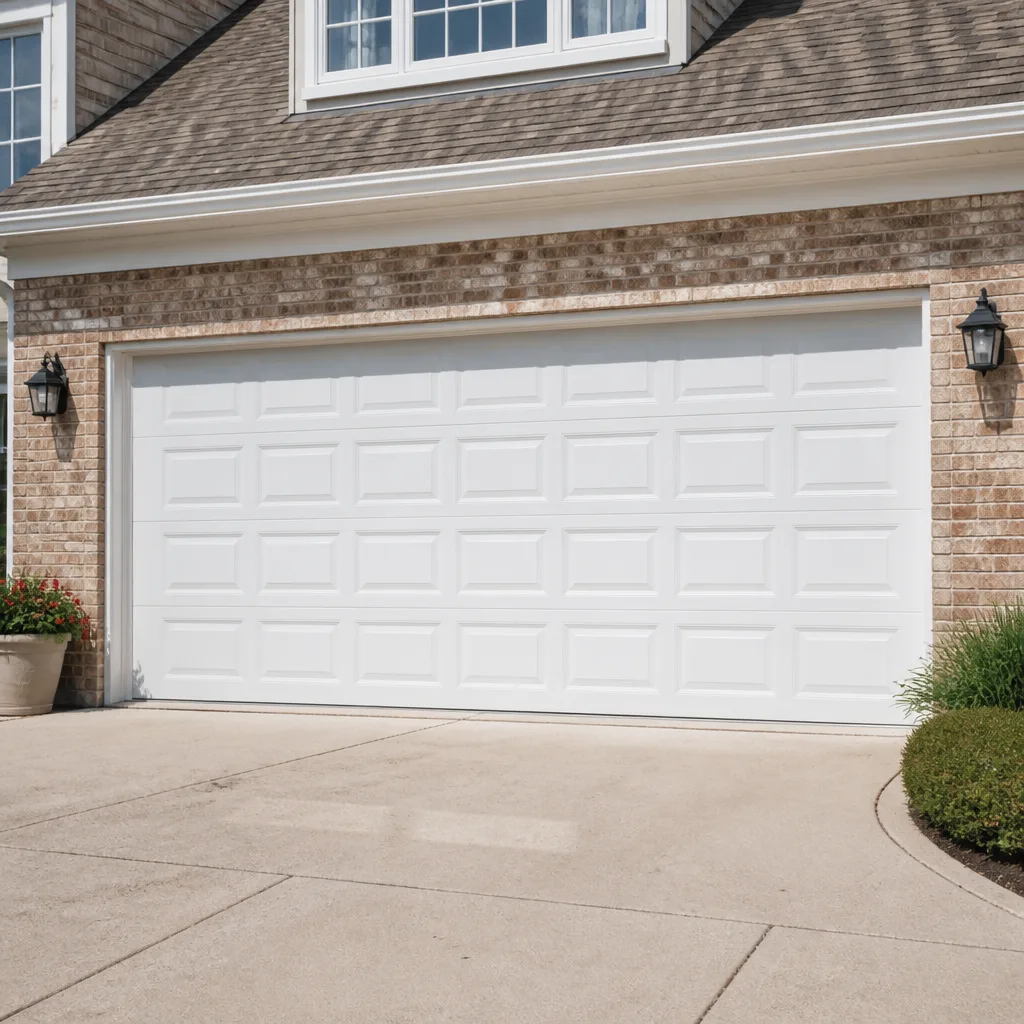
 Raised-panel steel
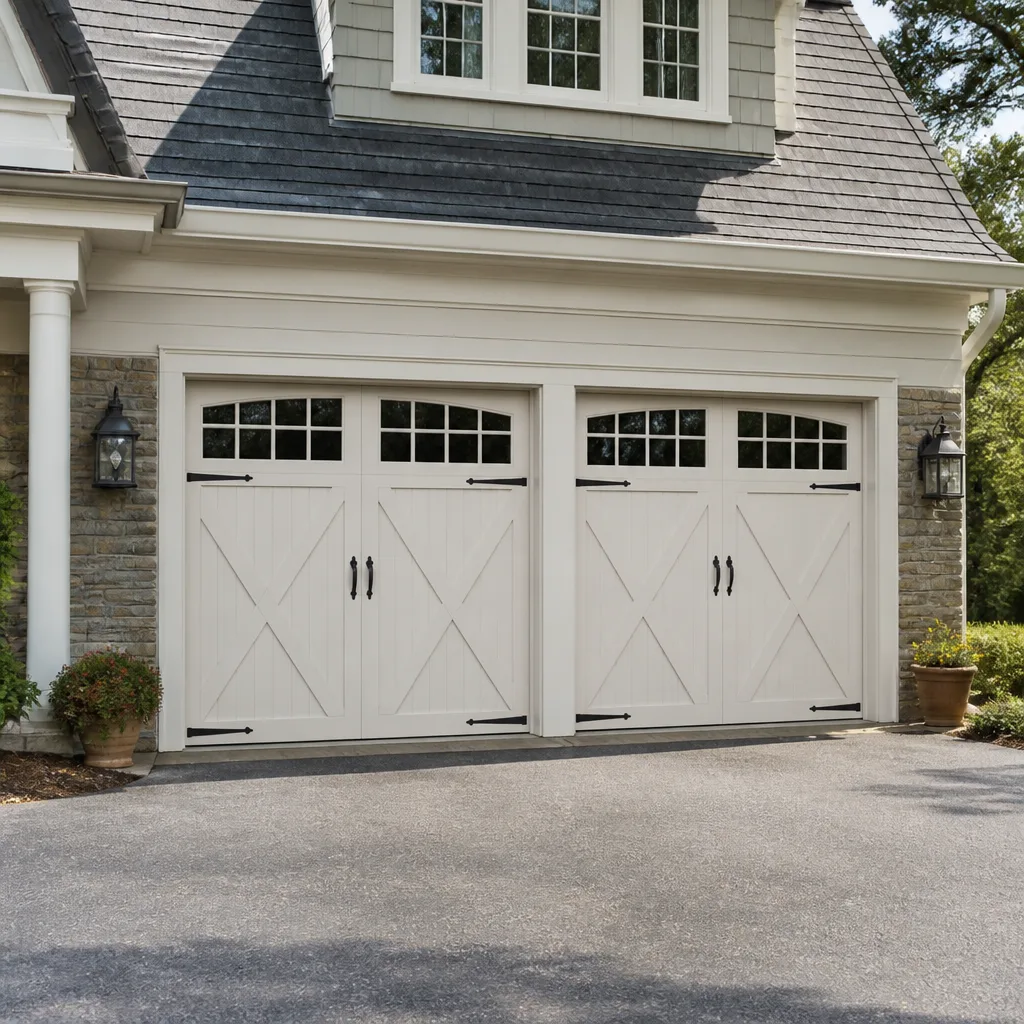 Carriage house
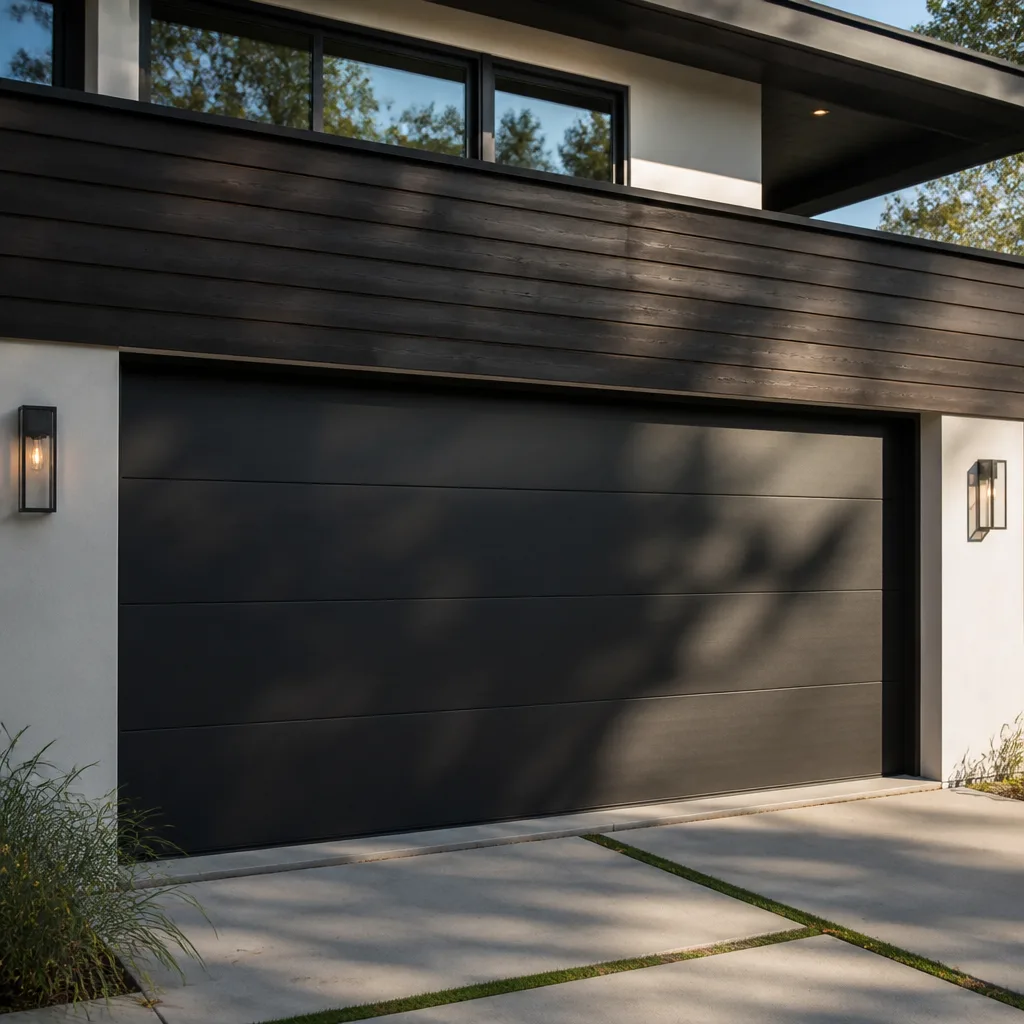 Modern flush
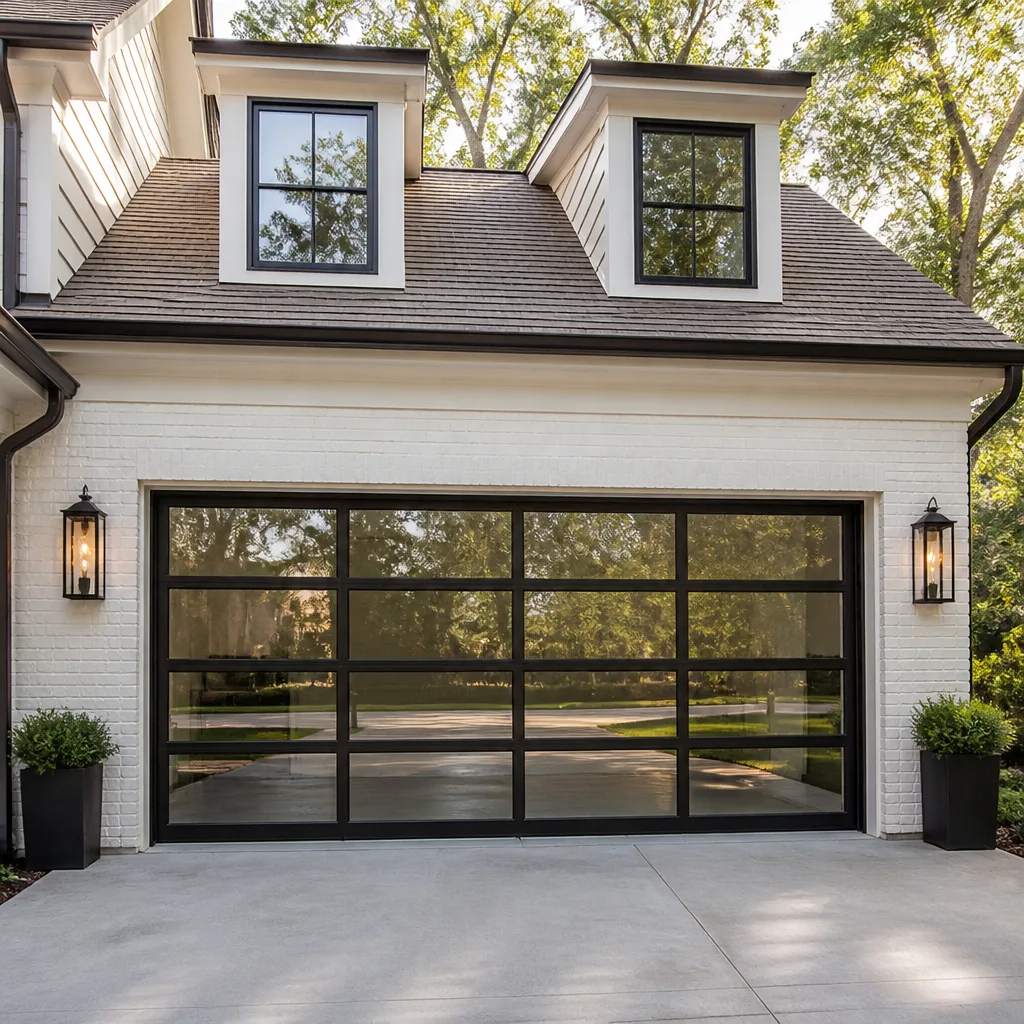 Full-view glass
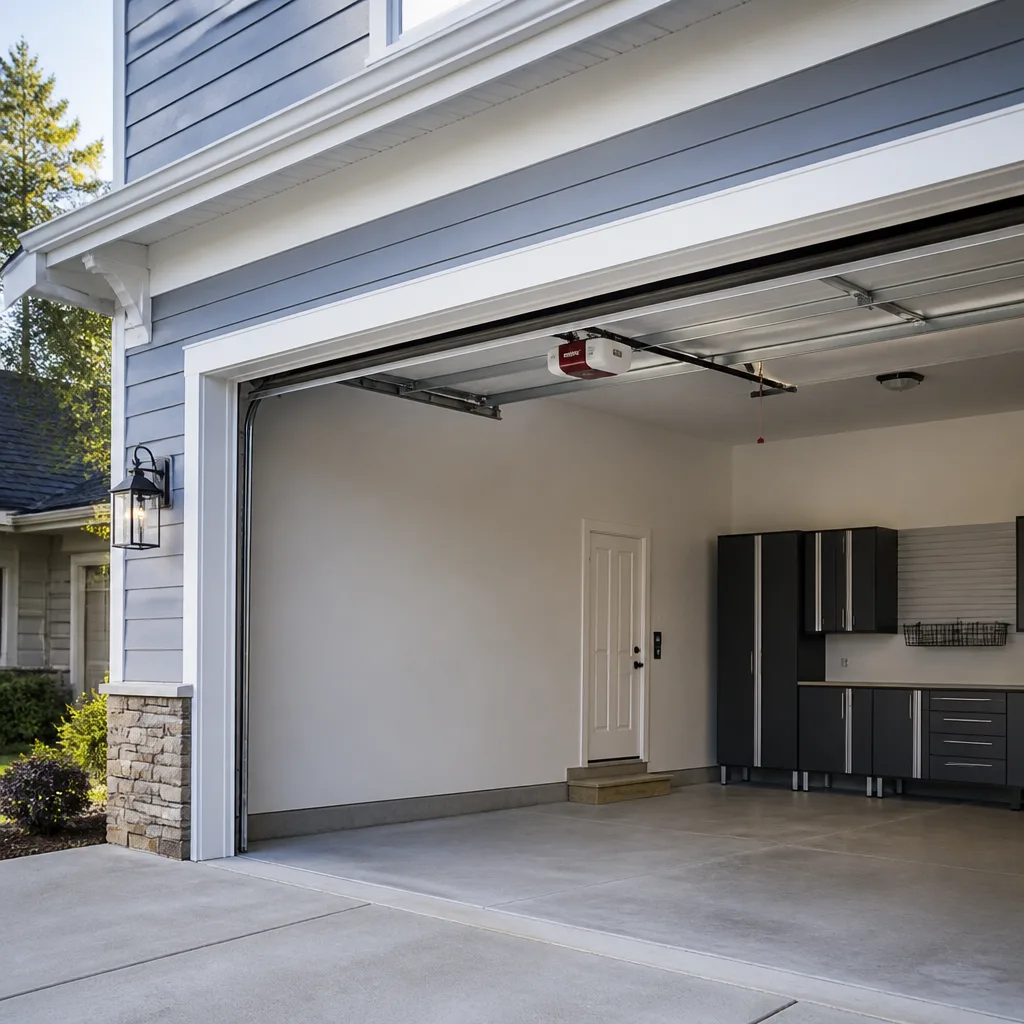 LiftMaster openers
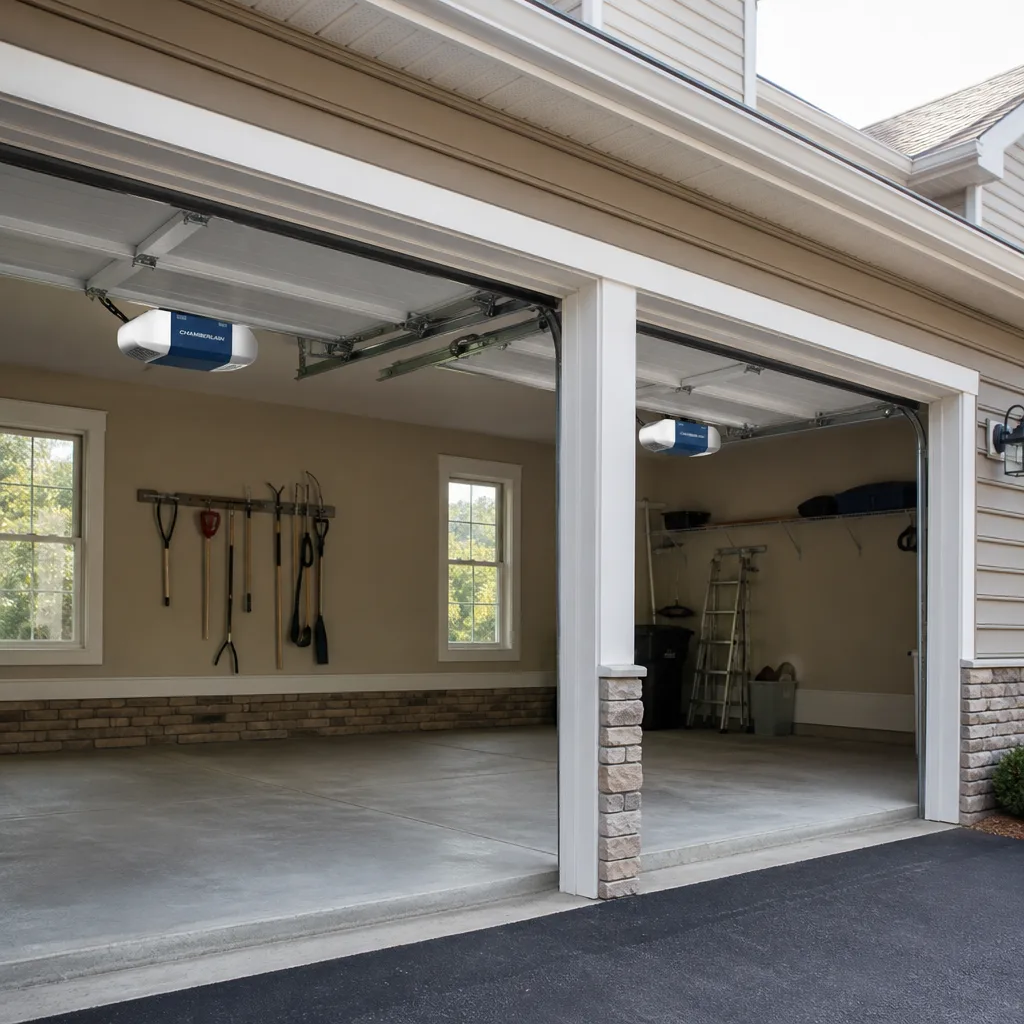 Chamberlain openers
Full 25-point door and opener safety check with every visit - springs, cables, rollers, tracks, and your LiftMaster or Chamberlain opener included
You get a price before we start. It does not change when the truck arrives.
Get your free estimateRaynor Weather Seal Replacement: The Fort Worth Owner’s Guide
If your Raynor garage door has a torn, flattened, or missing bottom weather seal, we stock and install replacement seals for most Raynor residential models, with installed pricing in Fort Worth typically running $85 – $150 depending on door width and seal type. Most Raynor weather seal replacements are done same-day because we carry common sizes on the truck. You’ll usually discover this part has failed the hard way: daylight sneaking under the closed door, water pooling in the garage after a Texas downpour, or a rodent that found the gap before you did.

Weather seal failure sneaks up on people. The rubber looks fine from the driveway, but it’s been slowly compressing, cracking, and losing its rebound for months. Then one morning you notice leaves blown in from a north wind, or worse, the garage floor stays wet after every storm. That’s the seal telling you it’s done.
Which Raynor Models This Applies To
Raynor uses a T-style bottom seal retainer on most residential doors built after the mid-1990s, including their popular ProView, Pilot, and Aspen series lines. The T-channel slides into an aluminum or steel retainer mounted to the bottom of the door panel. Older Raynor doors, especially those from the 1980s and earlier, may use a U-shaped astragal or a bulb-style seal, which requires a different replacement profile entirely.
The practical way to identify what you need: look at the bottom edge of your door when it’s open. If you see a metal channel with a rubber strip hanging from it, that’s a T-seal. If the rubber wraps around the bottom edge of the door itself, it’s a U-style. Snap a photo of the bottom edge and the door’s model sticker if you can find it (often on the top panel or near the hinge), and bring both to the call. That two-minute check saves a wasted trip and a wrong part in the driveway.
One compatibility gotcha we see regularly in Fort Worth: Raynor’s thicker commercial-grade doors, like those on some mid-century homes and newer carriage-house builds near Arlington Heights, use a wider T-channel than the residential standard. If someone installs a generic 1/4-inch T-seal in a 5/16-inch channel, the seal will sag and pull out within weeks. We measure the channel on-site before installation, because guessing is how you get a seal that fails in month two.
We’re an independent service provider, not affiliated with Raynor, but Raynor is one of the eight major brands our technicians are trained on, alongside LiftMaster, Chamberlain, Genie, and others. That training matters when it comes to matching the right profile to the right door, especially on older or modified setups.
Styles & brands we work with
Signs Your Raynor Weather Seal Replacement Is Failing
- Visible daylight under the closed door. The rubber has compressed past the point of springback. Uneven floors or settling concrete in Fort Worth’s clay soil can make this worse, but a flat, hard seal is the root cause.
- Water pooling at the garage door track edge after rain. The seal isn’t making contact with the slab, so water follows the path of least resistance straight inside. This is the failure we see most after spring and fall storms in Tarrant County.
- The rubber feels stiff, brittle, or cracks when you bend it. Texas heat cooks rubber. If the seal feels like hard plastic instead of pliable rubber, it’s lost its flex and can’t conform to the floor anymore.
- Mice, roaches, or leaf litter showing up inside the garage. A worn weather seal leaves a gap wide enough for critters and debris. In neighborhoods near parks or creeks, this is often the first sign people notice.
- Cold drafts in winter or dust accumulating quickly. A seal that’s split or flattened lets air and dirt move freely. You’ll see a line of dust near the bottom of the door that comes back days after sweeping.
See the difference
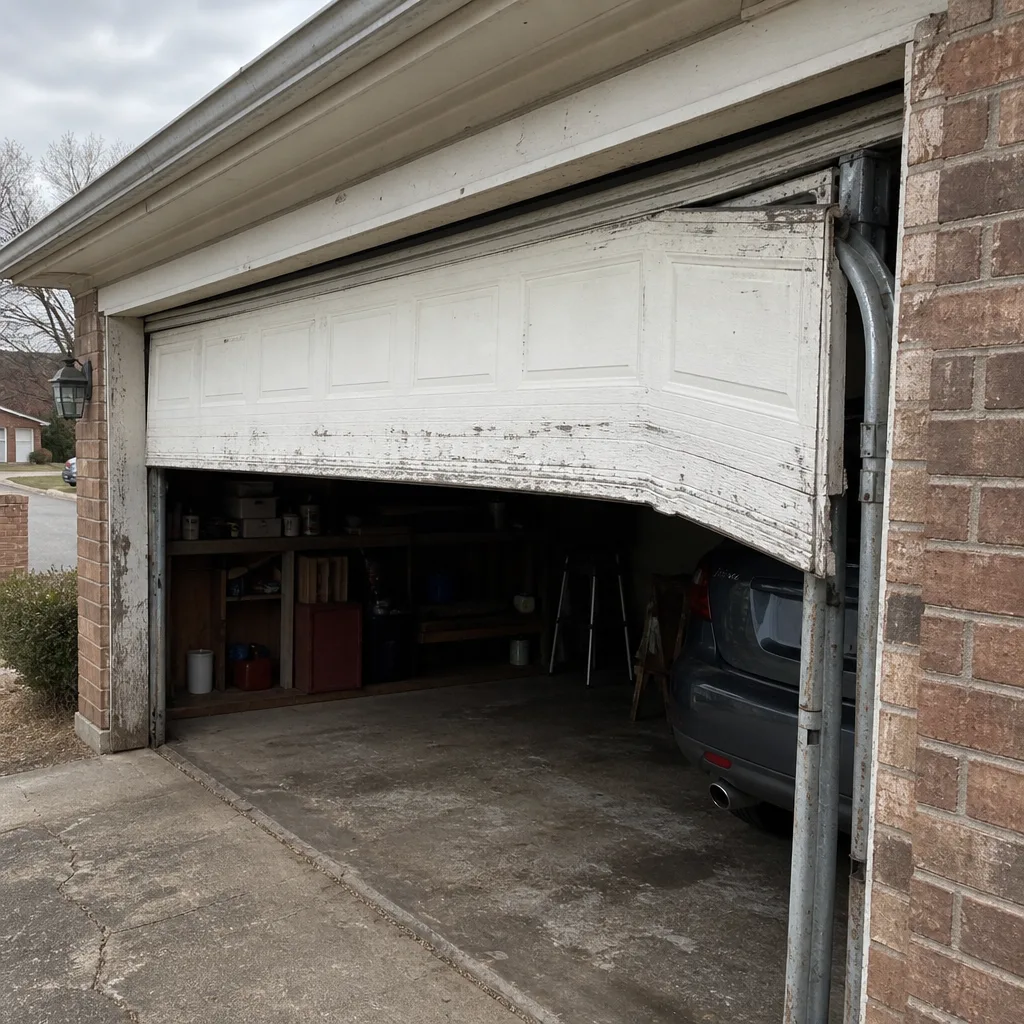 Before
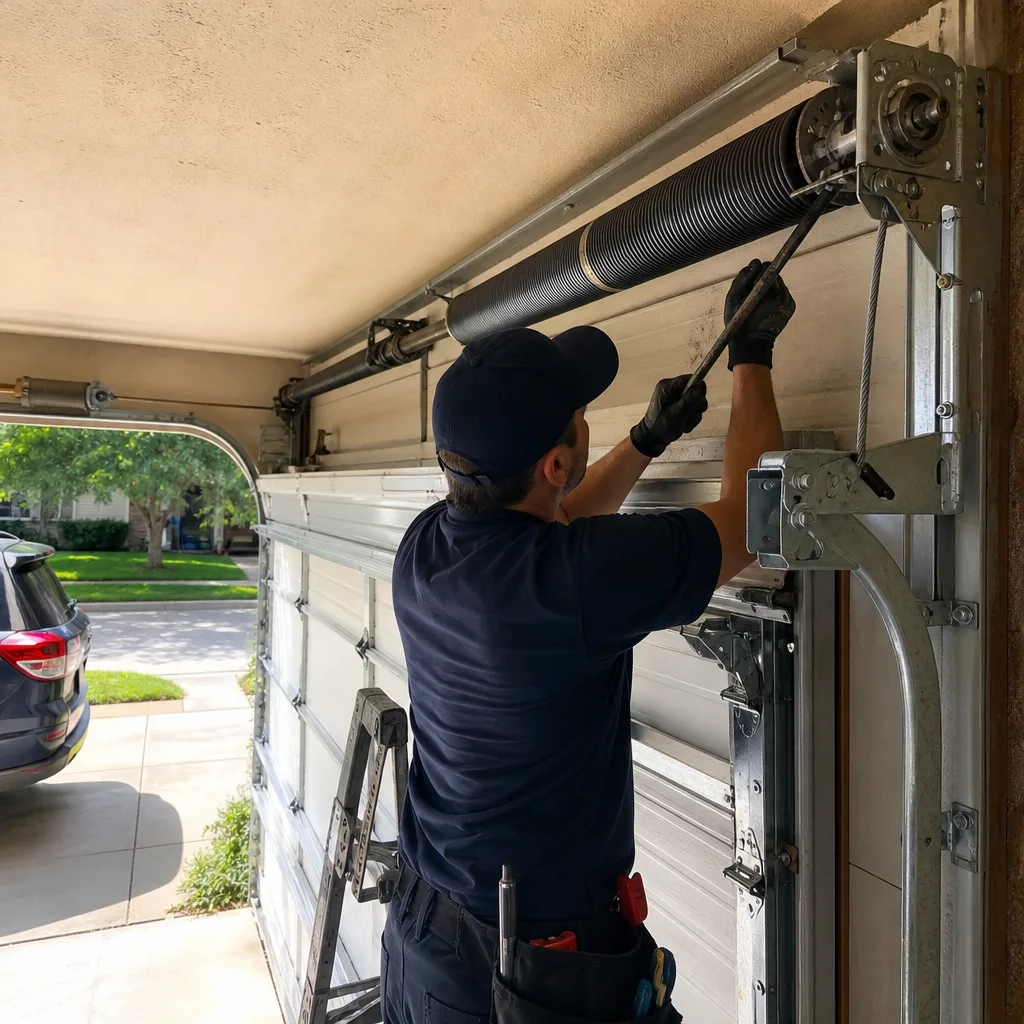 After
After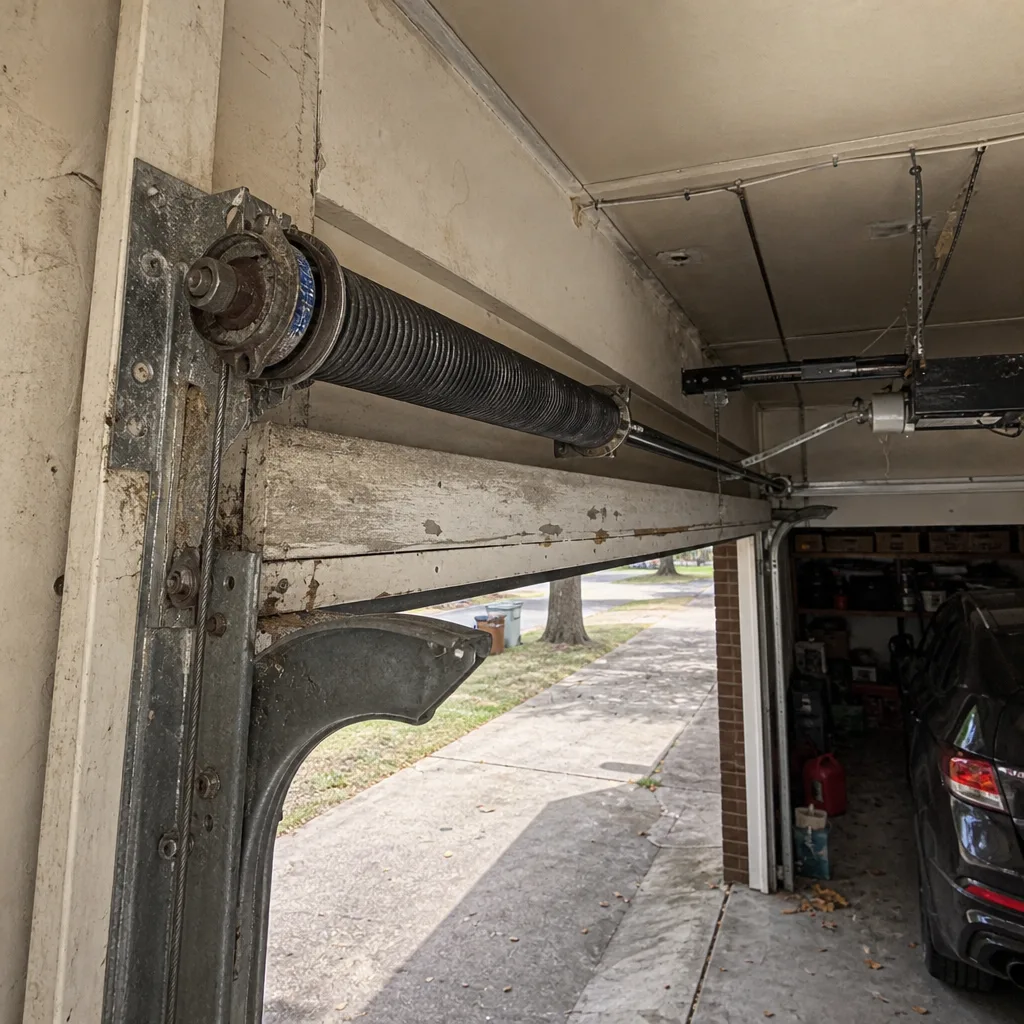 Before
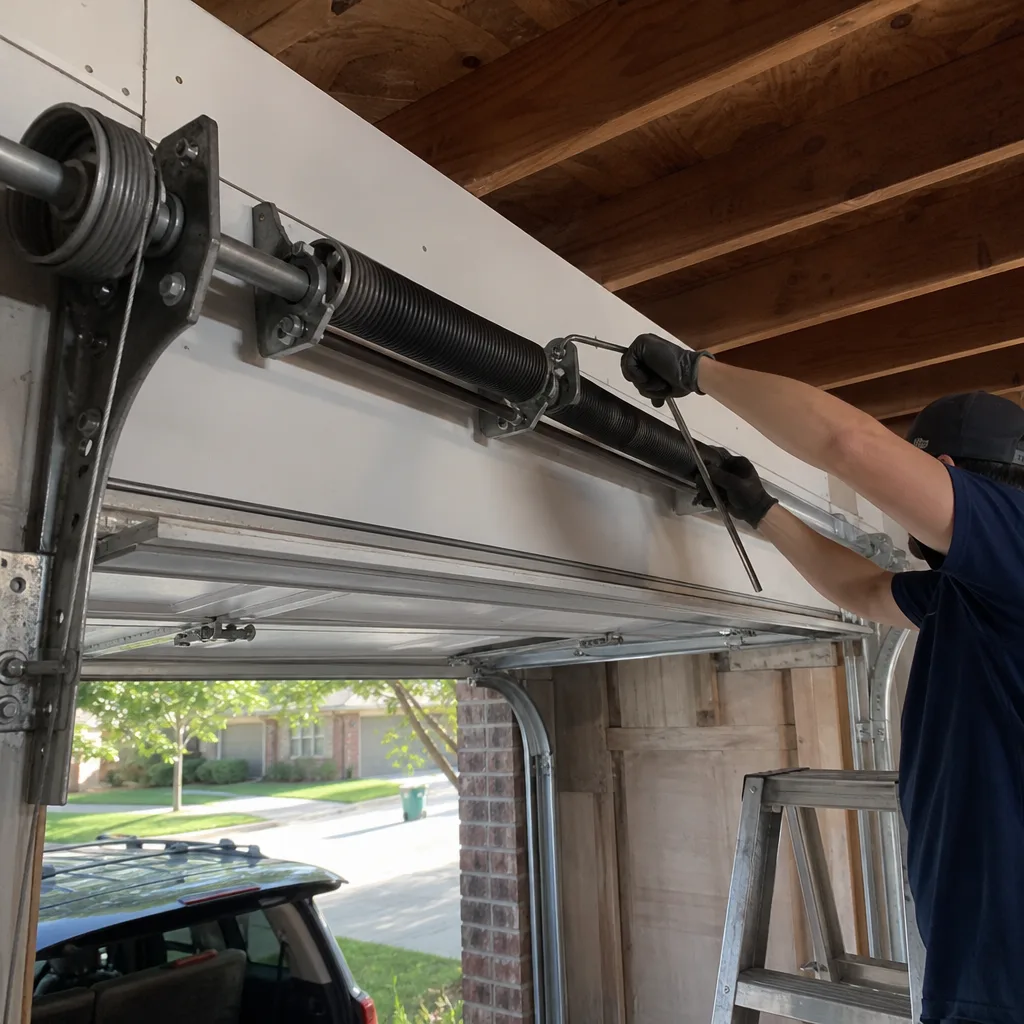 After
After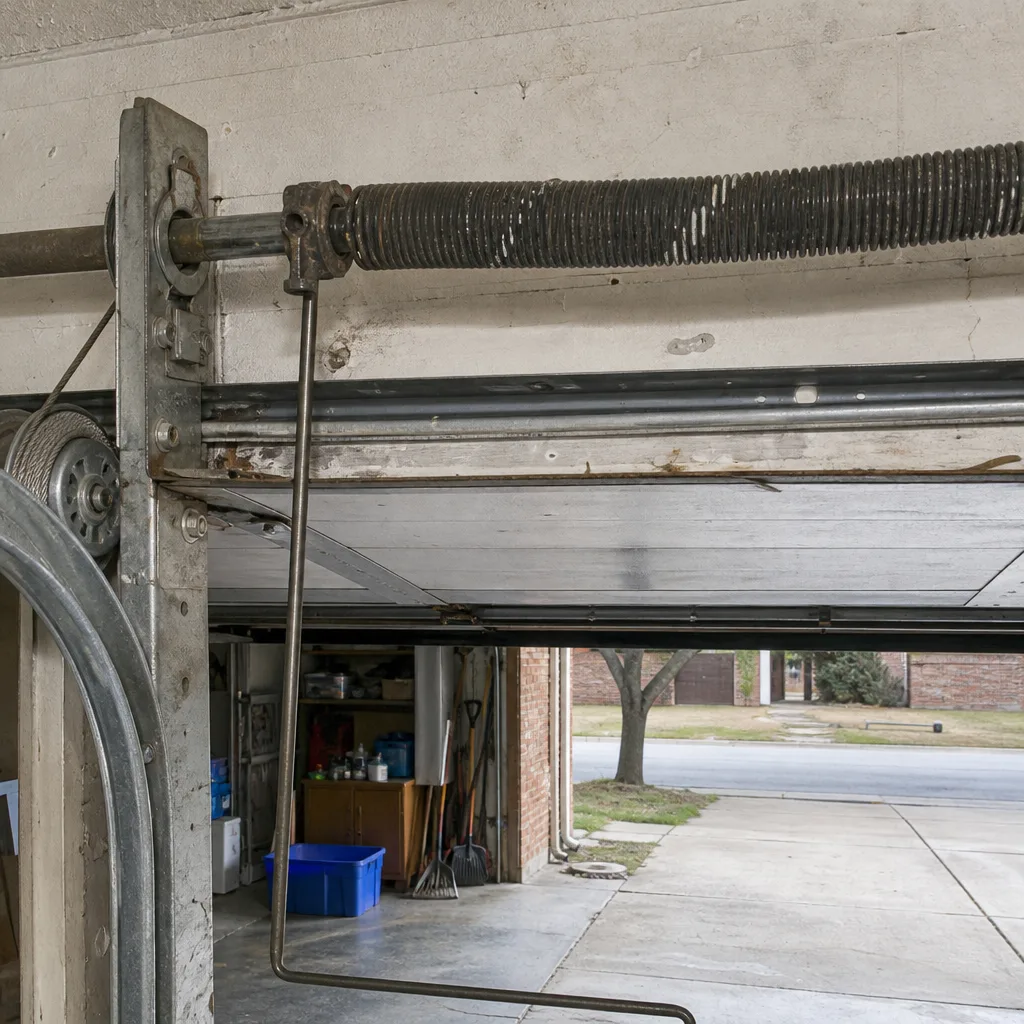 Before
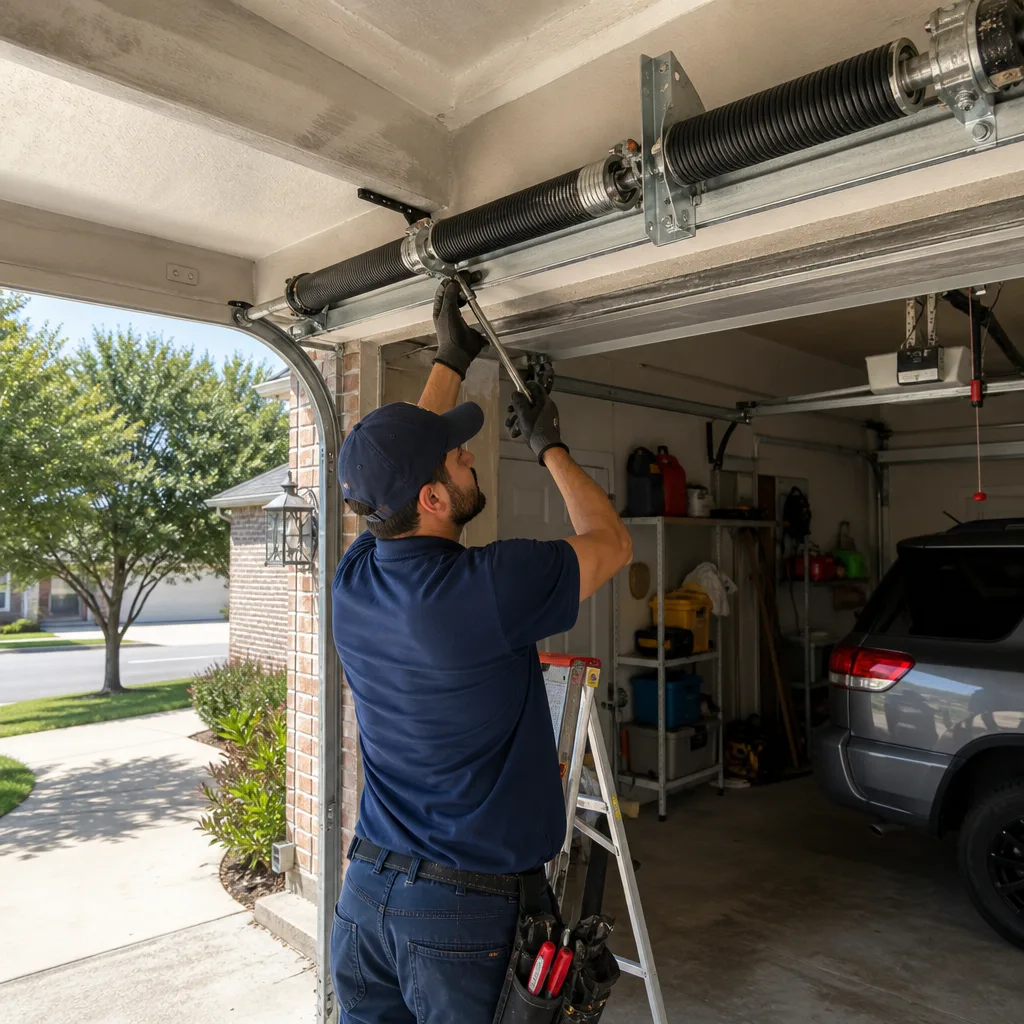 After
AfterReplacement Cost & What’s Included
For Raynor residential doors in Fort Worth, a weather seal replacement typically runs $85 – $150 installed, depending on door width (single vs. double garage) and whether you need a T-seal or a U-style astragal. The seal itself is an inexpensive part; most of what you’re paying for is the service call, removal of the old brittle rubber, cleaning the retainer channel, and a correct installation that won’t sag or pull free in the first month.
Every job includes a written price before any work starts, so the number on your invoice is the number you agreed to, not a surprise with “shop fees” tacked on. The replacement is covered by our 365-Day Done Right Promise: if the seal fails or the install isn’t right within a full year, we return and fix it at no charge. Written, not handshake.
We also include a quick check of the retainer channel itself. In Fort Worth’s humidity and heat, aluminum retainers can corrode or bend slightly, and if the channel is damaged, a new seal won’t seat properly. If the retainer needs replacement, we’ll show you the issue and quote the added part before touching it.
DIY or Call Us?
Weather seal replacement isn’t in the same danger zone as torsion springs or cables, so some homeowners do tackle it themselves. If you’re reasonably handy and your retainer is in good shape, sliding out the old seal, cleaning the channel with a wire brush, and sliding in a new T-seal is doable in an afternoon. The parts are available at big-box stores, though finding the exact Raynor profile can take a couple of stops.
Where DIY goes wrong is the details: buying a seal too thin for the channel, not leaving the rubber a half-inch proud at each end (it shrinks), or failing to lubricate the channel so the new seal binds and tears during install. The most common call we get after a DIY attempt is a door that only “seals” in the middle. By then, you’ve spent the cost of the part plus a Saturday.
If you’d rather skip the trial and error, call (682) 432-0305 and tell us your Raynor model. We’ll bring the right seal, install it cleanly, and back it for a year.
FAQs
A quality Raynor-compatible weather seal typically lasts 3 to 5 years in the Fort Worth climate, though doors that get direct afternoon sun, especially west-facing doors, can harden and crack closer to the 3-year mark. Texas heat and rapid temperature swings do more damage to rubber than anything else. Call (682) 432-0305 for an inspection and an exact quote, and we’ll tell you whether your seal still has life left.
A small tear near the edge can sometimes be trimmed or patched, but a split anywhere across the middle or a seal that’s gone hard and flat can’t be repaired; it needs replacement. Glue and patch kits don’t hold up to the flexing a bottom seal gets every time the door cycles. If you’re not sure whether it’s repairable, call (682) 432-0305 and we’ll give you an honest answer, not a sales pitch.
A standard Raynor weather seal replacement on a typical two-car garage takes about 30 to 45 minutes, including removing the old seal and cleaning the retainer. Most jobs are completed same-day because we keep common seal profiles stocked on the truck. Call (682) 432-0305 to schedule a time that works for you, and we’ll confirm the part is on hand before we arrive.
Yes, we carry Raynor-compatible T-seals and U-style astragals on our service vehicles, covering most residential Raynor doors built after the mid-1990s. If your door needs a less common profile, like the wider commercial-style channel, we can typically source it and complete the install within a few days. Call (682) 432-0305 with your door’s model or a photo of the bottom edge, and we’ll confirm we have what you need before we schedule the visit.
Written by Jaylen Ross, Owner, Marlow Garage Door Repair Fort Worth, serving Fort Worth and nearby areas.