
Last updated October 16, 2026
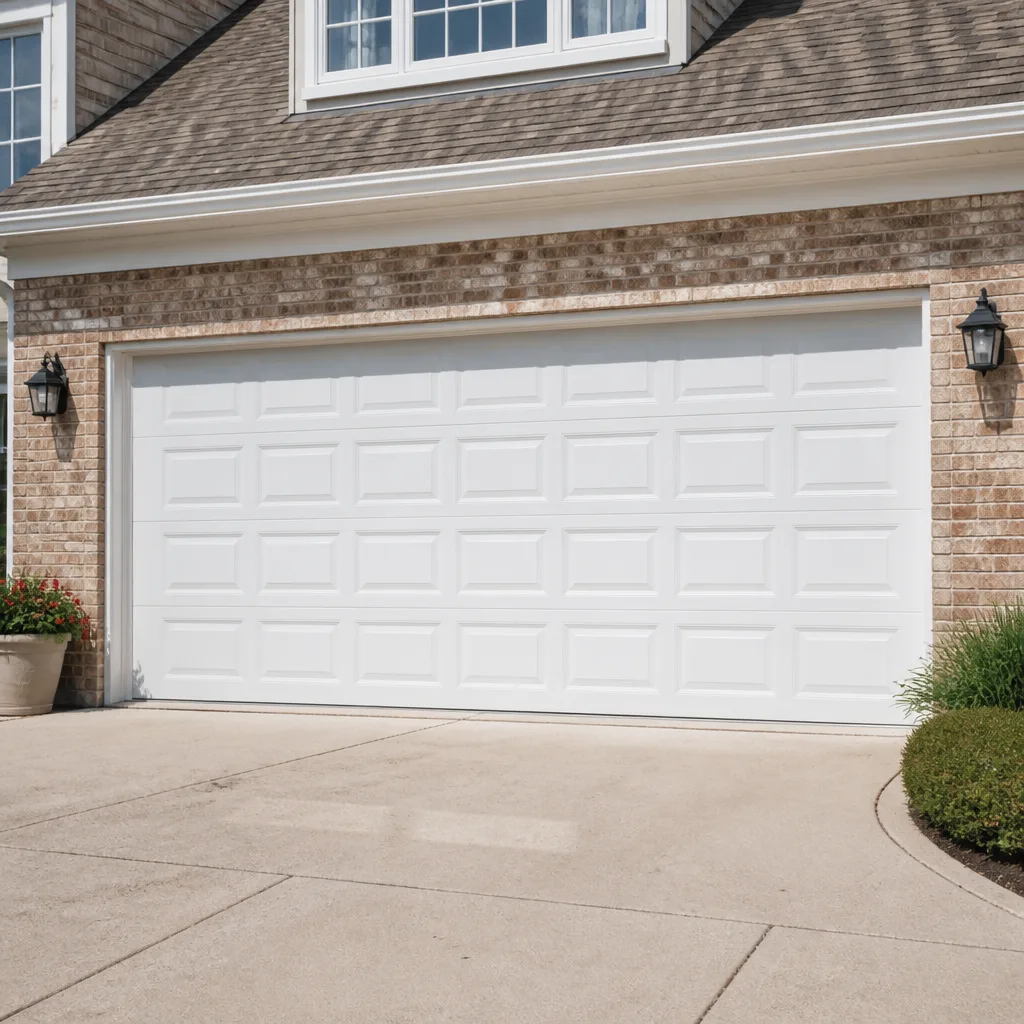 Raised-panel steel
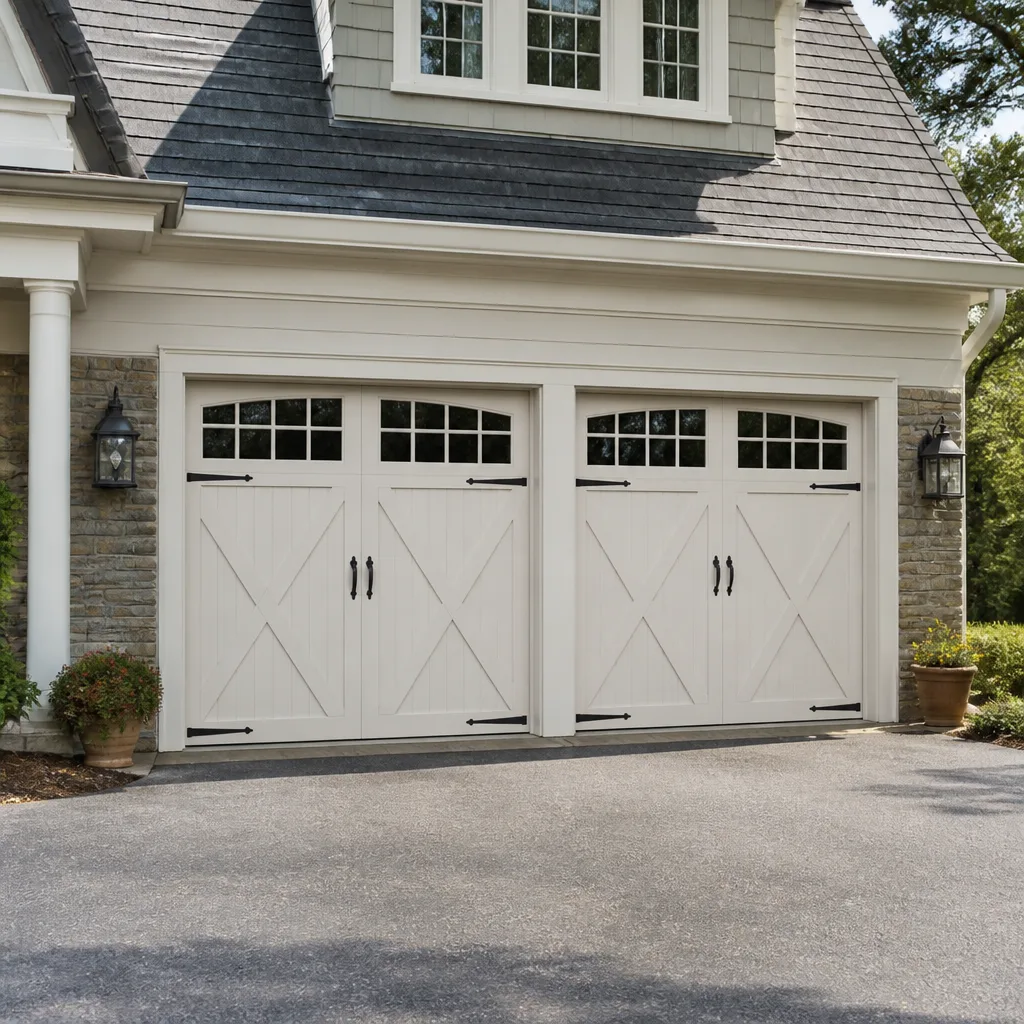 Carriage house
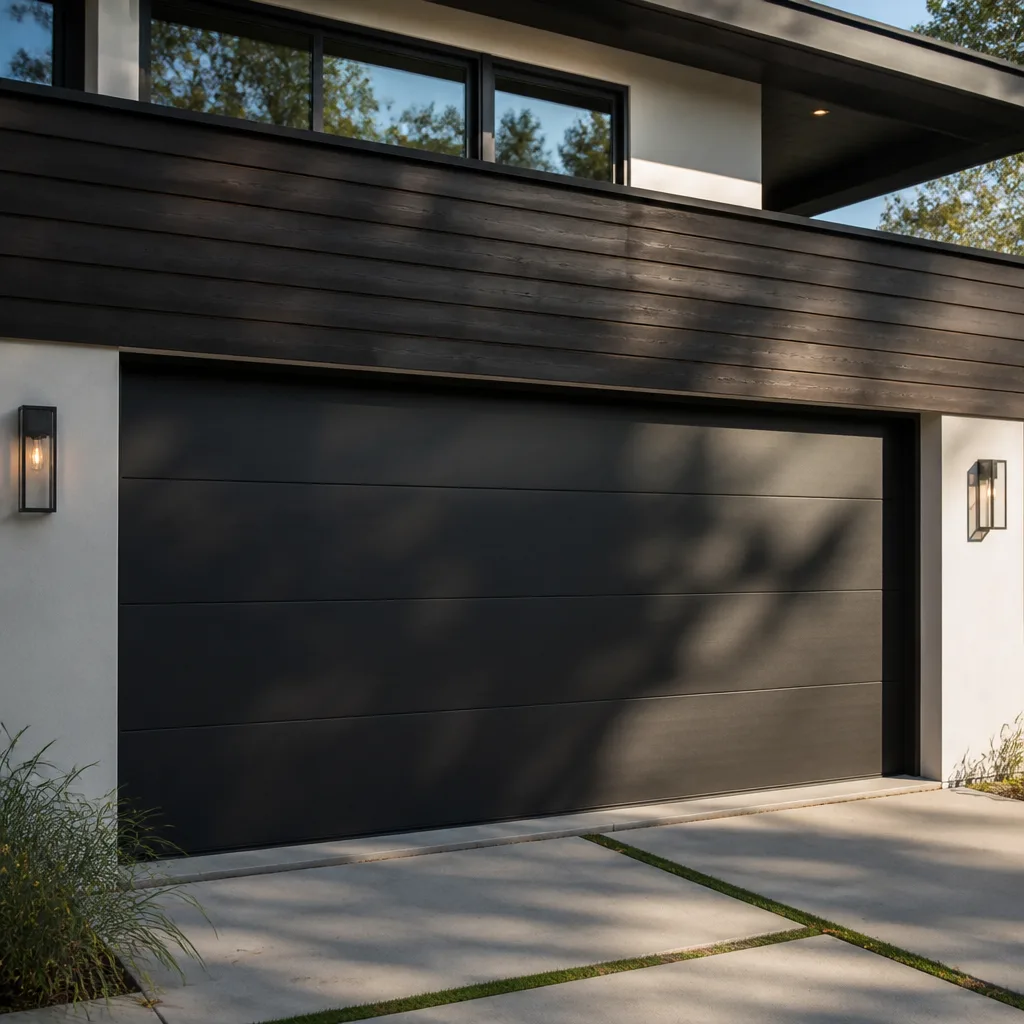 Modern flush
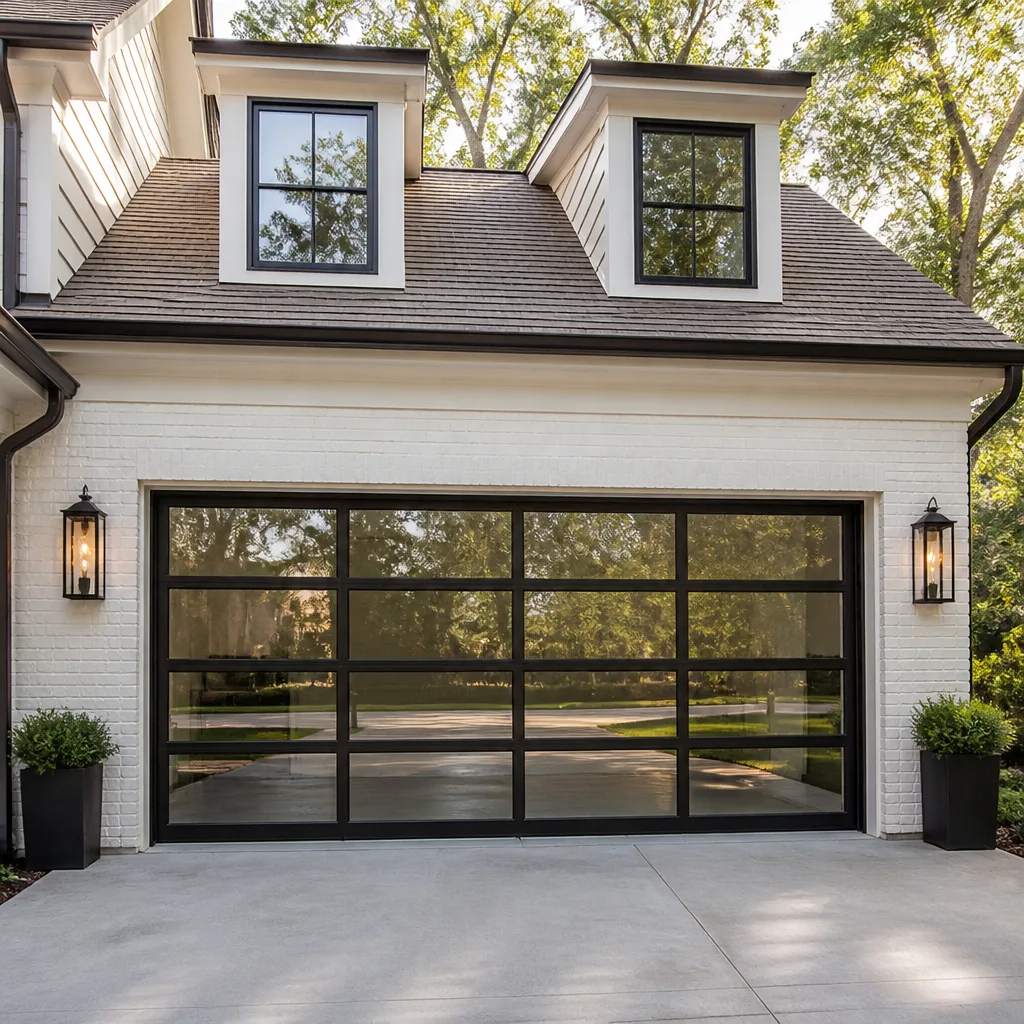 Full-view glass
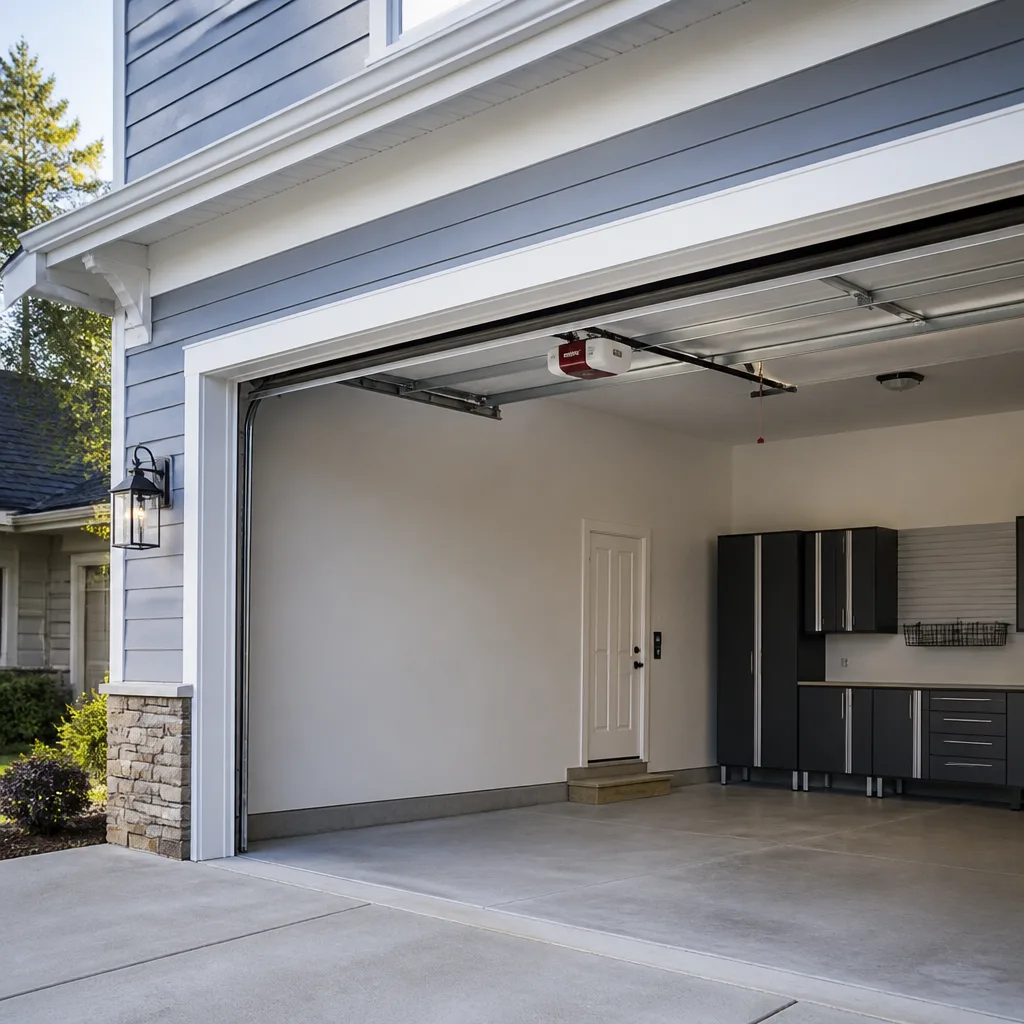 LiftMaster openers
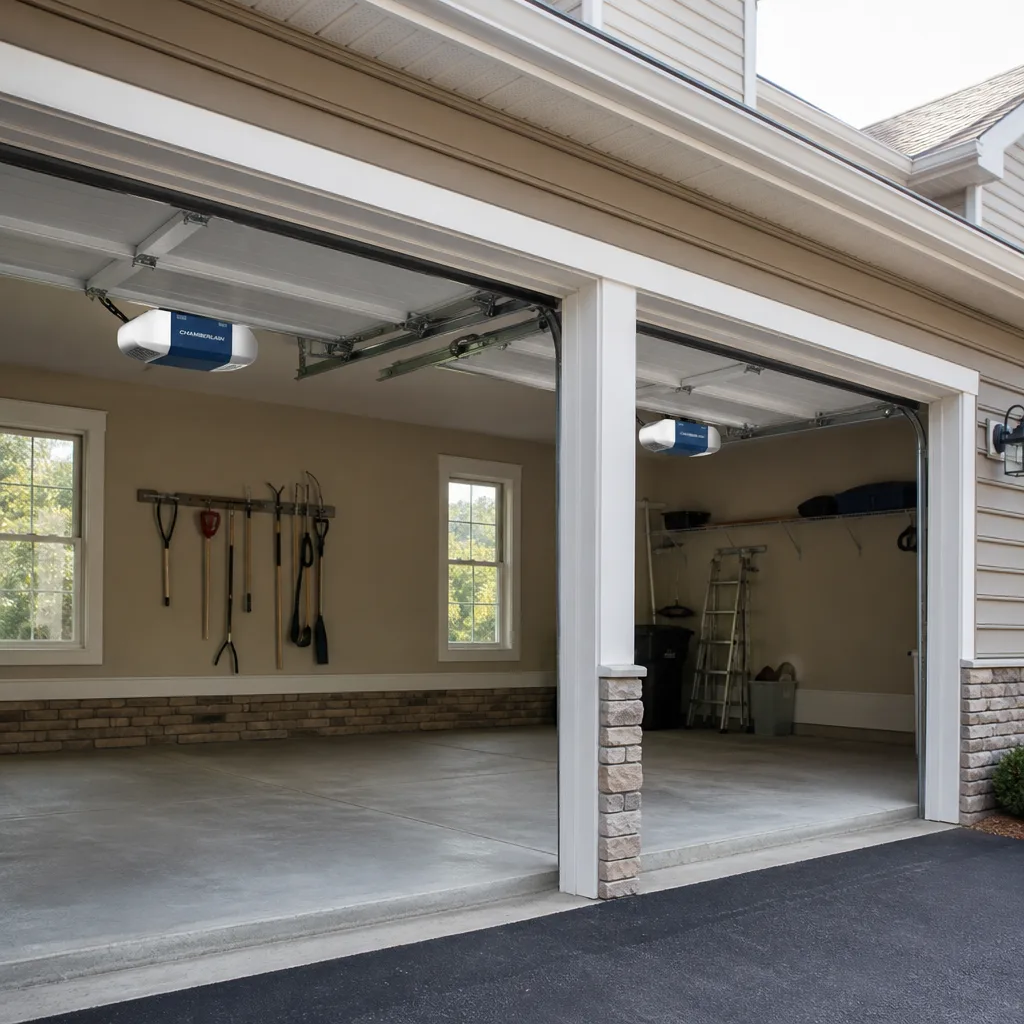 Chamberlain openers
Full 25-point door and opener safety check with every visit - springs, cables, rollers, tracks, and your LiftMaster or Chamberlain opener included
You get a price before we start. It does not change when the truck arrives.
Get your free estimateThe Complete Guide to Garage Door in Fort Worth
Your garage door is the heaviest moving object in your house. Most Fort Worth homes carry a 16-foot-wide steel door that weighs between 250 and 400 pounds, and it cycles open and closed roughly 1,500 times a year. Here’s the part nobody tells you: Fort Worth’s expansive clay soil shrinks and swells with every wet-dry weather cycle, and that movement quietly knocks garage door frames out of alignment year after year. So the door that worked perfectly in April starts binding, grinding, and dragging by September, and the homeowner assumes the opener is dying. This guide explains how Fort Worth’s geology, climate, and housing stock affect your garage door, what repairs actually cost here, and how to avoid paying for work you don’t need. For a deeper look at pricing, see our Garage Door Cost Breakdown: The Fort Worth Homeowner’s Reference for 2026.
Styles & brands we work with
Quick Answer
Garage door ownership in Fort Worth means managing a mechanical system that faces three local enemies: expansive clay soil that shifts the frame, summer heat cycles that fatigue springs early, and hailstorms that dent panels. Most repairs in Fort Worth cost between $125 and $340, and the most common service call is a broken torsion spring, which typically costs $150 to $290 to replace. The smartest move is to catch frame drift and spring wear before they turn into a 7 a.m. emergency where the door won’t open and the car is trapped inside.
Table of Contents
- How Fort Worth Clay Soil Affects Your Garage Door
- Fort Worth Garage Door Materials That Actually Last in Texas Heat
- Torsion vs. Extension Springs: Plain Language and Fort Worth Costs
- Garage Door Styles by Fort Worth Neighborhood
- How Written Pricing Protects You in Fort Worth
- The Fort Worth Garage Door Maintenance Checklist
- Common Mistakes to Avoid
- When to Call a Professional
- Frequently Asked Questions
- The Bottom Line
How Fort Worth Clay Soil Affects Your Garage Door
Fort Worth sits on the Eagle Ford Shale formation, and much of the city’s residential land is built on Houston Black clay, a soil type famous for its shrink-swell behavior. When it rains, this clay absorbs water and expands. When it dries out, which happens fast in Texas summer, it contracts and cracks. This cycle moves your foundation by fractions of an inch per year. Over five or ten years, those fractions add up to a garage door opening that is no longer perfectly square.
Here’s what that means in practical terms. The vertical tracks on either side of your garage door are bolted to the frame. When the frame shifts out of plumb, the tracks shift with it. The rollers start binding against the track edges. The door gets harder to lift. Sometimes it jerks or squeals. The homeowner hears this and assumes the opener motor is failing, or the springs are shot. But in many cases the springs are fine. The frame has simply drifted, and the fix is to re-shim and re-align the tracks, not to replace anything at all.
How do you tell the difference before paying for the wrong repair? Look at the gaps. Open the garage door halfway and step back. If the gap between the door edge and the frame is wider at the top than the bottom on one side, you likely have frame drift from soil movement. If the door sags visibly on one side or looks crooked when partially open, that’s another drift signal. Spring failure, by contrast, usually announces itself with a loud snap and a door that slams shut or won’t lift more than a few inches. In our experience across Fort Worth, homes in the Wedgwood, Ridglea, and Ryan Place areas see more frame drift than homes in newer subdivisions where the soil was engineered and compacted before construction. But we’ve realigned doors in every corner of the city.
One more local note: Fort Worth’s freeze-thaw cycles, though mild compared to the Midwest, still contribute. A wet January followed by a hard freeze expands the soil quickly, and then the February thaw drops it just as fast. That’s why late winter and early spring are prime seasons for alignment-related garage door calls.
Fort Worth Garage Door Materials That Actually Last in Texas Heat
A dark-painted steel garage door on a west-facing wall in Fort Worth reaches surface temperatures above 160°F on a July afternoon. That heat does two things: it accelerates paint fading and panel warping, and it radiates into the garage, raising the temperature of everything inside. Material choice matters more than people think, and some doors that look great in a showroom give up within three Fort Worth summers.
Here’s what holds up here and what doesn’t, based on what we’ve seen on service calls in Fort Worth:
- Steel with polyurethane insulation: The best all-around choice for Fort Worth. Steel handles hail better than aluminum or vinyl, and polyurethane insulation won’t sag or degrade in heat the way polystyrene sometimes does. Expect 20 to 30 years of service with basic maintenance.
- Fiberglass: Attractive and resistant to denting, but fiberglass panels can yellow and become brittle under intense UV exposure. On a fully exposed south-facing or west-facing garage, fiberglass often looks tired by year five.
- Aluminum with glass panels: Common on modern and mid-century homes in the TCU area. Aluminum is light and won’t rust, but Fort Worth hailstorms dent it easily. If you love this style, consider a thicker-gauge aluminum and budget for panel replacement after major hail events.
- Solid wood: Gorgeous and rare in newer Fort Worth construction, mostly because Texas heat and humidity warp solid wood quickly. Wood doors need annual refinishing here, and even then they’ll swell, shrink, and crack. We see them on older homes in Fairmount and Berkeley Place, and owners pay a premium to maintain them.
- Vinyl: Rare in Fort Worth residential garages, mostly used in light commercial. Vinyl resists denting and won’t rust, but it fades fast under Texas sun and tends to look chalky after a few years.
The practical takeaway: if your garage door faces west or south and gets full afternoon sun, choose a light-to-medium color in insulated steel. Dark colors absorb heat, stress the panels, and make the garage itself unusable during a Fort Worth August. If you’re replacing a door, ask about the R-value, which measures insulation. An R-value between 9 and 18 is appropriate for most Fort Worth attached garages where the garage shares a wall with living space.
Torsion vs. Extension Springs: Plain Language and Fort Worth Costs
Every lifting garage door uses springs to counterbalance its weight. There are two common spring systems, and knowing which one you have tells you most of what you need to know about repair costs and safety. The torsion spring, the horizontal coil mounted on a metal bar above the door opening, is the modern standard on most Fort Worth homes built after 1990. It stores mechanical energy by twisting, and it does the heavy lifting when the opener pulls the door up. Extension springs, the two long springs that stretch along the horizontal tracks on either side, are common on older homes and lightweight single-car doors.
Here’s the comparison in plain language:
| Feature | Torsion Spring | Extension Spring |
|---|---|---|
| Location | Above the door, mounted on a horizontal shaft | Along both horizontal tracks, parallel to the ceiling |
| Lifespan in Fort Worth | 8 to 12 years, or about 10,000 cycles, whichever comes first | 5 to 8 years, or about 7,000 cycles |
| Typical replacement cost | $150 to $290 for one spring installed | $125 to $220 for a pair installed |
| Safety profile | High stored energy; requires specialized tools and training | High stored energy; also requires specialized tools and training |
That heat issue comes up again here. Garage door springs are rated in cycles, meaning one full open-and-close equals one cycle. The extreme temperature swings in Fort Worth cause metal fatigue faster than in more temperate climates. A spring that would last 12 years in Ohio might fail in year eight in Fort Worth, especially if the door faces afternoon sun. When a spring company rates a spring for 10,000 cycles, that number assumes average operating conditions. Fort Worth is not average.
One critical safety note: both torsion springs and extension springs are under enough tension to cause serious injury or death if mishandled. Replacing a spring is not a DIY project. In our Garage Door Spring Repair in Fort Worth work, we see homeowners who attempted spring replacement and ended up with damaged tracks, broken windows, or worse. Every time, the attempt cost more than the professional repair would have. We include spring safety inspections with every service call, and we replace springs in pairs when they show uneven wear.
Garage Door Styles by Fort Worth Neighborhood
Fort Worth’s housing stock varies wildly from one neighborhood to the next, and garage door styles follow the architecture. Walking through the city, you’ll notice distinct patterns that any homeowner considering a replacement should know about.
In the TCU and Westover Hills area, homes built between the 1920s and 1950s often feature carriage-house styling, with wood or wood-look steel doors that have decorative hinges and handles. These homeowners tend to value curb appeal and architectural authenticity over raw utility. A common replacement we recommend there is an insulated steel door with a woodgrain texture from Clopay or Amarr, which gives the historical look without the constant maintenance of real wood. The spring systems on these older doors are frequently extension springs, which means replacement quotes in this area sometimes run lower than the citywide average, though the doors themselves often need custom fitting because the openings are not standard sizes.
Up north in the Alliance Corridor and around Saginaw, most homes were built after 2005. These are production-built homes with standard-size openings, typically 16 feet wide in the front garage and 8 feet wide in the third-car bay. Homeowners here are more likely to have Chamberlain or Genie openers paired with an insulated steel door from the builder’s package. When these doors fail, the repair is usually straightforward because parts are widely available and the openings are square. Custom work is rare.
In the historic Fairmount and Ryan Place neighborhoods south of downtown, you’ll find bungalows and craftsman homes with detached garages, many of them added in the 1940s and 1950s. These garages often have single-bay doors that are 8 or 9 feet wide, not the standard 16-foot double. Replacement panels here require special ordering, and we always measure on-site rather than trusting the original door size. Foundation movement in these older neighborhoods is pronounced, which means frame alignment work is common before any new door is installed.
What does this mean for your home? If you’re considering a new garage door or a major repair, the neighborhood context matters for cost, lead time, and the right material choice. A door that looks right in Westover Hills might look out of place in a new Alliance build, and vice versa. The best guidance comes from a technician who works across all of Fort Worth and knows what belongs where.
How Written Pricing Protects You in Fort Worth
Here’s a scenario we hear constantly from Fort Worth homeowners who call us after a bad experience with another company. A garage door breaks on a Monday morning. The homeowner calls the first number that comes up in a search. The technician arrives, looks at the door for two minutes, and quotes a repair price. The homeowner approves it because the car is trapped and work starts that day. When the bill arrives, there’s an extra $90 for a “service call fee” on top of the labor, plus an upcharge for a part the homeowner didn’t authorize. The final invoice is $200 higher than the verbal quote.
This is not an exaggeration. It’s the most common complaint we hear from new customers in Fort Worth, and it’s why our model works the way it does. Marlow Garage Door Repair Fort Worth home operates on a written-price standard: you see the exact dollar amount on paper or on your phone before any wrench turns, and that number is locked. If the technician discovers an additional issue mid-repair, the new work is quoted separately and you approve it before anything else happens. The number on the invoice matches the number you agreed to. No exceptions.
Beyond pricing, there’s the question of who is walking up your driveway. Our technicians are background-checked, uniformed, and trained on the specific door you own. That last point matters more than most people realize. A technician who spends most of their time on Chamberlain openers and then encounters a Genie system will figure it out, but it takes longer and the diagnosis is more likely to be wrong. We train our technicians on eight major brands: LiftMaster, Chamberlain, Genie, Clopay, Amarr, Wayne Dalton, Craftsman, and Raynor. Whatever you have, the person arriving already knows it.
And if the repair does fail, you’re not starting over. Our 365-Day Done Right Promise covers every repair we perform for a full year. If the same issue comes back within 365 days, we return and make it right at no charge. That guarantee is written, not implied. For a city the size of Fort Worth, where word-of-mouth reputation travels fast through neighborhood Facebook groups and Nextdoor, a real guarantee is the only kind worth making.
The Fort Worth Garage Door Maintenance Checklist
Most garage door emergencies in Fort Worth follow a pattern. The door works fine for years, nobody touches it, and then one morning it won’t open. The failure wasn’t sudden. It was gradual, and the warning signs were visible for months. Here’s a maintenance routine that takes ten minutes per season and catches most problems before they become $300 emergencies.
- Visual inspection of the springs each spring and fall. Look for gaps in the torsion spring coil, rust, or visible wear. If the spring has a visible gap, it’s on borrowed time. If you see rust, the spring is weakening. Call before it snaps.
- Check the door balance every spring and fall. Pull the emergency release cord, usually a red cord hanging from the opener rail, so the door moves manually. Lift the door halfway. It should stay in place on its own. If it falls or rises, the springs are no longer counterbalancing the door’s weight correctly, and the opener motor is working harder than it should.
- Listen for new sounds during operation. A garage door that suddenly starts grinding, squealing, or rattling is communicating. Grinding often means dry rollers or a failing bearing. Squealing suggests track friction. Rattling may mean loose hardware. Each sound points to a different fix.
- Inspect the weather seal along the bottom of the door. Fort Worth gets intense sun and occasional driving rain. A cracked or missing seal lets dirt, bugs, and water into the garage, and it forces your HVAC system to work harder if the garage is conditioned.
- Lubricate moving parts once a year with a silicone-based garage door lubricant. Avoid WD-40, which attracts dust and gums up over time. Spray the rollers, hinges, and the torsion spring. Never lubricate the opener rail unless the manufacturer specifies it.
- Check the tracks for debris and alignment. Look for dirt buildup, bent sections, or loose bolts on the vertical and horizontal tracks. If you can see daylight between the track and the wall where the bolts should hold it flush, the track has pulled away and needs re-securing.
One piece of local advice: perform this checklist in April and October. Those are the shoulder months in Fort Worth when temperatures are comfortable enough to spend ten minutes in the garage without sweating through a shirt. The spring check catches any freeze-thaw damage from winter. The fall check prepares the door for the temperature swings of the coming months.
Common Mistakes to Avoid
- Assuming a hard-to-open door means the opener motor is dying. In Fort Worth, frame drift from clay soil is just as likely to be the culprit. Replacing the opener without addressing the alignment wastes $300 to $600 and doesn’t fix the real problem.
- Calling for a spring replacement when the tracks are simply out of alignment. A crooked door, a gap between door and frame, or a door that binds on one side points to track issues, not necessarily spring failure. A written price and a proper diagnosis prevent paying for the wrong repair.
- Ignoring a noisy door until it stops working. Garage doors get louder before they fail. A grinding sound in March is a $15 roller replacement. The same grinding in August is a $200 door off track call.
- Painting a garage door a dark color without considering the Fort Worth sun. Dark doors on west-facing walls absorb full afternoon heat, which shortens panel life and radiates heat into the garage. Light to medium colors last longer here.
- Attempting a DIY spring replacement. The spring is under enough tension to kill or seriously injure. It requires specialized tools and training. Every DIY spring attempt we’ve followed up on in Fort Worth cost more than the professional repair would have, and none of them ended with a working door.
- Accepting a verbal quote without a written price. If the price isn’t written down before work starts, it can change. The number on the invoice should match the number you agreed to. Always.
- Choosing a door replacement based on looks alone. Fort Worth’s hail, heat, and soil movement punish certain materials. A wood door that looks beautiful in a catalog will warp within two years on a west-facing Fort Worth garage unless you commit to annual maintenance.
When to Call a Professional
Some garage door issues are obvious enough to spot, but not obvious enough to safely fix yourself. Call a professional when the door won’t open or close at all, when it opens unevenly or sags on one side, when you hear a loud snap from the spring area, when the door comes off the tracks, or when the opener runs but the door doesn’t move. These are mechanical failures where guessing wastes time and money, and several of them involve enough stored energy to cause serious injury. Garage Door Repair in Fort Worth is one of the core services Marlow Garage Door Repair Fort Worth provides. For a free estimate in Fort Worth, call (682) 432-0305. A real person answers, day or night.
Frequently Asked Questions
Most garage door repairs in Fort Worth run between $125 and $340, depending on the part and the scope of the work. Spring replacement is the most common repair and typically costs $150 to $290 for a torsion spring installed. Cable repairs usually run $130 to $250. You’ll see a written price before any work starts, so the number never surprises you at the end. Call (682) 432-0305 for an exact quote on your door.
Broken torsion springs are the most common repair call in Fort Worth, followed closely by track misalignment caused by clay soil movement under the foundation. The two problems are often confused, which is why a proper diagnosis matters. A broken spring snaps loudly and the door won’t lift. A misaligned track makes the door grind and bind as it moves.
Yes. For most spring, cable, and track repairs, the parts fit on the service truck and the work is done the same day you call. Emergencies like a door that won’t close or a car trapped inside the garage get priority scheduling. For installation and full door replacement, we schedule a free measure first and then order the door, which typically takes one to three weeks depending on the size and style. A live person answers every call at (682) 432-0305, no voicemail and no callback queue.
In Fort Worth’s heat and temperature swings, a standard torsion spring lasts 8 to 12 years, or about 10,000 cycles. Springs on doors that get heavy daily use, like a garage that serves as the main entry and exit, wear out faster. Extension springs on older homes typically last 5 to 8 years. The spring’s rated cycle count assumes average conditions, and Fort Worth summers are harder on metal than most people realize.
Almost always, yes. Both springs have the same cycle rating and the same history, which means the unbroken spring is near the end of its life too. Replacing both at once costs less than replacing them a few months apart, and it restores the door’s balance properly. We replace both springs as standard practice unless the second spring is clearly newer than the broken one.
Our technicians are trained and certified on eight major garage door brands: LiftMaster, Chamberlain, Genie, Clopay, Amarr, Wayne Dalton, Craftsman, and Raynor. If you have a Chamberlain opener paired with a Clopay door, the technician arriving at your Fort Worth home already knows both systems. That training shortens the diagnosis time and means the repair is done right the first visit.
No. The price you approve in writing is the price you pay. If the technician finds an additional issue during the repair, the new work gets quoted separately and you approve it before anything else happens. The written price is locked before any work begins, and the invoice matches that number. For Garage Door Cable Repair in Fort Worth and every other service we handle, this standard never changes.
The Bottom Line
Fort Worth is tough on garage doors. The clay soil shifts frames, the summers fatigue springs, and the hail dents panels. But the homeowners who treat their garage door as a system worth maintaining, rather than an appliance to fix when it breaks, spend less and face fewer emergencies. Know your soil, choose the right material, inspect the springs twice a year, and never accept a verbal quote. If your door is acting up, get a written price and a real diagnosis before any work begins. That’s the standard we built Marlow Garage Door Repair Fort Worth around in 2002, and it’s the standard every Fort Worth homeowner should demand.
Written by Jaylen Ross, Owner at Marlow Garage Door Repair Fort Worth, serving Fort Worth since 2002. Browse our more guides & resources for Fort Worth homeowners.
See the difference
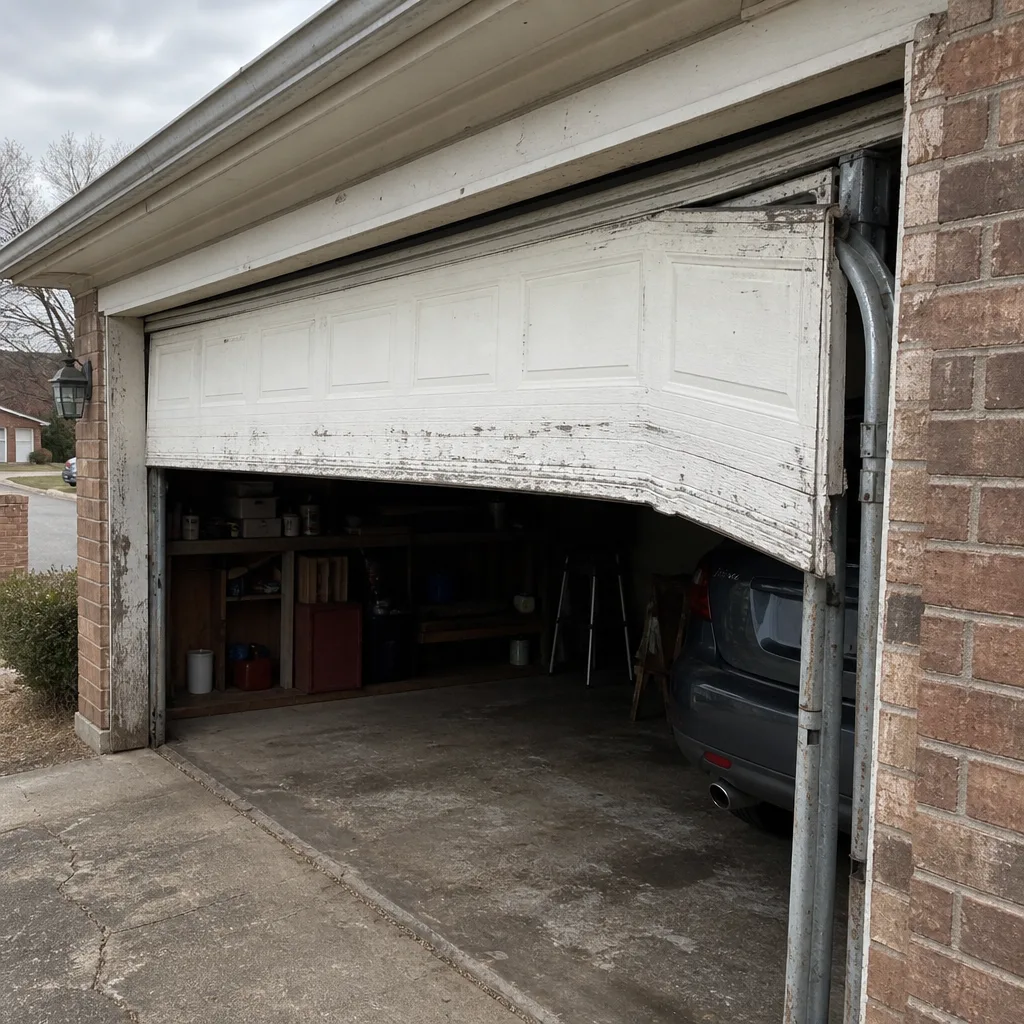 Before
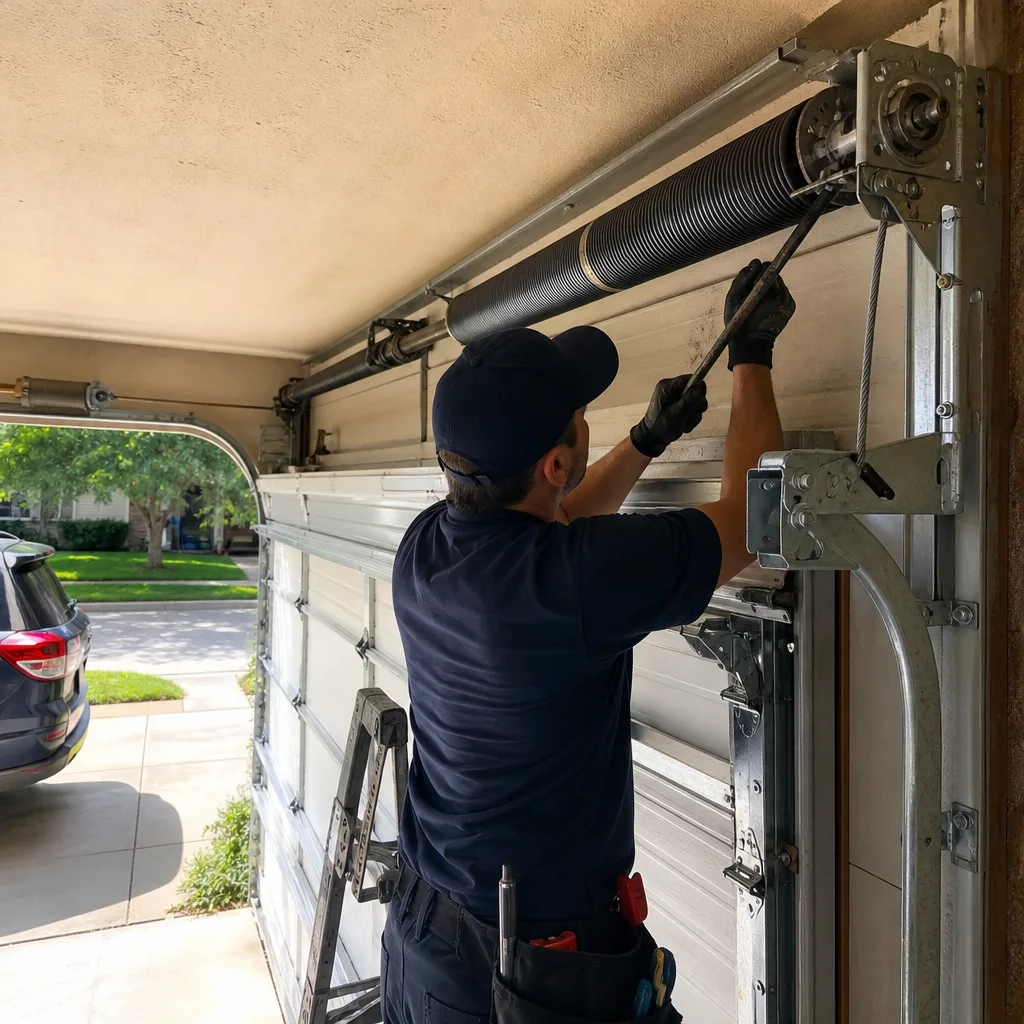 After
After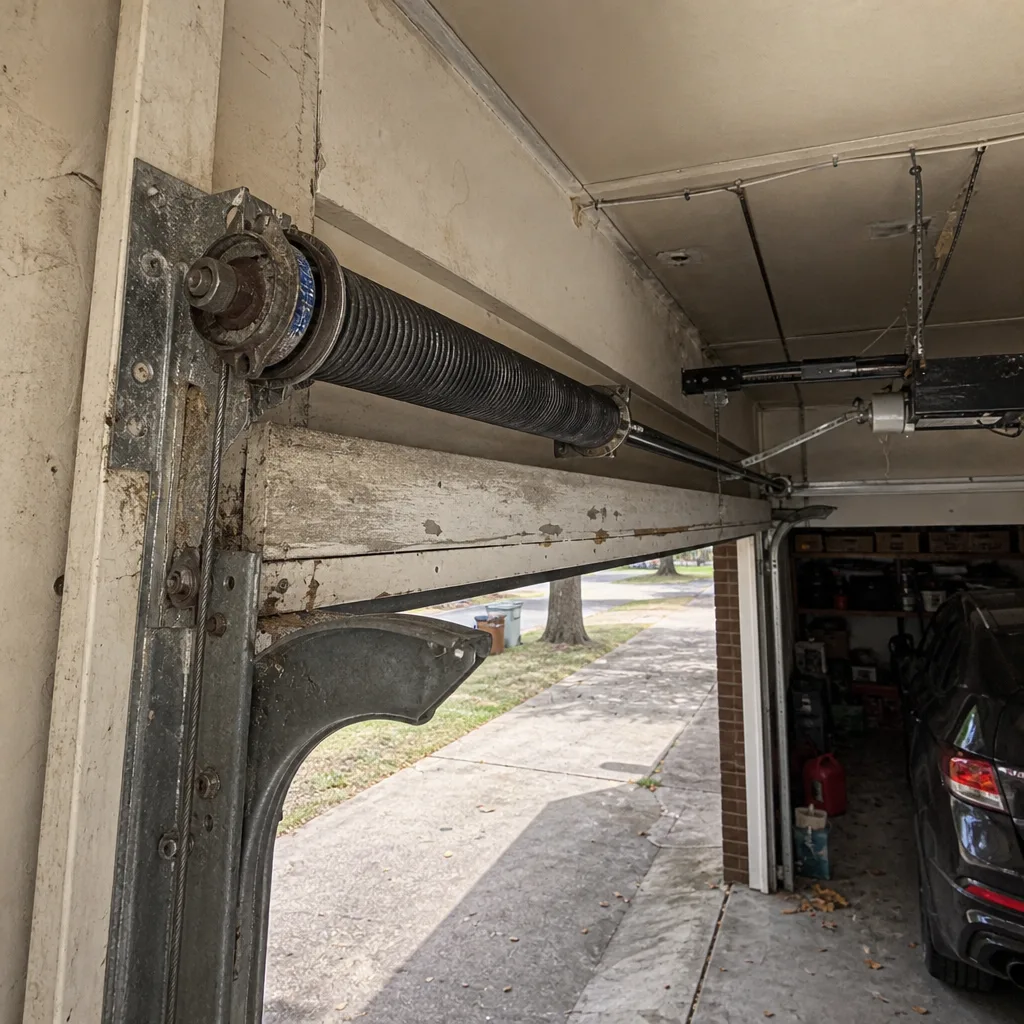 Before
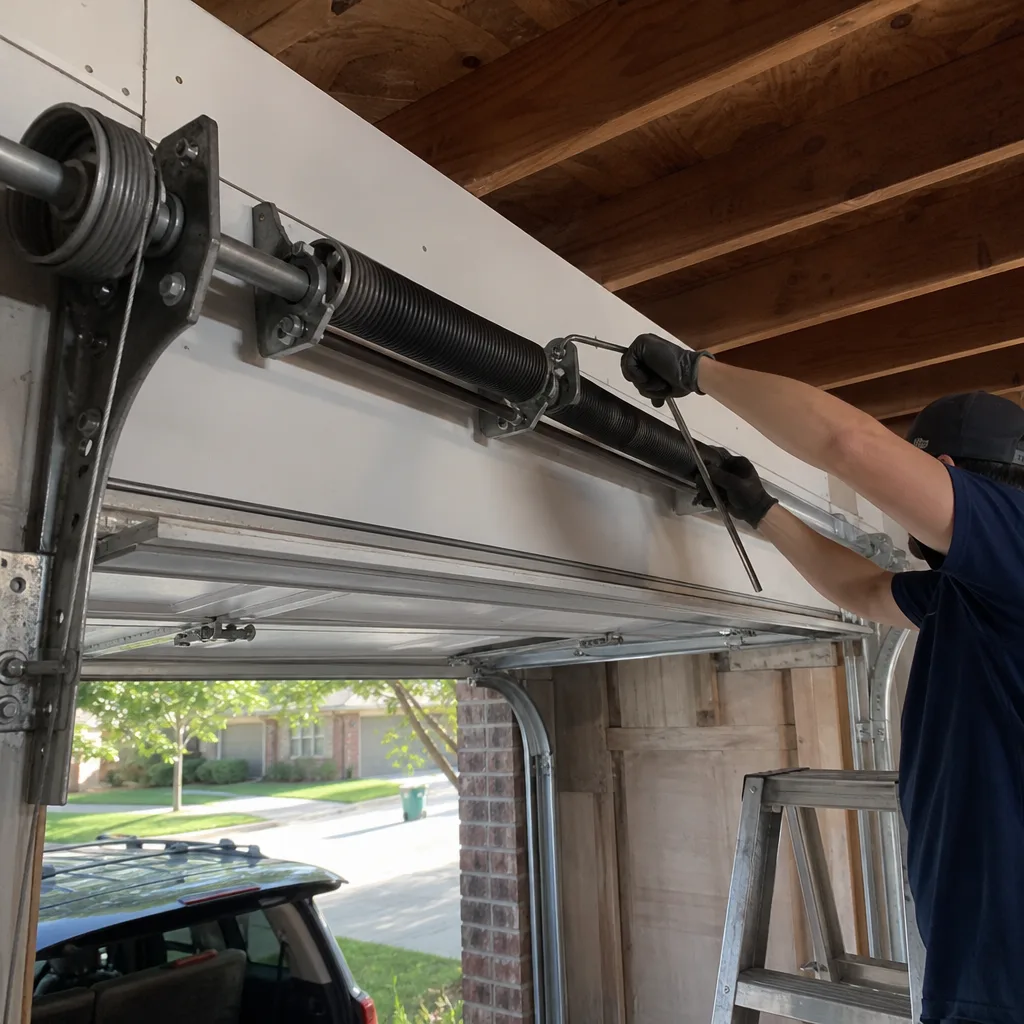 After
After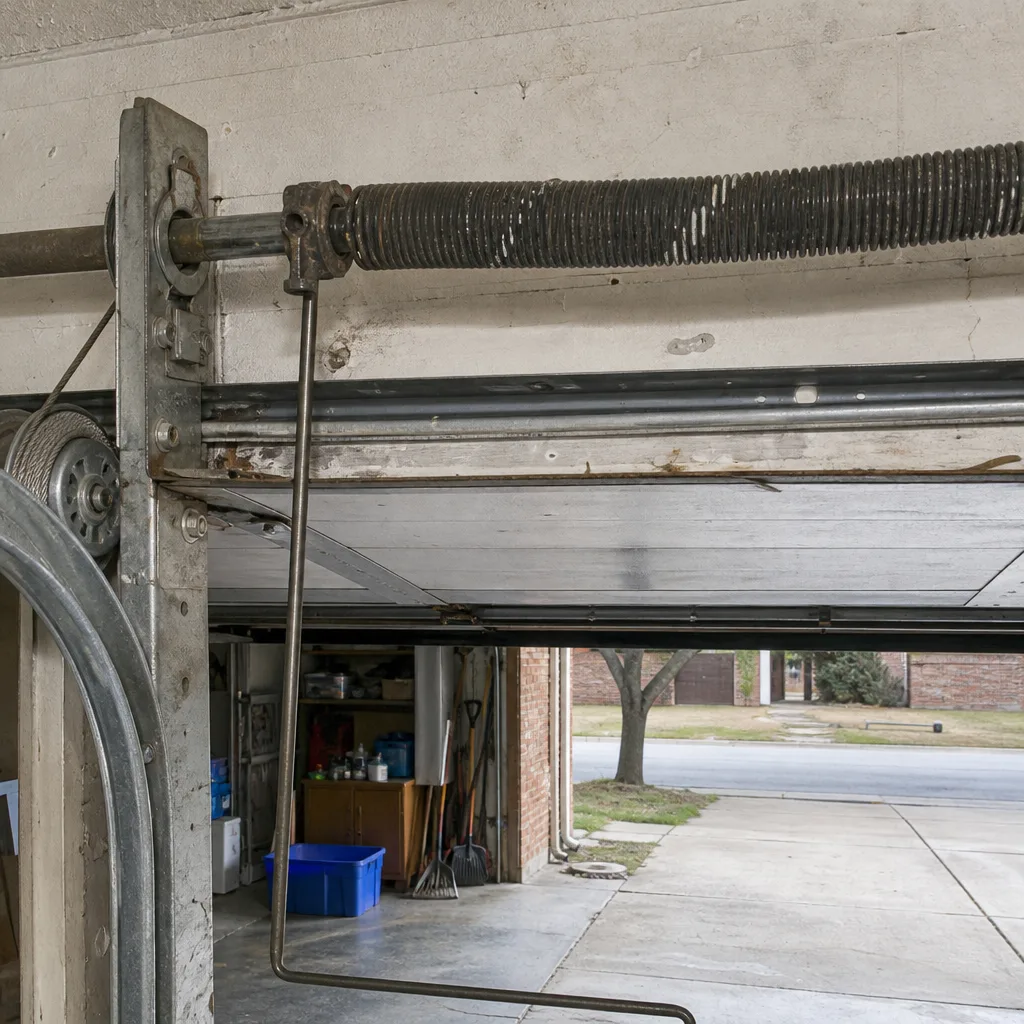 Before
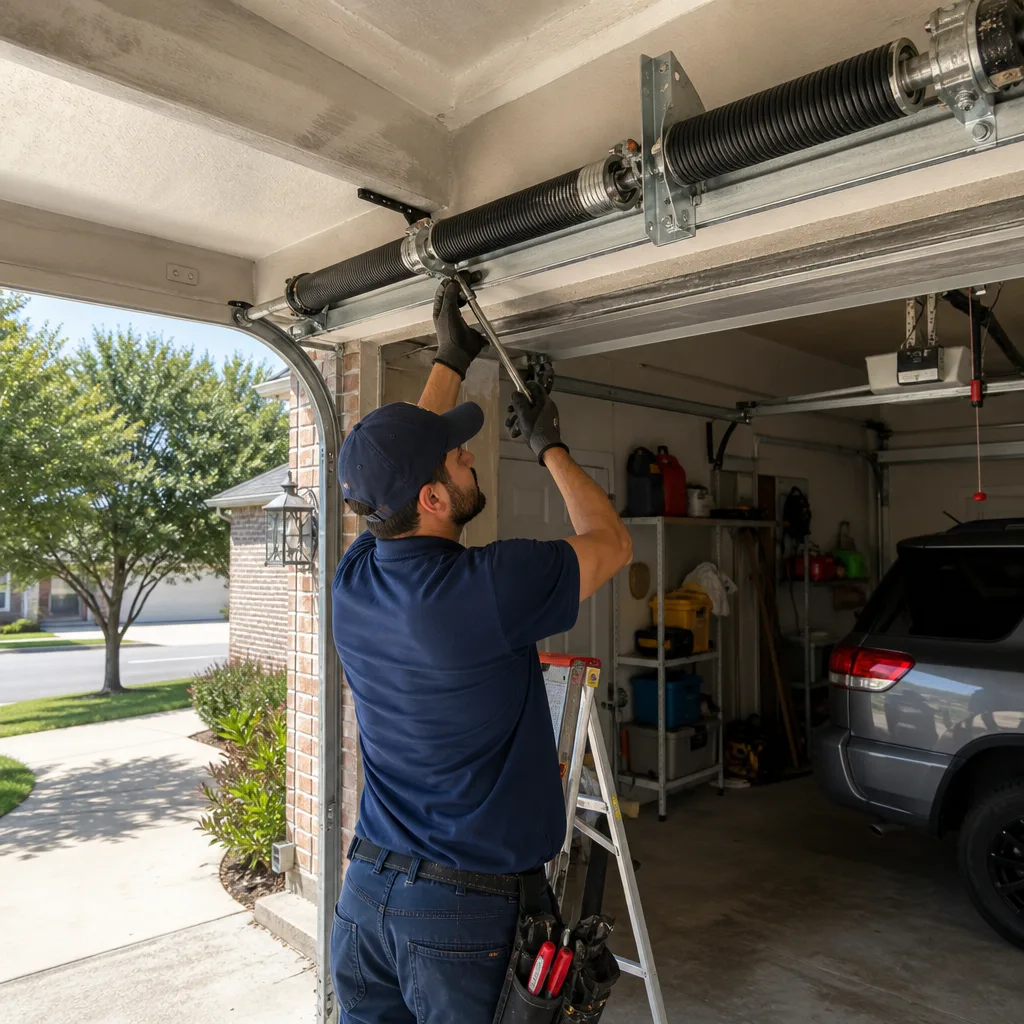 After
After