
Last updated October 16, 2026
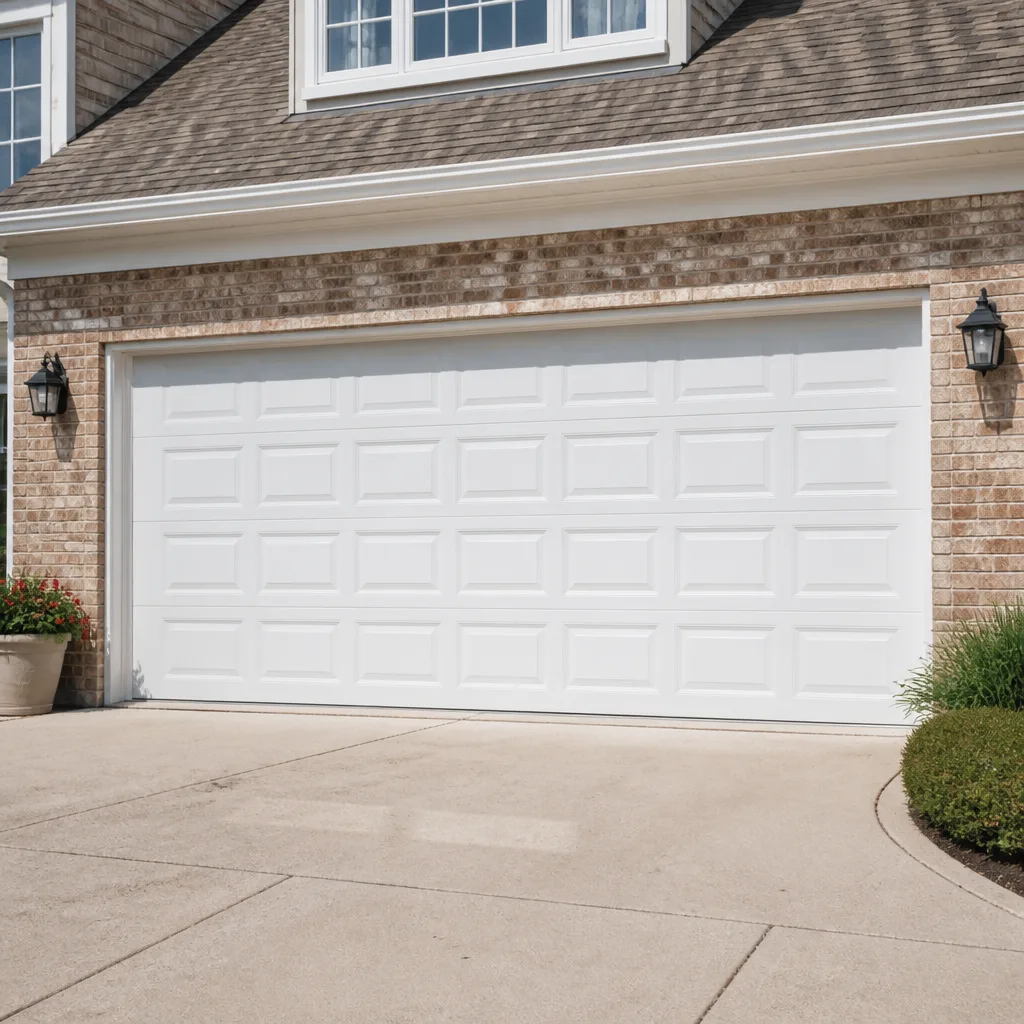 Raised-panel steel
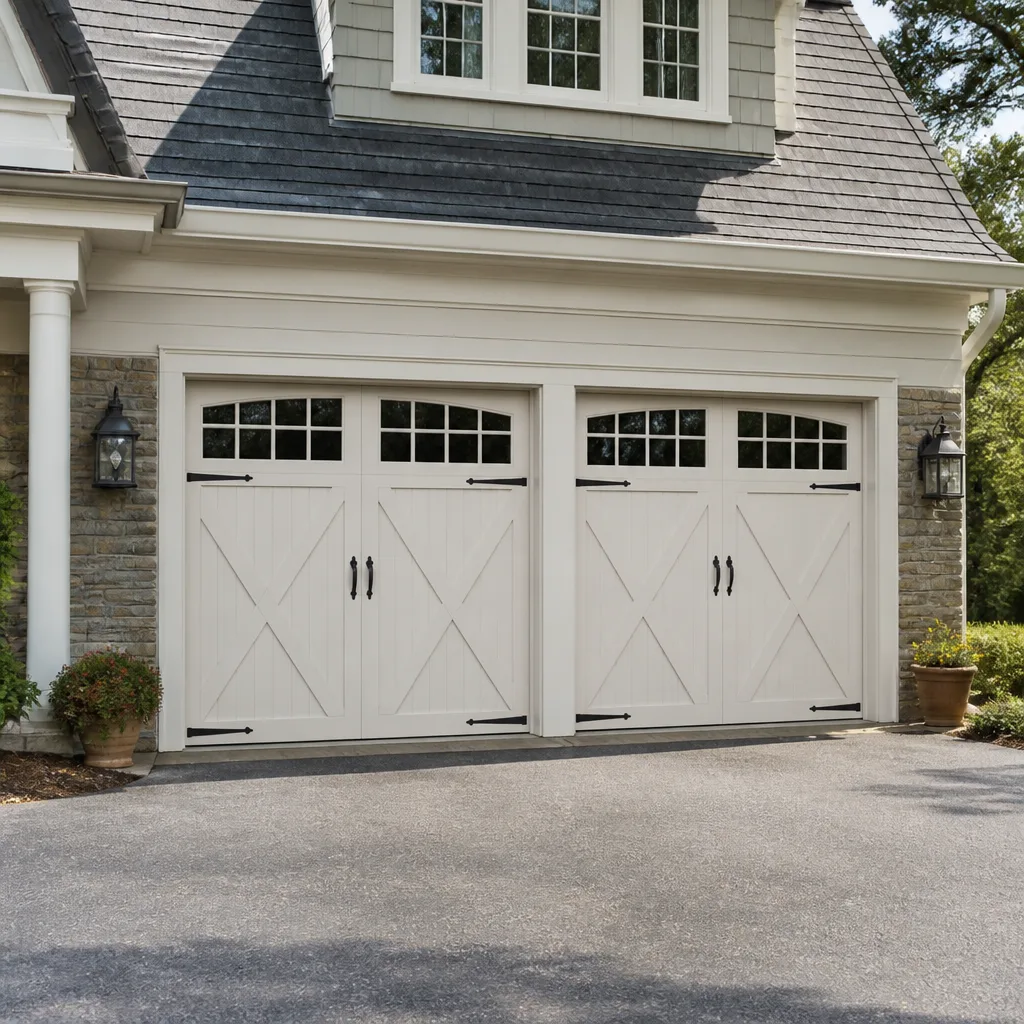 Carriage house
 Modern flush
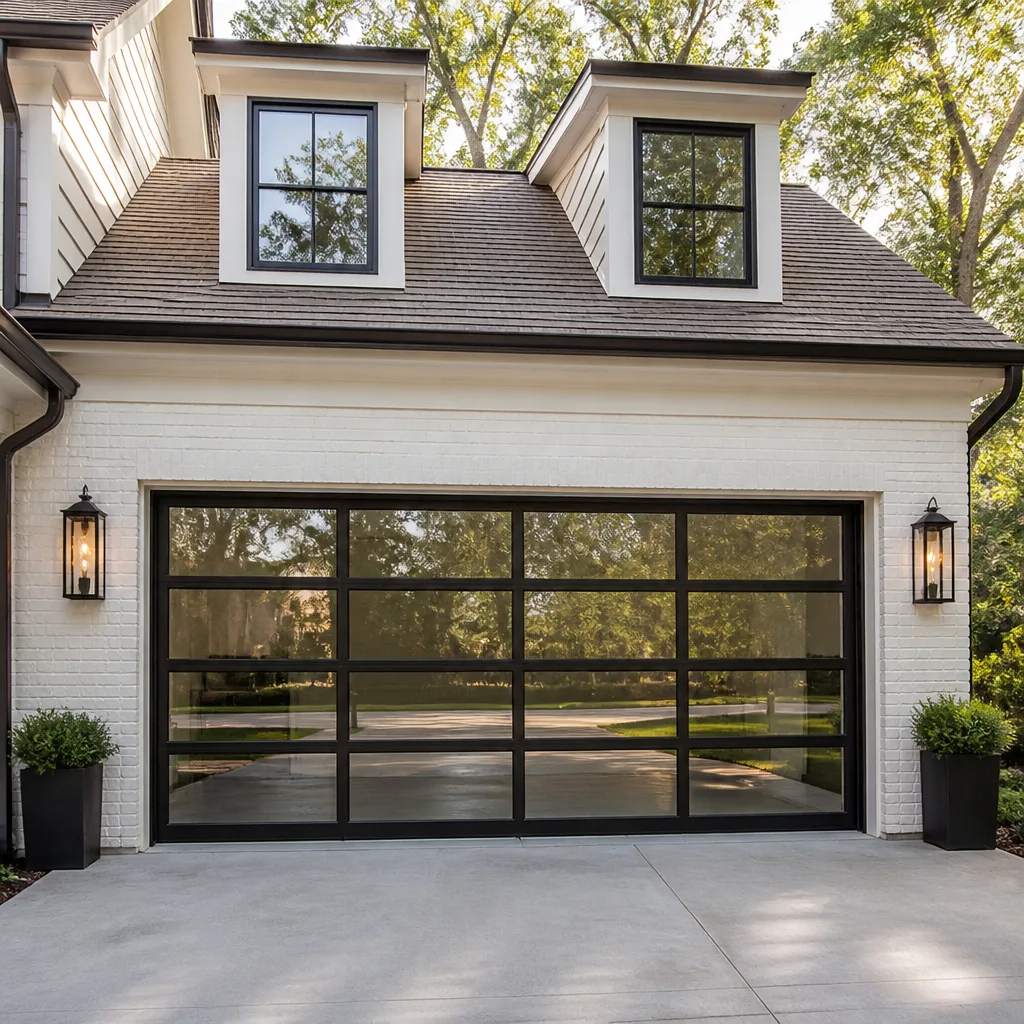 Full-view glass
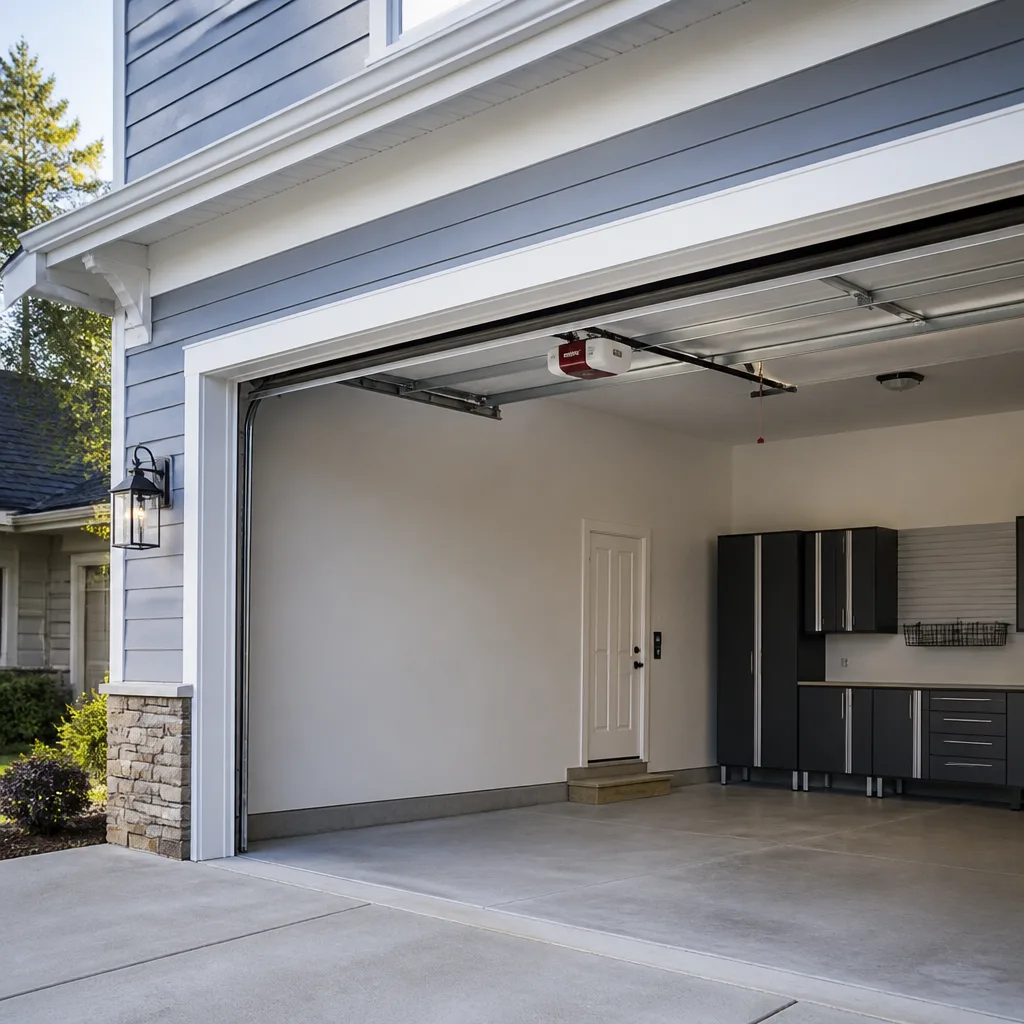 LiftMaster openers
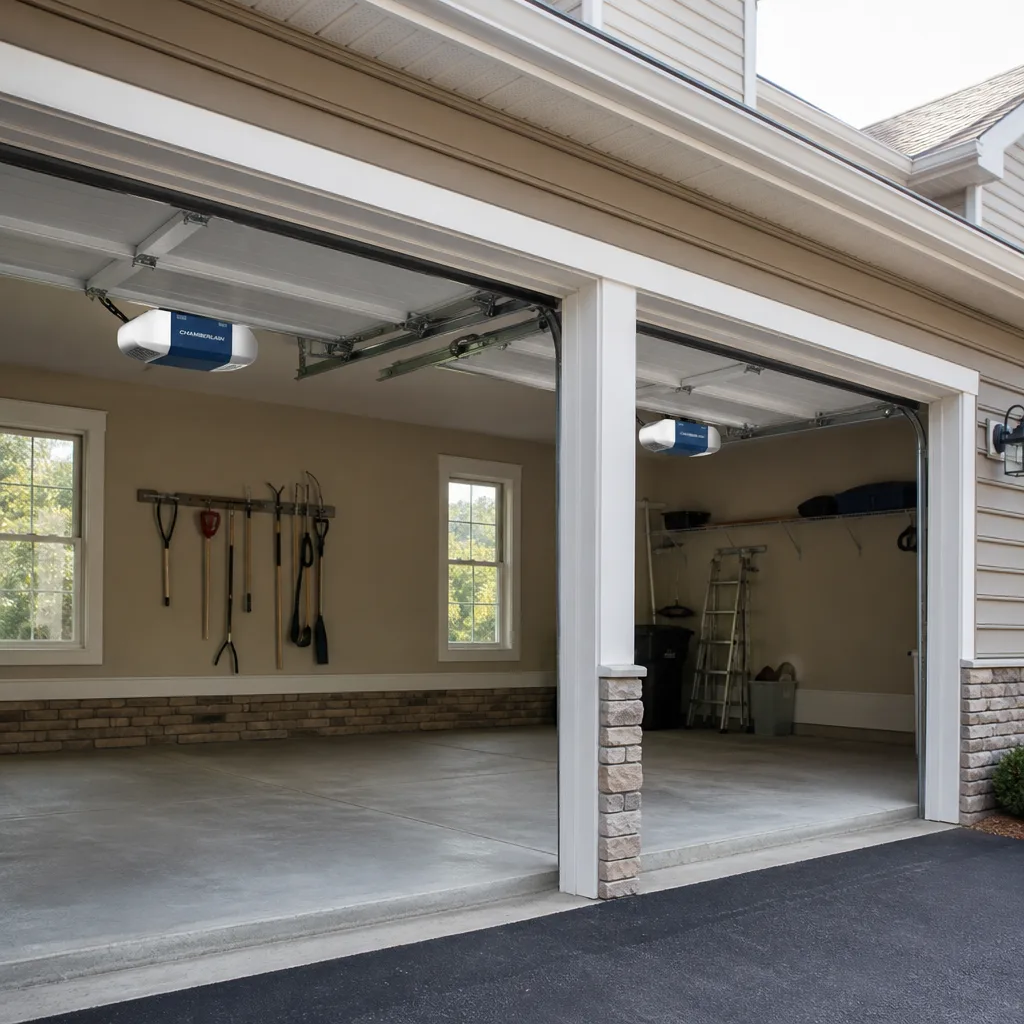 Chamberlain openers
Full 25-point door and opener safety check with every visit - springs, cables, rollers, tracks, and your LiftMaster or Chamberlain opener included
You get a price before we start. It does not change when the truck arrives.
Get your free estimateGarage Door Permits, Codes & Inspections in TX: What You Need to Know
In 2023, a Fort Worth homeowner in the Ryan Place neighborhood listed their house on a Thursday. By Monday, they were under contract. Two weeks later, the deal died. The buyers’ inspector flagged the garage door, replaced two years earlier, and asked for the permit. There wasn’t one. The seller had assumed a garage door swap was like replacing a faucet. It wasn’t, and it cost them the sale, six weeks of carrying costs, and a $900 retroactive permit fee from the City of Fort Worth. This guide maps out exactly when Texas code requires a permit for garage door work, what inspections actually check, and how to avoid standing at closing with a problem you didn’t know you owned. For garage door warning signs every Fort Worth homeowner should know, see our companion resource.
Styles & brands we work with
Quick Answer
Most garage door replacements in Texas do NOT require a permit, provided the door is a like-for-like swap with no structural, electrical, or fire-rating changes. Permits become necessary in Fort Worth when the opening size changes, the header or framing is modified, electrical components (openers, sensors, wiring) are added or altered, or the door serves as a fire-rated barrier between a garage and living space. When in doubt, the City of Fort Worth Development Services department determines requirements under Chapter 6 of the International Residential Code (IRC), which Texas adopted statewide.
Table of Contents
- When Does a Garage Door Need a Permit in Texas?
- Fort Worth Permit Thresholds: What the City Actually Enforces
- Wind-Load Requirements for Fort Worth Garage Doors
- Fire-Rated Garage Doors Under Texas Residential Code
- How Unpermitted Garage Door Work Shows Up at Sale Time
- Questions to Ask Any Contractor Before Work Starts
- What a Garage Door Inspection Covers: The Full Checklist
- Common Mistakes to Avoid
- When to Call a Professional
- Frequently Asked Questions
- The Bottom Line
When Does a Garage Door Need a Permit in Texas?
Texas uses the International Residential Code as its baseline for one- and two-family dwellings, and Chapter 6 of the IRC specifically governs wall construction, including garage door openings. The short version: a permit is required when the work changes the structure, the electrical system, or the fire separation rating of the home. A straight swap of a sectional door on the existing track, using the same opening, generally falls outside permit requirements in most Texas municipalities, including Fort Worth. But the exceptions are more common than homeowners think.
Here’s what triggers a permit in Texas for garage door work:
- Opening size changes: Widening, heightening, or otherwise altering the rough opening requires a structural permit. This means cutting into load-bearing walls or modifying the header, which must be engineered and inspected.
- New electrical work: Installing a new garage door opener where none existed, running new circuits, or adding outlets for opener motors requires an electrical permit. Replacing an existing opener on an existing circuit typically does not.
- Fire-rated door replacement: If your existing door carries a fire-resistance label because it separates the garage from conditioned living space, replacing it with a non-rated door is a code violation. In Texas, the IRC requires a 20-minute fire-rated door or equivalent separation between a garage and the dwelling.
- Structural modifications: Any change to the header, jambs, or supporting framing around the door opening pulls you into permit territory.
- New construction or additions: Any garage door installed as part of new construction, an addition, or a garage conversion requires permits as part of the broader project.
In our experience at Garage Door Repair in Fort Worth, maybe one in twenty residential replacements we quote actually needs a permit. The ones that do usually involve homeowners who want a taller door for an SUV or truck, or who are converting a carport into an enclosed garage. Those projects are fundamentally different from a like-for-like swap, even though they look similar from the driveway.
The Texas Department of Licensing and Regulation also plays a role here. Garage door technicians who install or repair residential doors are not required to hold a state-issued license specific to garage doors, unlike electricians and plumbers. That means the onus for pulling permits falls squarely on the homeowner, unless the contractor explicitly agrees to handle it. We’ll come back to why that question matters.
Fort Worth Permit Thresholds: What the City Actually Enforces
The City of Fort Worth Development Services department enforces the 2021 International Residential Code with local amendments. For garage doors specifically, Fort Worth takes a practical approach: like-for-like replacements do not require a standalone building permit. The city’s residential permit guide does not list “garage door replacement” as a permit-required activity when the door fits the existing opening and no electrical or structural changes occur.
Here’s how the Fort Worth process works when a permit IS required:
- Determine the permit type: Structural changes fall under a building permit. Electrical changes fall under an electrical permit. Both are issued through the City of Fort Worth’s Accela Citizen Access portal.
- Submit plans if required: For structural modifications like widening an opening, you’ll need engineered drawings showing the new header size, load path, and connection details. The city reviews these for compliance with IRC Chapter 6 and Fort Worth’s wind-load amendments.
- Schedule inspections: Fort Worth requires a rough-in inspection before the new header or framing is covered, and a final inspection after the door is installed and operational. Electrical work gets its own rough and final electrical inspections.
- Pay the fees: Fort Worth building permit fees for minor residential alterations typically run between $75 and $250, depending on the valuation of the work. Electrical permits are similar. Retroactive permits, when work was done without one, cost more.
One Fort Worth-specific nuance: the city’s minimum permit threshold. Work valued under $500 in labor and materials generally does not require a building permit, which covers most basic garage door spring and cable repairs. But that threshold is for repair work, not replacement of a door on an altered opening. If you’re cutting framing, the valuation threshold does not apply. Structural work always needs a permit, regardless of cost.
Neighborhoods matter here too. Fort Worth’s historic districts, including Fairmount, Ryan Place, and parts of the Near Southside, have additional oversight through the Historic and Cultural Landmarks Commission. If your home sits in a designated historic district, even a garage door replacement that would otherwise be permit-exempt may require a Certificate of Appropriateness. The city wants to preserve the architectural character of these neighborhoods, and a modern aluminum door on a 1920s Craftsman bungalow will draw attention. In our experience serving Fort Worth, we’ve seen homeowners in Fairmount required to swap out brand-new doors that didn’t match the district’s design guidelines.
And then there’s the matter of counties. If you live in unincorporated Tarrant County rather than inside Fort Worth city limits, the permitting picture changes. Unincorporated Tarrant County has its own development services department with different thresholds. A Garage Door Spring Repair in Fort Worth customer in unincorporated Tarrant County told us last year that their county permit office required a permit for a door replacement that Fort Worth proper would have waved through. The lesson: check your specific jurisdiction, not just “Texas.”
Wind-Load Requirements for Fort Worth Garage Doors
Texas is serious about wind. The state sits in a hurricane and tornado corridor, and Fort Worth has experienced its share of severe weather, most notably the 2000 tornado that tore through downtown. The IRC assigns wind speed design values by geographic location, and Fort Worth falls in a zone requiring garage doors to resist substantial wind pressures. For homes in Tarrant County, the design wind speed is typically 115 mph for Risk Category II structures under the current code.
What does this mean for your garage door? Wind-load rated doors are engineered and tested to remain in place and functional under specified wind pressures. A non-rated door might buckle, blow in, or blow out during a severe storm. When a garage door fails during a wind event, the sudden pressure change inside the garage can lift the roof and cause catastrophic structural damage. That’s not theoretical. After Hurricane Ike in 2008, insurance adjusters across Texas documented hundreds of homes where garage door failure led to total roof loss.
Here’s what the code requires in Fort Worth:
- Wind-load rated doors: All new garage doors installed in Fort Worth must be rated for the local design wind speed. This applies to new construction and to replacement doors when a permit is required for structural reasons.
- Documentation: The door manufacturer must provide wind-load certification documentation. Brands like Clopay and Amarr publish wind-load ratings for each of their door models, and these ratings are specific to door size. A 16-by-7 door might carry a different rating than a 9-by-7 door of the same model.
- Reinforcement options: Some doors achieve wind-load compliance through added reinforcement struts or stiffer gauge steel. Others are engineered from the start. The key is that the installed door, with all components, meets the rating. A wind-load rated door with the wrong track or hardware does not meet code.
- Storm corridors: Homes in identified storm corridors, including many parts of Fort Worth and surrounding Tarrant County communities, face stricter scrutiny. The city’s building inspectors verify wind-load documentation during the final inspection on permitted jobs.
For a like-for-like replacement where no permit is required, the wind-load question still matters, even if the city never looks at it. Your insurance company will. After a wind damage claim, adjusters frequently ask for documentation that the replacement door met local wind-load requirements. If you buy the cheapest non-rated door from a big-box store and it fails in a storm, your claim can be denied. We’ve seen this in Fort Worth after spring storm seasons where hailstorms and straight-line winds tear through neighborhoods like Wedgwood and TCU-area homes.
Practical takeaway: when you replace a garage door in Fort Worth, ask for the wind-load documentation, even if no permit is required. Any reputable installer working in this market should provide it without hesitation. If the company cannot produce wind-load ratings for the door they’re selling you, walk away.
Fire-Rated Garage Doors Under Texas Residential Code
Section R302.5 of the Texas-adopted IRC addresses the separation between a garage and the dwelling. The intent is simple: garages contain cars, gasoline, paint cans, lawn chemicals, and other combustible materials. If a fire starts in the garage, the code gives occupants time to get out before it spreads into the living space. The code requires that the wall and ceiling between an attached garage and the home be separated by not less than 1/2-inch gypsum board, and the door opening between the garage and the house must be a solid wood door at least 1-3/8 inches thick, a solid or honeycomb-core steel door, or a 20-minute fire-rated door.
But here’s the part most homeowners miss: the requirement extends to the garage vehicle door in specific situations. The IRC does not require the overhead vehicle door itself to carry a fire rating in standard single-family construction. The fire separation applies to the walls, ceiling, and the pedestrian door between the garage and the house. The overhead door can be a standard non-rated door.
That changes when the garage sits below living space, as in a split-level or a home built into a slope where bedrooms sit over the garage. In those conditions, the floor-ceiling assembly between the garage and the living space above must meet a fire-resistance rating, and the garage door may be part of that assembly depending on the configuration. Texas amendments to the IRC also require fire-rated separation in certain townhome and duplex configurations where garages from adjacent units share a wall.
If your home has a fire-rated garage door, it will carry a label or certification mark from a recognized testing laboratory. Look for a label from Underwriters Laboratories (UL) or Intertek on the door panel or frame. Replacing that door with a non-rated equivalent is a code violation that an inspector will catch. In Fort Worth, we’ve encountered fire-rated doors most commonly in homes built into hillsides in neighborhoods like Monticello and Crestline, where the garage sits partially below grade.
If you’re unsure whether your existing door is fire-rated, check the paperwork from when it was installed, look for the rating label, or call the manufacturer with the serial number. Clopay and Amarr both make fire-rated residential doors, and their customer service teams can verify what you have. When we quote replacements as part of Garage Door Cable Repair in Fort Worth, we always check for fire-rating labels before recommending a replacement door. It’s a 30-second check that prevents a code violation.
How Unpermitted Garage Door Work Shows Up at Sale Time
The Ryan Place seller from the opening of this guide learned the hard way. But how does an unpermitted garage door replacement get discovered in the first place? It’s rarely the door itself. It’s the paper trail around it.
Here’s how unpermitted work surfaces during a real estate transaction in Fort Worth:
- The home inspection: A thorough inspector compares the garage door, opener, and electrical work against the seller’s disclosure statement and the county’s permit records. A new LiftMaster opener with fresh Romex running across the garage ceiling when no electrical permit exists on file is a red flag. Most inspectors in Tarrant County now check permit history electronically before the inspection.
- The title search and seller’s disclosure: Texas sellers complete the Seller’s Disclosure Notice, which asks about improvements and repairs. A garage door replacement should be listed as a material improvement. If it’s not disclosed, and the buyer’s agent pulls permits and finds none, questions start.
- The appraisal: Appraisers evaluating a home with a recently widened garage door opening or a converted carport will note the modification. If the county records show a two-car carport but the appraiser finds a finished two-car garage, that discrepancy goes in the report.
- The lender’s requirements: FHA and VA loans have property condition requirements. Unpermitted structural work can hold up or kill these loans entirely. Fort Worth has a substantial VA population given the city’s military connections, and VA appraisers are trained to flag unpermitted modifications.
What does remediation cost at sale time? The Fort Worth retroactive permit process is more expensive than pulling the original permit. Expect to pay 1.5 to 2 times the standard permit fee, plus the cost of any corrective work the city requires after inspection. If the inspector finds that the unpermitted work also fails code, which happens more often than not, the seller is looking at replacing the door, the framing, or the electrical work. A $1,200 garage door replacement can become a $5,000 to $8,000 remediation before the closing table. And that’s before factoring in carrying costs, lost time, and a buyer who may simply walk.
In Fort Worth’s competitive market, where homes in neighborhoods like Arlington Heights and Bluebonnet Hills move quickly, the smart play is to resolve permit issues before listing. Retroactive permitting while the house is still yours is cheaper, faster, and less stressful than negotiating repairs under contract.
Questions to Ask Any Contractor Before Work Starts
The single most revealing question you can ask a garage door contractor is this: “Will you pull the permit if one is required?” The answer tells you almost everything about how they operate.
A contractor who says “There’s no permit needed for this,” and can explain why, is either right or wrong, but at least they’ve thought about it. A contractor who says “We don’t pull permits” has just told you they’ll do unpermitted work when it suits them, and you’ll be the one holding the liability. A contractor who says “We’ll check with the city and let you know,” is doing the job correctly.
Here’s the full list of questions we recommend every Fort Worth homeowner ask before garage door work begins, drawn from our Garage Door Repair Maintenance Checklist for Fort Worth Homeowners:
- “Is a permit required for this specific job in the City of Fort Worth?” A good contractor can answer this immediately based on the scope of work.
- “Who pulls the permit, you or me?” If they say they’ll handle it, get that in writing in the quote.
- “Does this door carry a wind-load rating for Tarrant County?” If they cannot produce documentation, reconsider.
- “Is my existing door fire-rated, and does the replacement need to be?” They should check for the rating label before quoting.
- “What’s your process if the city inspector flags something?” The answer tells you how they handle problems.
- “Will you handle the permit inspections and be present for them?” Some contractors expect the homeowner to meet the inspector. That’s a red flag.
- “Is all this included in my written price before work starts?” At Marlow, every quote includes all permit fees, inspection scheduling, and documentation. If it’s not in the written price, it’s not part of the job.
The pattern in Fort Worth is consistent. Contractors who pull permits when required, who document wind-load ratings, and who show up for inspections are the same contractors who show up on time, answer the phone, and stand behind their work. The contractors who wave off permits are the same ones who disappear when something goes wrong. The question is a proxy for everything else.
What a Garage Door Inspection Covers: The Full Checklist
When the City of Fort Worth sends an inspector for a permitted garage door job, or when a home inspector reviews a garage door during a real estate transaction, here’s what they check. We see these inspections on both sides: when we complete permitted work for our Marlow Garage Door Repair Fort Worth home customers across the metro, and when our customers are buying or selling homes.
The City of Fort Worth Final Inspection Checklist
- Permit documentation: The inspector verifies the permit is active, posted on site, and matches the work being done.
- Header and framing integrity: For structural modifications, the inspector checks the header size, bearing, and connection details against the approved plans.
- Wind-load documentation: On permitted replacements, the inspector asks for the manufacturer’s wind-load certification for the specific door size and model installed.
- Fire-rating compliance: Where applicable, the inspector verifies the installed door carries the required fire-rating label.
- Electrical safety: For opener installations, the inspector checks that wiring is properly secured, outlets are GFCI-protected where required, and the opener’s auto-reverse safety feature functions correctly.
- Door operation: The door must open and close smoothly, balance correctly when disconnected from the opener, and reverse when it encounters resistance.
- Weather sealing: Exterior door edges should have proper weatherstripping to prevent water intrusion.
A home inspection during a real estate transaction is similar but broader. Home inspectors in Tarrant County typically test the door’s balance point, check the photo-eye sensors, verify the manual release works, inspect the springs and cables for wear, and note whether the door operates within acceptable noise limits. They also check for the permit trail on recent work.
One detail we consistently see inspectors flag in Fort Worth: openers installed without dedicated outlets. The IRC requires a separate, non-switched 120-volt outlet in the garage for the opener. Running an extension cord from the wall outlet to the opener violates code and shows up on inspection reports. We’ve lost count of how many Fort Worth homes we’ve serviced where a previous owner or handyman installed an opener on an extension cord. It’s a $150 to $300 fix that becomes a negotiation point at closing.
Common Mistakes to Avoid
- Assuming every garage door replacement is permit-free. Most are, but the exceptions are structural, electrical, or fire-rating related. If any of those three touchpoints changes, Fort Worth expects a permit. Check with the city before you cut anything.
- Buying the cheapest door with no wind-load documentation. In Fort Worth’s wind zone, a non-rated door is a liability. Insurance companies flag these after claims, and buyers’ inspectors flag them before closing. Always get wind-load documentation in writing.
- Letting a handyman modify the garage door opening. Widening a garage door opening means cutting into load-bearing structure. This is not a handyman job. It requires engineering, a permit, and inspections. Every year, Fort Worth building officials see DIY header failures that compromise the wall above the garage.
- Replacing a fire-rated door with a standard door. If your garage sits below living space or your home has a fire-rated separation requirement, swapping the door without checking the rating is a code violation. Inspectors and insurers both catch this.
- Not asking who pulls the permit. Too many homeowners assume the contractor handles it. Too many contractors assume the homeowner handles it. The result: nobody pulls the permit, and the problem surfaces at closing. Ask the question and get the answer in writing.
- Ignoring Fort Worth’s historic district requirements. Fairmount, Ryan Place, and Near Southside homes have additional oversight. A Certificate of Appropriateness may be required for a door replacement that would otherwise be permit-exempt. The city enforces this, and neighbors report violations.
- Waiting until the house is under contract to resolve permit issues. Retroactive permits are more expensive, and negotiating with a buyer who has leverage is worse. Resolve permit questions before you list. You’ll save money and stress.
When to Call a Professional
If your garage door project involves structural changes, electrical work, or fire-rated components, this is not a weekend DIY project, and in most cases, the city won’t allow you to do the work yourself without a homeowner permit and inspections. Even like-for-like replacements benefit from a professional who understands spring tension, track alignment, and wind-load requirements. Torsion springs carry enough stored energy to cause serious injury or death if mishandled. Never attempt spring repair or replacement yourself.
When you’re ready to talk specifics, Marlow Garage Door Repair Fort Worth offers free estimates throughout Fort Worth, and we answer the permit question honestly on every job, including whether the work you’re planning actually needs one. Call (682) 432-0305 for a written price before any work starts.
Frequently Asked Questions
In most cases, no, provided you’re replacing a door with a like-for-like unit in the same opening with no structural, electrical, or fire-rating changes. In Fort Worth, permits become necessary when the opening size changes, framing is modified, new electrical work is added, or a fire-rated door is involved. Always verify with the City of Fort Worth Development Services before proceeding. Call (682) 432-0305 if you want a straight answer on your specific job.
Yes. Fort Worth’s design wind speed under the current IRC means all new and replacement garage doors should carry a wind-load rating for Tarrant County, typically 115 mph for standard residential structures. Insurance companies increasingly require this documentation after storm damage claims. Ask your installer for the manufacturer’s wind-load certification for your specific door size.
Fort Worth building permit fees for minor residential work typically range from $75 to $250, with electrical permits in a similar range. Structural modifications requiring plan review may cost more. Retroactive permits for work done without authorization typically run 1.5 to 2 times the standard fee. Call (682) 432-0305 for an exact quote that includes all permit costs.
It can. Home inspectors in Tarrant County compare visible work against permit history. New openers, modified openings, or recently replaced doors with no permit trail are common inspection flags. Unpermitted structural work can also delay or kill FHA and VA financing. Remediation costs at sale time typically exceed what the original permit would have cost.
Yes. Fort Worth’s historic districts, including Fairmount, Ryan Place, and parts of the Near Southside, require a Certificate of Appropriateness for exterior changes that would otherwise be permit-exempt. The city enforces design guidelines to preserve neighborhood character, and non-compliant doors may need to be replaced. Check with the Historic and Cultural Landmarks Commission before ordering a door in a designated district.
You can, but the electrical work must meet the IRC requirement for a dedicated, non-switched 120-volt outlet in the garage. Extension cords are a code violation and a common inspection finding. If you’re running new wiring, an electrical permit is required through the City of Fort Worth. For most homeowners, professional installation is the practical choice. Get a written price before work starts by calling (682) 432-0305.
The Bottom Line
Most garage door replacements in Fort Worth do not require a permit, but the exceptions are specific and consequential. Structural changes to the opening, new electrical work, fire-rated door replacements, and homes in historic districts all pull you into the City of Fort Worth permitting process. Wind-load documentation matters regardless of permits because your insurance company and the next buyer’s inspector will both ask for it. The right contractor answers the permit question honestly before work starts and includes all fees in a written price. The wrong contractor waves it off and leaves you holding the liability at closing. Ask the question. Get the answer in writing. And call (682) 432-0305 if you want a straight answer on your specific Fort Worth garage door project.
Written by Jaylen Ross, Owner at Marlow Garage Door Repair Fort Worth, serving Fort Worth since 2002. Browse more guides & resources for Fort Worth homeowners.
See the difference
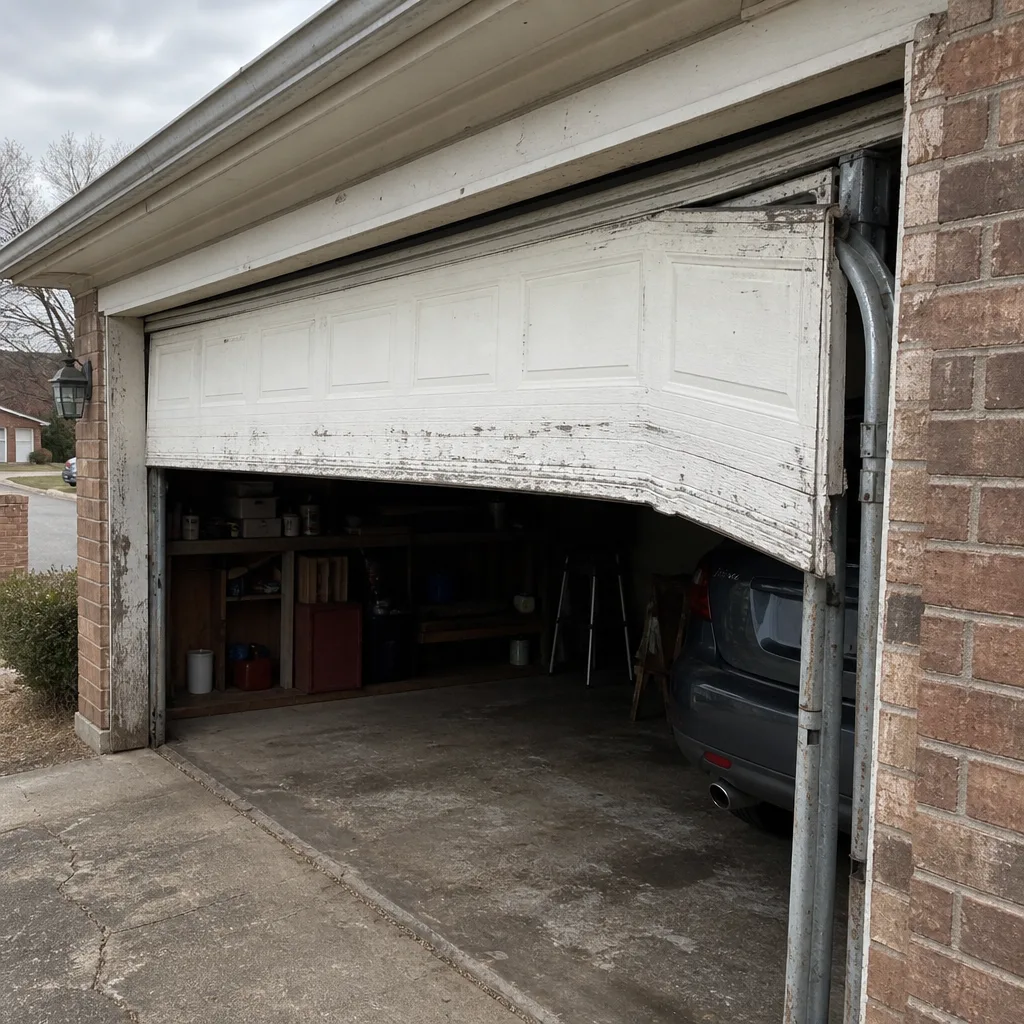 Before
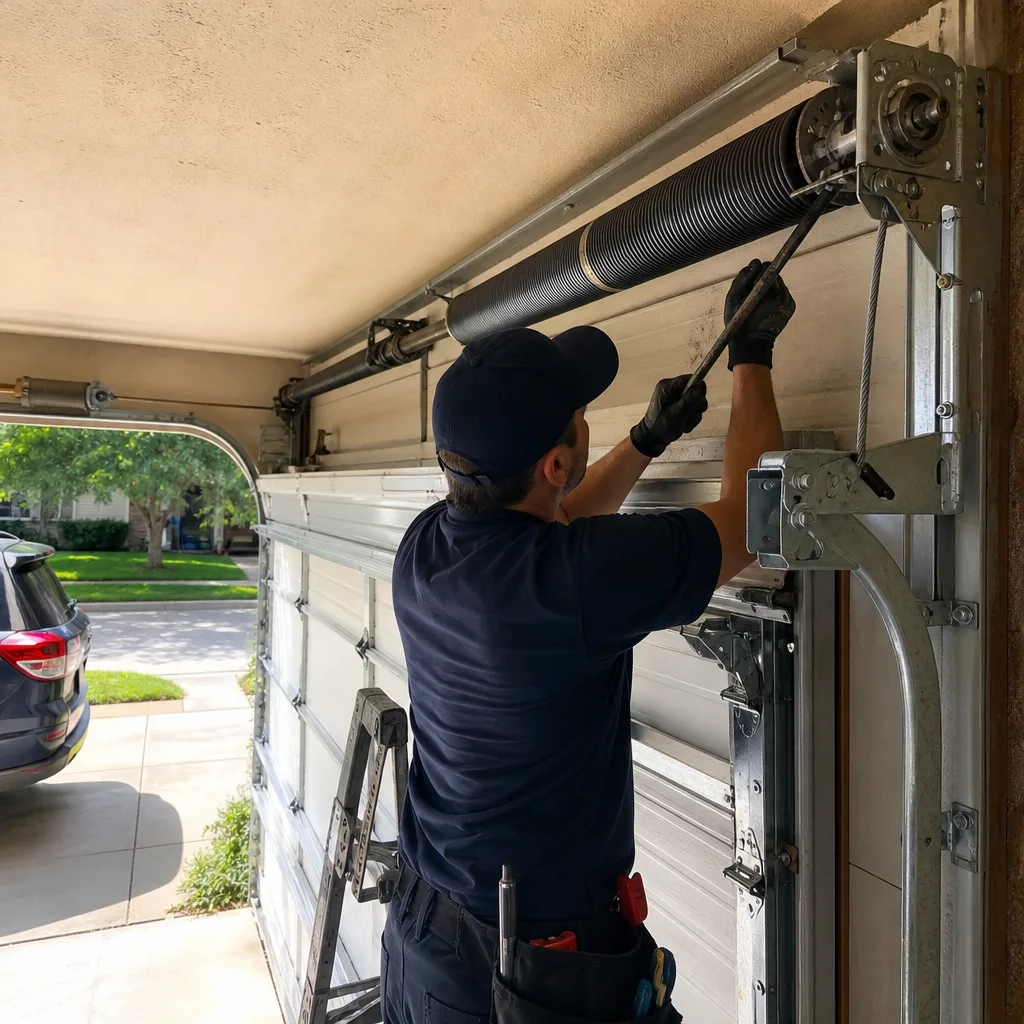 After
After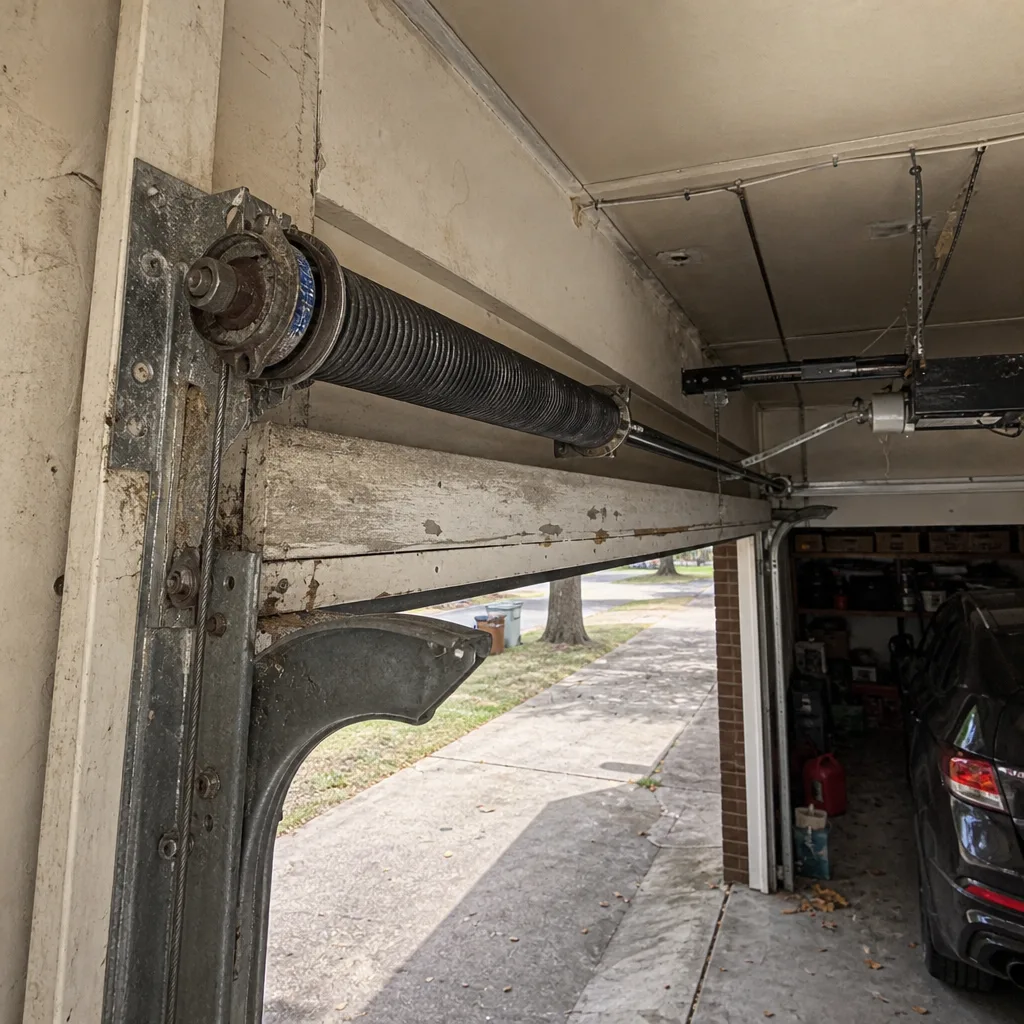 Before
 After
After Before
 After
After