
Last updated October 16, 2026
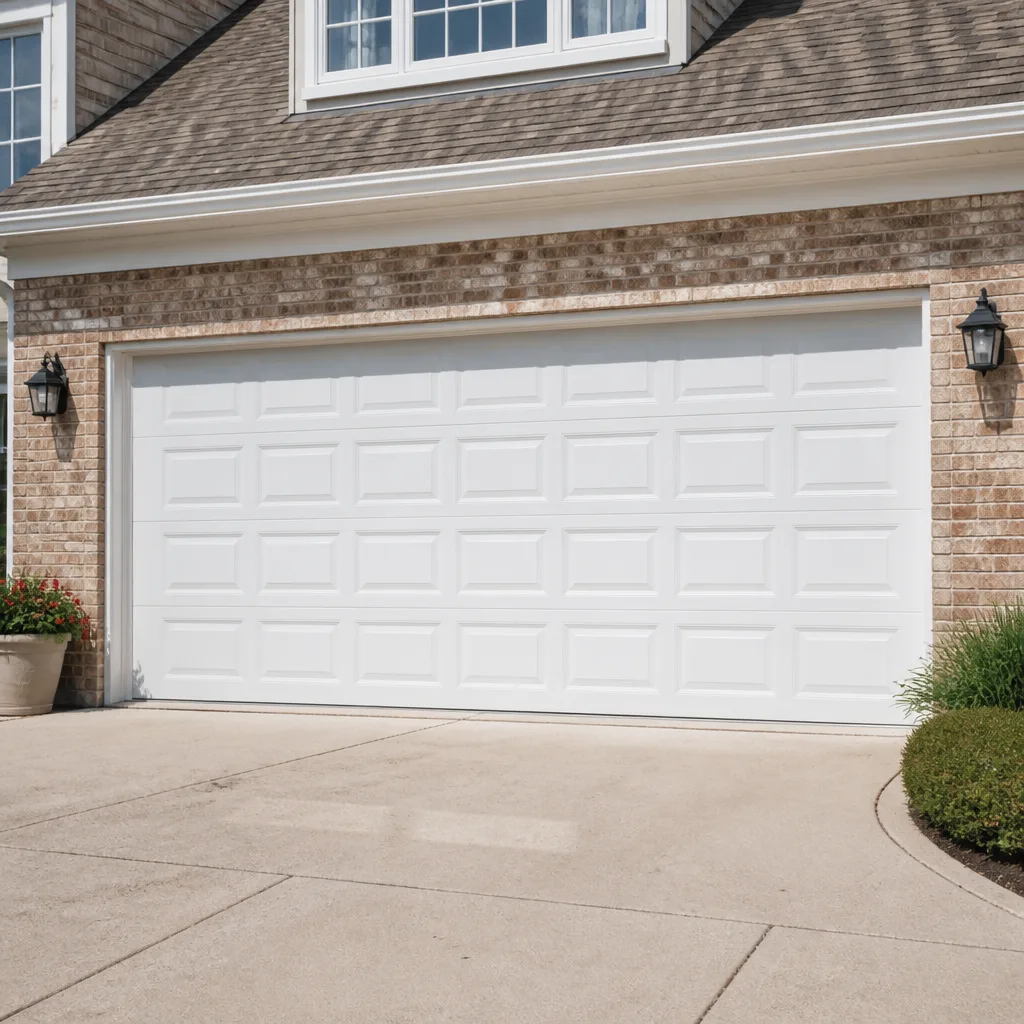 Raised-panel steel
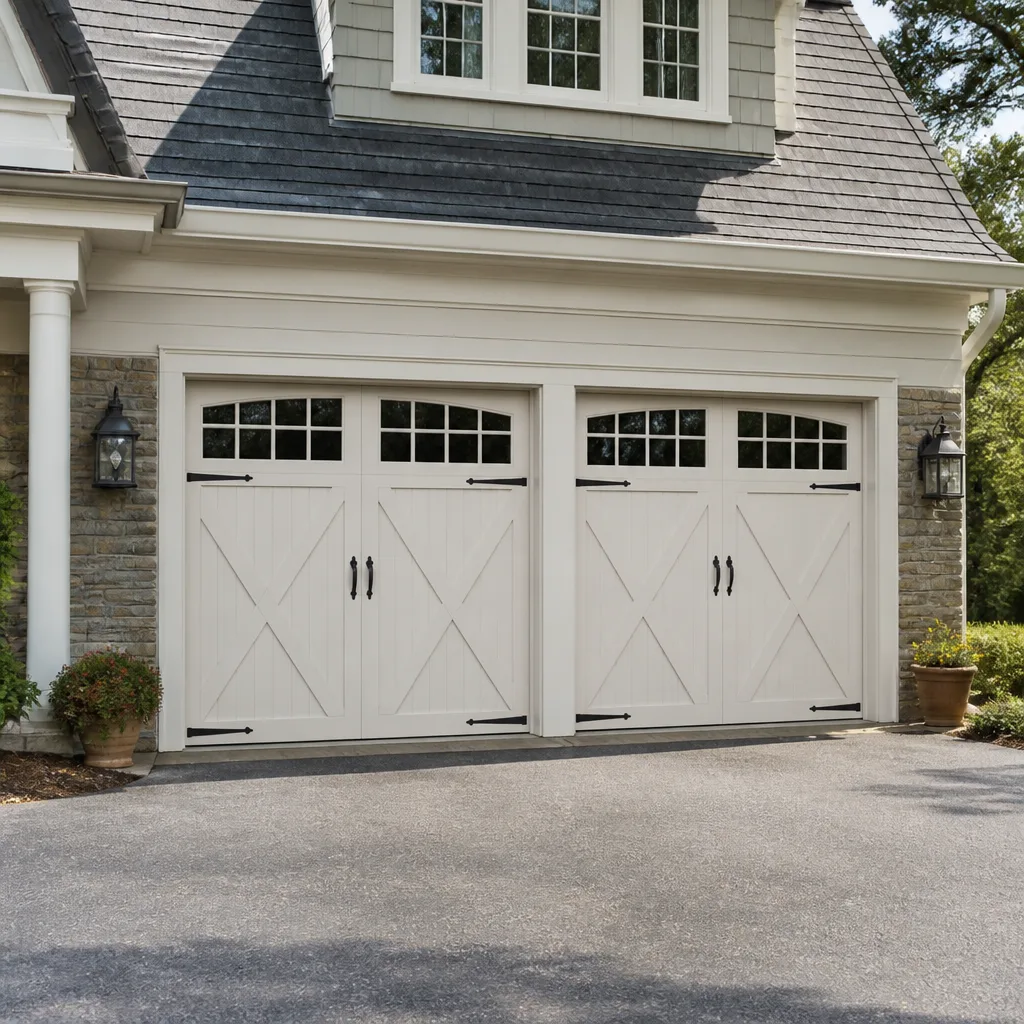 Carriage house
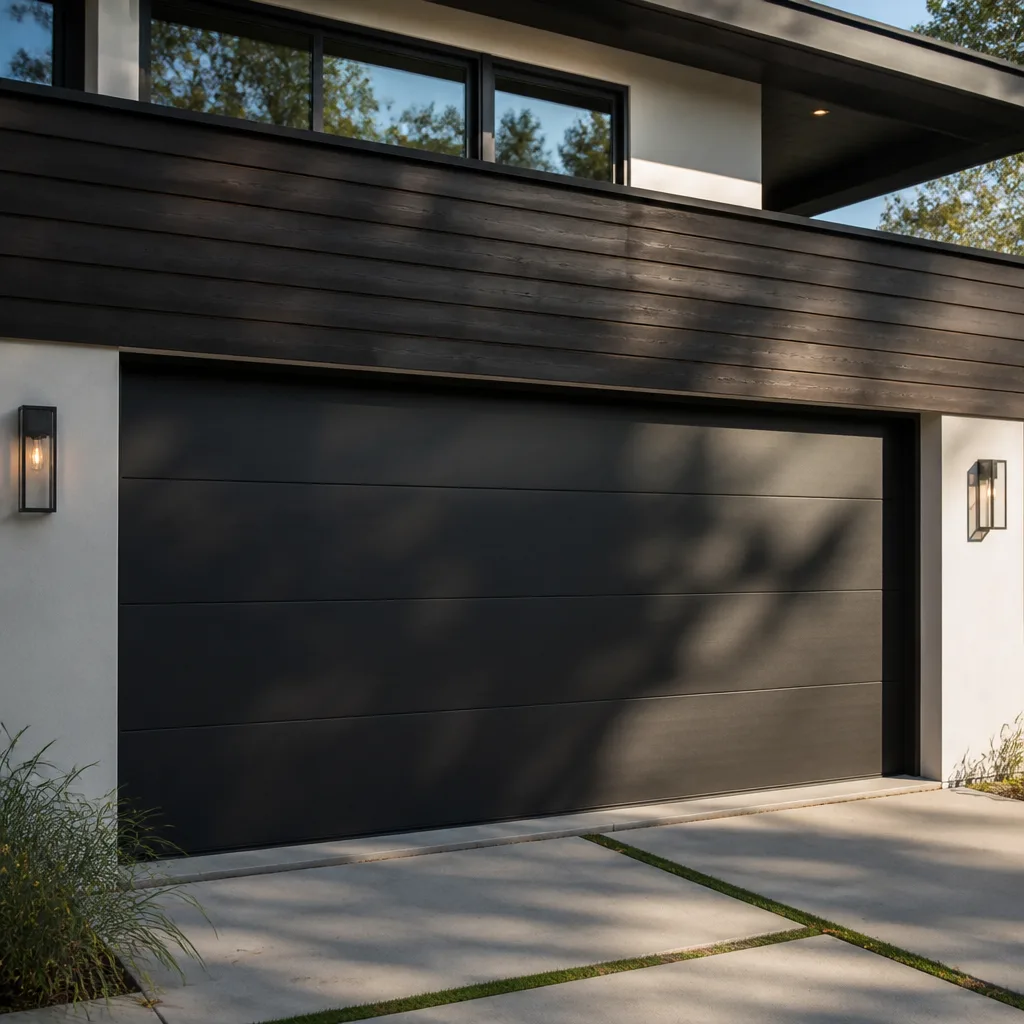 Modern flush
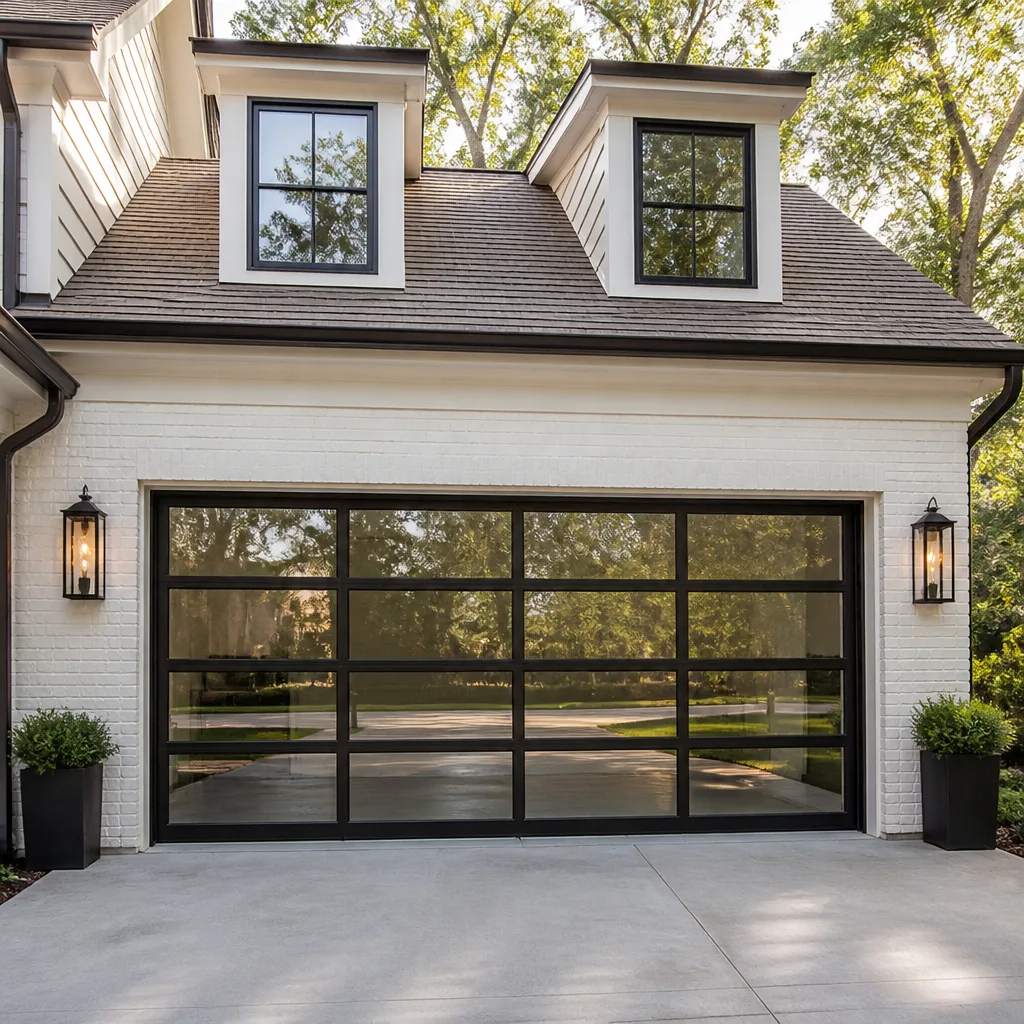 Full-view glass
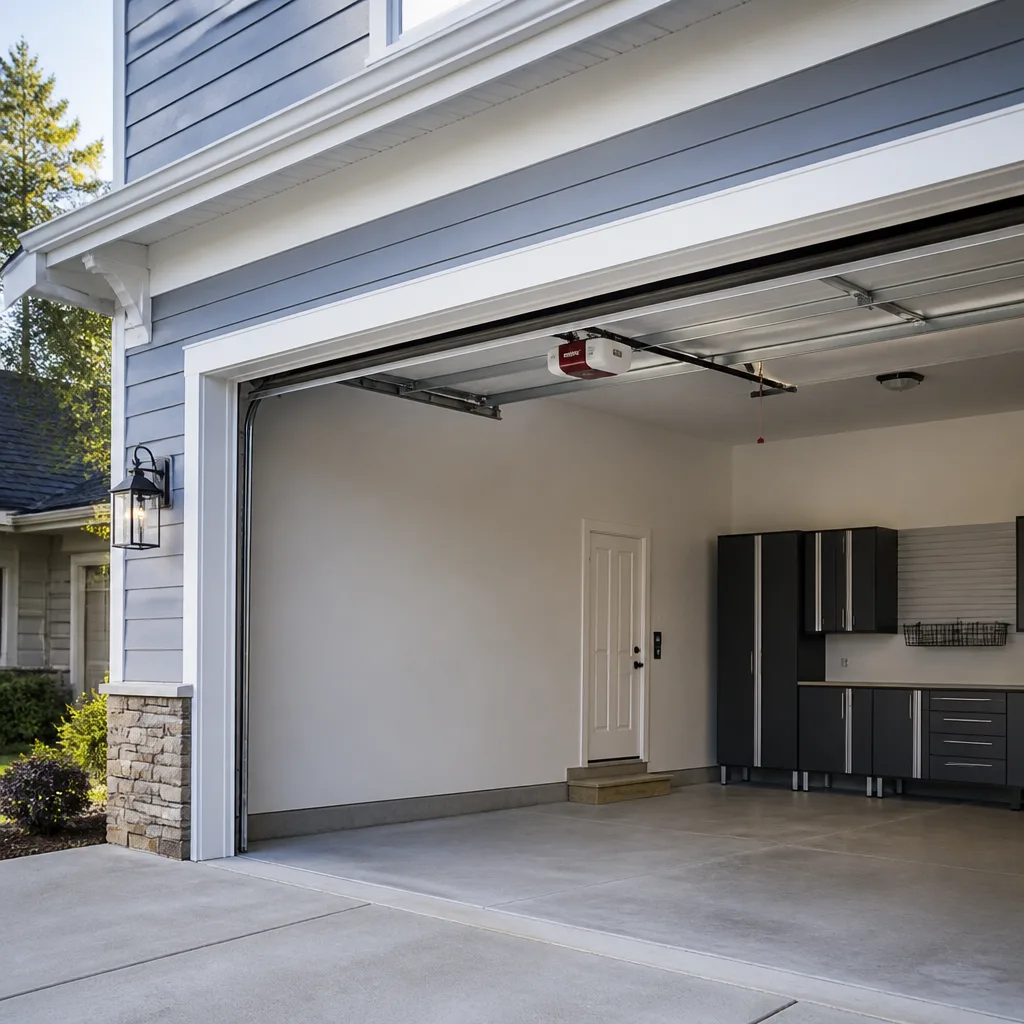 LiftMaster openers
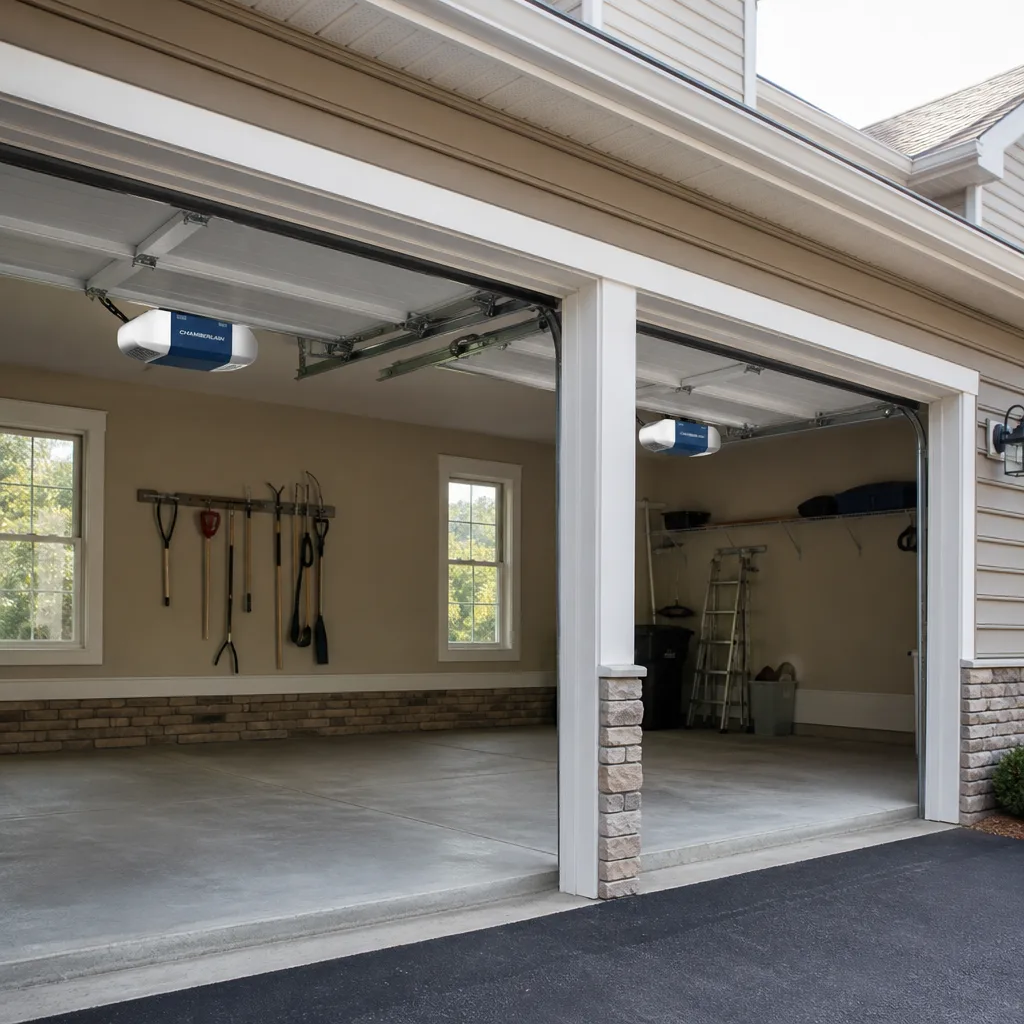 Chamberlain openers
Full 25-point door and opener safety check with every visit - springs, cables, rollers, tracks, and your LiftMaster or Chamberlain opener included
You get a price before we start. It does not change when the truck arrives.
Get your free estimateSeasonal Garage Door Care for Fort Worth: Year-Round Homeowner’s Guide
Fort Worth averages 37 days per year above 100°F, which is enough sustained heat to expand metal tracks by a measurable fraction of an inch – enough to cause binding that homeowners routinely misdiagnose as a broken opener. We see it every summer: someone in Wedgwood or Arlington Heights calls us convinced their motor is shot, when the real issue is a track that swelled just enough to pinch the rollers. This guide is built around Fort Worth’s actual climate calendar: heat, storm season, and two brief shoulder periods. No filler, no generic seasonal advice that works for Minneapolis but means nothing here. You’ll learn exactly what your door needs, what the weather is genuinely doing to it, and which tasks take ten minutes versus which ones require a pro.
Quick Answer
Seasonal garage door care in Fort Worth means adjusting your maintenance to the region’s real weather pattern: hail-damage checks in spring, thermal expansion and heat-stress checks in summer, weather-seal replacement in the fall, and torsion-spring tension awareness during brief winter freezes. Most homeowners can handle monthly photo-eye cleaning, visual track inspections, and seal checks themselves. Spring replacement, cable work, and any repair involving high-tension components should be left to a trained technician from Marlow Garage Door Repair Fort Worth home.
Styles & brands we work with
Table of Contents
- Fort Worth’s Real Seasons: Heat, Storms, and Two Shoulder Months
- Spring (March – May): Post-Storm Hail Damage Protocol
- Summer (June – September): Thermal Expansion and Heat Stress
- Fall (October – November): The Pre-Freeze Seal Window
- Winter (December – February): Torsion Springs in Sub-Freezing Temps
- Year-Round: Dust, Pollen, and Photo-Eye Sensors
- Monthly Maintenance Checklist That Actually Fits Fort Worth
- Common Mistakes to Avoid
- When to Call a Professional
Fort Worth’s Real Seasons: Heat, Storms, and Two Brief Shoulder Months
Any garage door care guide that tells you to “prepare for winter” in September was written for a different city. Fort Worth has a climate unlike most of the country. We don’t have four equal seasons. We have a long, punishing summer, a spring that doubles as severe-weather season, and a fall that lasts roughly six weeks before the first freeze arrives. Winter is real but short, and it’s the rapid temperature swings that do the damage, not sustained cold.
Here’s the breakdown of what Fort Worth weather actually does to garage door hardware:
- March through May: Severe thunderstorm and hail season peaks. Hailstones in Tarrant County routinely hit 1 to 2 inches in diameter, which is big enough to dent steel panels and tear vinyl weather seals.
- June through September: Average highs sit in the mid-90s, with 37 days annually topping 100°F. Steel tracks expand. Opener motors run hot. Lubricants that work in mild climates either burn off or turn to sludge.
- October through November: A brief window of mild weather. This is when you do sealing and prep work before the first freeze, which typically lands in late November or early December.
- December through February: Freezing temperatures arrive, usually in short bursts. The swing from 70°F one afternoon to 25°F the next morning is what stresses torsion springs and causes seal failures.
Understanding this pattern matters because maintenance timing is everything. Do the wrong task at the wrong time and you’ve wasted a Saturday. Do the right task at the right time and you prevent 90% of the failures we see on service calls across Fort Worth.
Spring (March – May): Post-Storm Hail Damage Protocol
After the first major hail event of the year, most Fort Worth homeowners check their roof and car. The garage door is usually an afterthought. That’s a mistake. Your door is the largest moving object on your home’s exterior, and it faces the same storms as everything else. Hail damage to garage doors is extremely common in Fort Worth, and catching it early prevents bigger problems down the line. Here’s the step-by-step protocol we recommend after any significant storm:
Here’s your post-storm inspection checklist:
- Stand back and look for dents at eye level first. Hail damage on steel doors shows up as circular dimples, often concentrated on the upper panel. If you see more than a handful of dents per panel, the door’s structural integrity may be compromised and a full panel replacement is worth considering.
- Check the weather seals at the bottom and sides. Hail tears vinyl seals and leaves gaps. A torn bottom seal in Fort Worth means dust, pollen, and eventually moisture get into your garage. Even a small gap lets in enough air to affect your home’s energy efficiency come summer.
- Test the door’s balance. Pull the emergency release cord and manually lift the door halfway. If it stays put, the springs are fine. If it drops or feels heavy, hail impact may have shifted the track and put extra load on the springs.
- Inspect the photo-eye sensors near the floor. Storm debris, mud splash, and displaced gravel can knock them out of alignment. A misaligned sensor is the most common reason a door won’t close after a storm.
- Run the door through a full open-close cycle twice. Listen for grinding, rattling, or uneven movement. If anything sounds off, it’s worth having a technician look before the problem compounds in summer heat.
Spring is also the season when we see a spike in Garage Door Repair in Fort Worth calls from homeowners who ignored post-storm damage until the door stopped working entirely. Hail dents don’t usually stop a door from operating by themselves, but they weaken the panel structure. Once summer heat arrives and the metal expands and contracts repeatedly, those dents become stress points that can eventually crack or warp.
Summer (June – September): Thermal Expansion and Heat Stress
Here’s the Fort Worth-specific problem most garage door guides never mention: your steel tracks are expanding in the heat. A 16-foot residential track can grow by roughly 1/8 to 1/4 inch when temperatures climb from 70°F to 105°F. That’s enough to cause binding, especially if the track was installed with tight clearances or has shifted slightly over years of use. We regularly see cases in older Fort Worth neighborhoods like Ridglea Hills and TCU-Westcliff where doors that worked flawlessly in spring suddenly start binding, sticking, or reversing mid-cycle in July. The homeowner assumes the opener is dying. In reality, it’s thermal expansion plus a track that was already slightly out of alignment.
Here’s what to check during Fort Worth’s brutal summer months:
- Watch for mid-cycle reversal. If the door starts closing and then reverses back up, the tracks may have expanded enough to trigger the opener’s force-sensing safety feature. This is the #1 summer-specific symptom.
- Listen to the opener motor. Excessive heat makes opener motors work harder. If yours sounds strained, runs longer than normal, or has a humming sound with no movement, the motor may be overheating. Let it cool down and test again; if it still struggles, call a tech.
- Re-apply lubricant, but choose the right kind. Standard lithium grease burns off or thins out in a 110°F garage. Use a silicone-based lubricant on rollers, hinges, and tracks. White lithium works better in cooler weather; silicone handles heat better. Avoid WD-40 as a lubricant – it’s a solvent and will actually strip existing lubrication.
- Check roller wear on the bottom fixture. The bottom rollers carry the most weight and see the most heat stress. If they’re nylon, inspect for flat spots or cracking. If they’re steel, worn bearings can cause a grinding sound that gets worse in heat.
Garage door spring repair in Fort Worth also picks up in summer. High heat accelerates metal fatigue, especially on springs that are already near the end of their lifespan. Most torsion springs are rated for roughly 10,000 cycles, which translates to about 7-9 years of normal use. If your springs are closing in on that age and you’re heading into another Fort Worth summer, getting them inspected before they snap is a smart move. A spring that breaks while the door is mid-cycle can cause the door to slam shut with enough force to damage the door, the opener, or anything underneath it.
One more summer note specific to Fort Worth: dust builds up fast. Between the heat and the dry conditions, fine dust gets into everything. We’ll cover that in the year-round section below.
Fall (October – November): The Pre-Freeze Seal Window
October and November are the best months for garage door maintenance in Fort Worth. The heat has broken, but the first freeze is still a few weeks out. This is your window to do the seal work and preventive maintenance that will carry you through winter. The single most important task: inspect and replace your bottom weather seal before temperatures drop. Here’s why that matters so much here specifically. Fort Worth doesn’t stay cold for months the way northern cities do. Instead, we get a pattern of freeze-thaw cycles: temperatures dip below freezing at night, then climb back into the 50s or 60s during the day. That rapid cycling is brutal on rubber and vinyl seals. A seal that is already cracked or aging will fail completely during the first freeze-thaw cycle, leaving you with a gap that lets in cold air, dust, and even water from the sleet and freezing rain North Texas gets from time to time.
Here’s what to do during the fall shoulder window:
- Run your fingers along the bottom seal and side seals. If the vinyl is stiff, cracked, or flattened, replace it. A new bottom seal costs roughly $75 – $150 installed in Fort Worth and takes a technician about 20 minutes.
- Lubricate everything with a silicone-based product. This is the last good lubrication window before cold weather makes lubricants thicker and less effective.
- Check the balance again. Springs that are weakening lose tension gradually. If your door feels heavier than it did in spring, schedule a Garage Door Spring Repair in Fort Worth before the cold arrives. Spring replacement is a same-day job for most homes, and it’s far better to do it in 65°F weather than to wait until it snaps on a 25°F morning.
- Inspect the tracks for debris buildup. Fall in Fort Worth brings leaves, twigs, and the occasional acorn from post oaks. Debris in the track can cause binding that gets worse when metal contracts in cold air.
If you only do one seasonal maintenance task all year, make it the fall seal check. It’s the highest-value, lowest-effort preventive step for Fort Worth homes, and it makes a measurable difference in both your garage’s temperature and your energy bill during the winter months. We also recommend this fall window as the time to have Garage Door Cable Repair in Fort Worth evaluated if your cables show any signs of fraying or rust. Cold weather makes metal more brittle, and a cable that’s already compromised is far more likely to snap when temperatures drop.
Winter (December – February): Torsion Springs in Sub-Freezing Temps
Let’s clear up a common misconception: torsion springs do not “weaken” in cold weather. The steel in a torsion spring – the horizontal coil above your door that does most of the lifting – actually gets slightly stiffer in cold temperatures because metal contracts. What changes is the spring’s flexibility and the door’s overall load. Cold air is denser, which means the door itself feels slightly heavier. Combined with stiffer metal, this means a spring that was marginal in September can fail in January. We see the same pattern every winter in Fort Worth: the first sustained cold snap of the year brings a spike in spring failures, especially in doors that haven’t been inspected in years.
Here’s what actually happens to your door’s components during Fort Worth’s winter:
- Torsion springs get stiffer, not weaker. The steel becomes less elastic in cold temperatures, which makes the spring more prone to breakage if it’s already fatigued. Think of it like bending a wire coat hanger repeatedly – the metal eventually gets brittle and snaps, and cold accelerates that process.
- The opener motor has to work harder. Cold air is denser, the door is heavier, and cold rollers have more rolling resistance. An opener that’s already struggling may fail during the coldest days of the year.
- Seals contract and pull away from the floor. Even brand-new vinyl seals shrink slightly in sub-freezing temperatures. If the seal was already marginal, that small contraction is enough to create a visible gap.
- The emergency release cord can freeze to the track. This is uncommon but it happens, especially after sleet or freezing rain. A quick visual check on cold mornings takes 30 seconds and prevents a stuck door when you’re trying to leave for work.
The single overnight freeze-prep task that prevents most cold-weather failures: the night before a forecasted freeze, run your door through one full open-close cycle and watch it carefully. If you hear grinding, see uneven movement, or notice the door reversing on its own, that’s your early warning. Call before the freeze hits. The problem is far easier to fix on a Tuesday afternoon than it is on a Wednesday morning at 6:45 AM when you can’t get your car out. If a spring does snap during a freeze, the repair itself is the same as any other time of year. Spring replacement in Fort Worth typically runs $150 – $290 per spring depending on the type and size. The bigger issue is timing: nobody wants to be stuck at home waiting for a repair when the roads are icy and the whole city is dealing with the same weather.
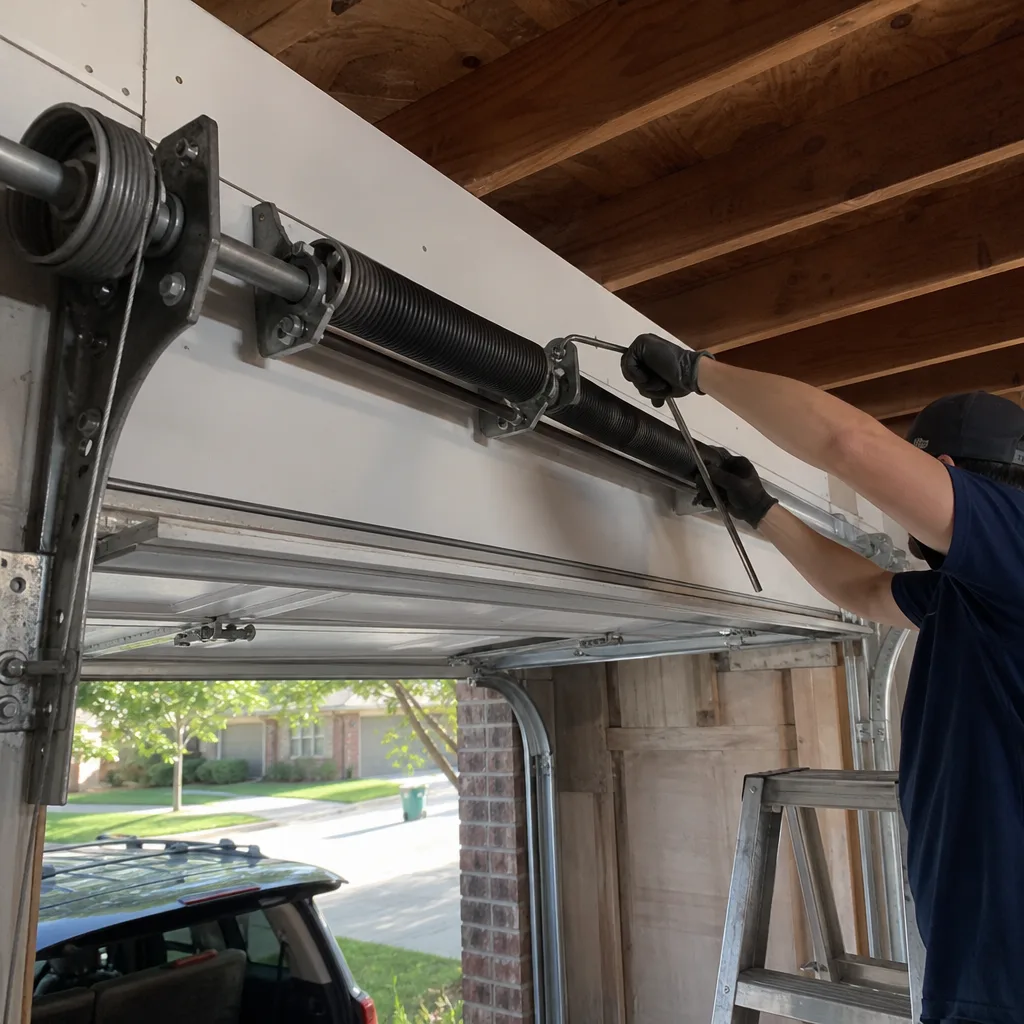
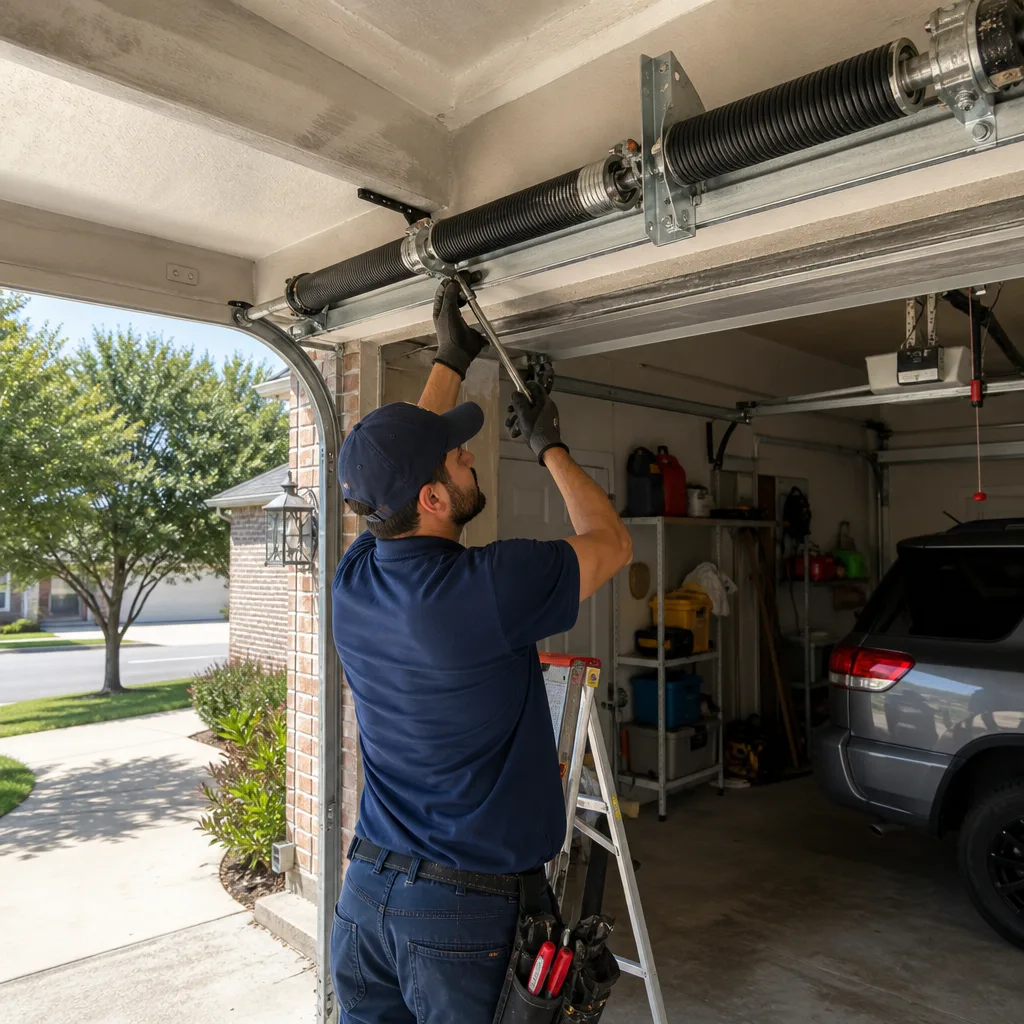
As for doing this work yourself: we strongly recommend against attempting torsion spring repair or replacement on your own. These springs are under hundreds of pounds of tension, and a single mistake can cause severe injury. This is one area where the cost of a professional from Garage Door Spring Repair in Fort Worth is cheap insurance. Every spring repair we do is backed by our 365-Day Done Right Promise: if the fix isn’t right, we make it right, free of charge, for a full year.
See the difference
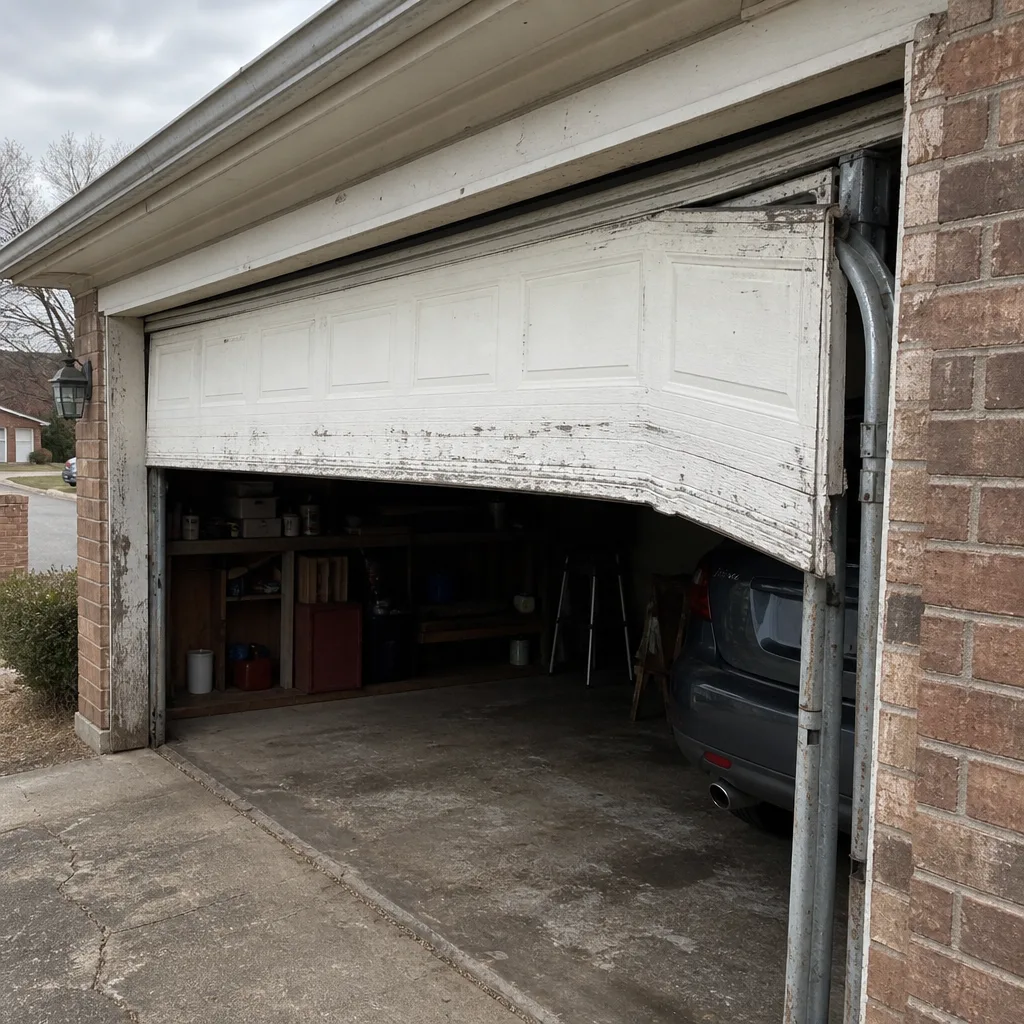 Before
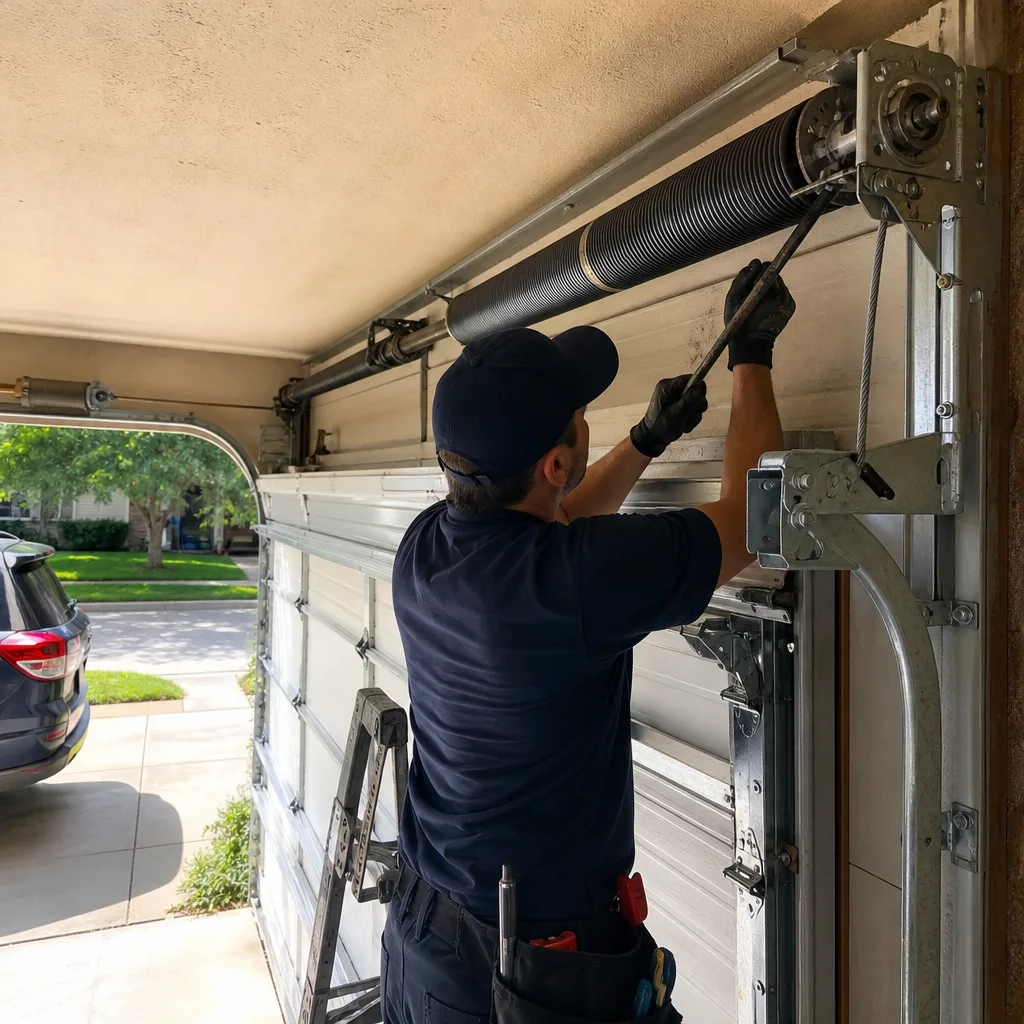 After
After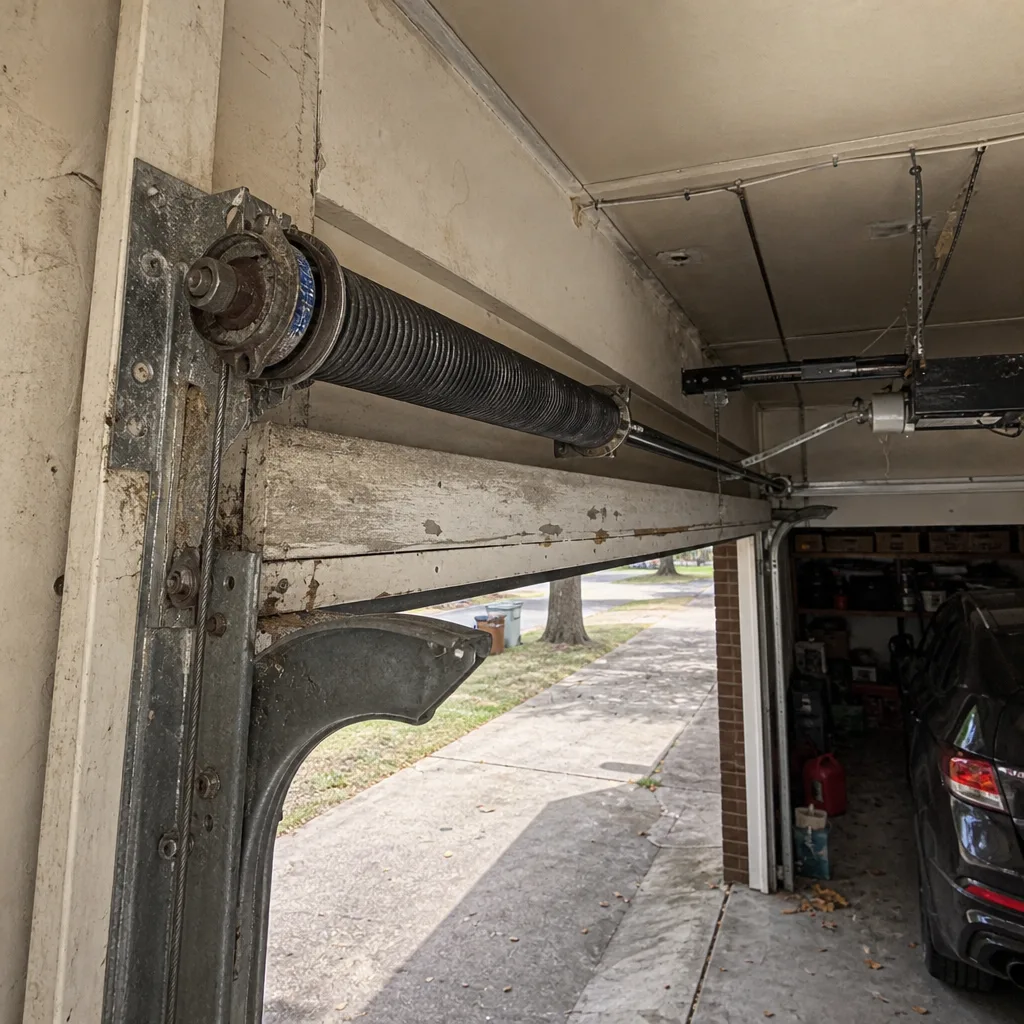 Before
 After
After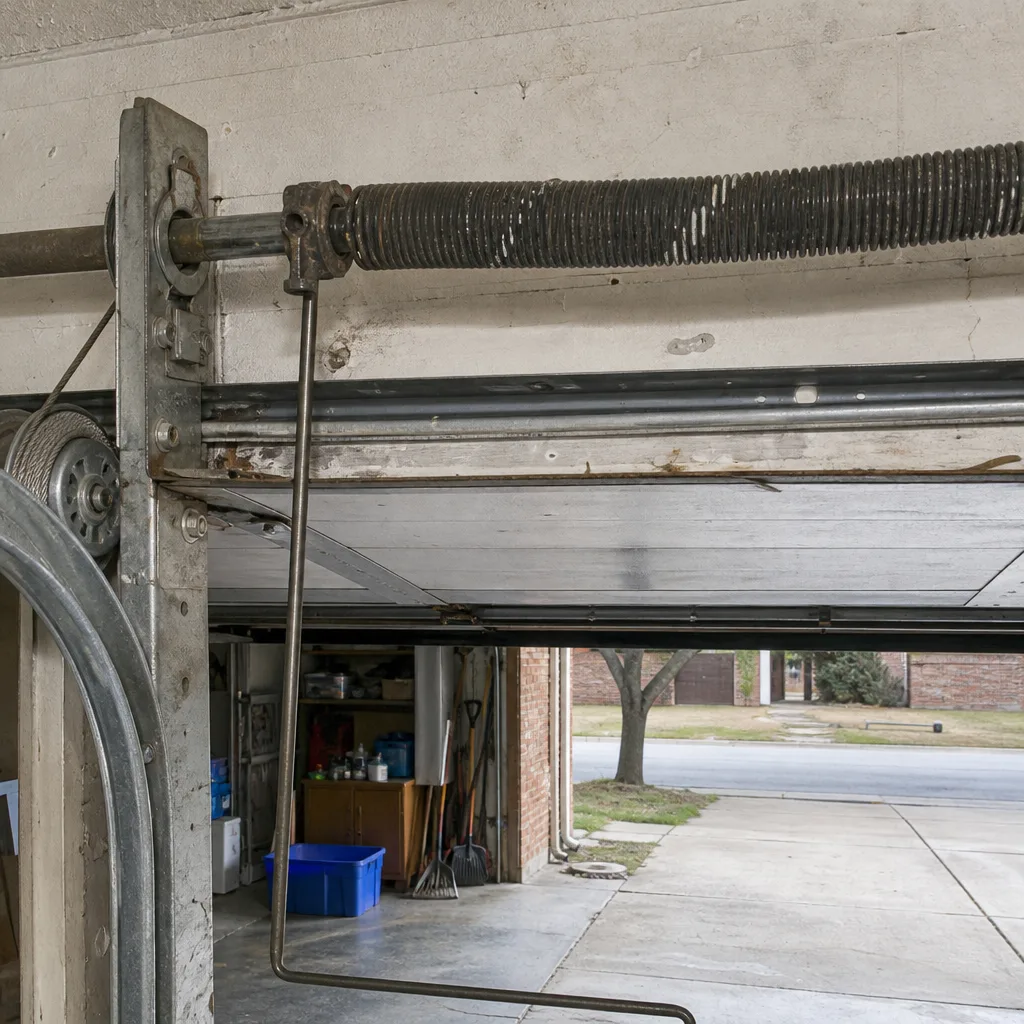 Before
 After
AfterYear-Round: Dust, Pollen, and Photo-Eye Sensors
Fort Worth has a dust problem. Between the dry climate, the clay-heavy soil, and the pollen from live oaks and mountain cedars that blankets the city in spring and fall, your garage door’s photo-eye sensors are fighting a constant battle. The photo-eye sensors are the small units mounted on each side of the door, about 6 inches off the ground. They project an invisible beam across the door’s opening; if something blocks the beam, the door won’t close. That’s the safety feature that prevents the door from closing on a child, a pet, or a car bumper.
Here’s the problem: when dust, pollen, or spider webs build up on the sensor lenses, the beam gets weak or blocking signals get triggered. The door interprets that as an obstruction and refuses to close. This is, by a wide margin, the most common non-mechanical issue we see in Fort Worth garages. The fix is simple, but most homeowners don’t know to do it. Here’s the monthly clean that prevents it:
- Wipe both sensor lenses with a dry microfiber cloth. Don’t use water or glass cleaner – they leave residue that actually attracts more dust. A dry wipe is all you need.
- Check the small indicator lights on each sensor. Both should be lit. If one is dark or flickering, the sensor is either dirty, misaligned, or has a loose wire.
- Look for anything blocking the beam path. Storage boxes, bikes, yard tools – anything that has shifted even an inch into the beam’s path will trigger a reversal.
- If the door still won’t close after cleaning, check alignment. A gentle bump from a car bumper or a kicked basketball can knock a sensor out of position. Both units should be facing each other directly.
Dust also gets into the rollers and hinges. Over time, fine dust acts like sandpaper between moving parts, wearing down bearings and creating the grinding sound that so many Fort Worth homeowners assume is a spring problem. A quick silicone spray on rollers and hinges once a month – even in summer – makes a measurable difference. If you’re doing it right, your door should operate nearly silently for years. If it’s getting louder over time, that’s wear you’re hearing, not normal operation. Jaylen Ross, the owner at Marlow Garage Door Repair Fort Worth, says the most common thing he tells homeowners is that a garage door should not be loud. “If you can hear it from inside the house, something needs attention.”
Monthly Maintenance Checklist That Actually Fits Fort Worth
Here’s the complete monthly checklist, organized by season where relevant. If you do everything on this list every month, you’ll catch most problems long before they turn into service calls.
- Every month, year-round: Wipe photo-eye sensor lenses with a dry microfiber cloth. Inspect the emergency release cord for fraying. Listen for new or worsening sounds during a full open-close cycle.
- Every month, year-round: Look for visible rust on tracks, hinges, rollers, and springs. Surface rust is mostly cosmetic in Fort Worth’s dry climate but should still be monitored. Flaking or deep pitting means replacement is coming.
- Spring (March – May): Post-storm panel inspection (see spring section above). Check bottom seal for hail tears. Test door balance after any major storm.
- Summer (June – September): Re-apply silicone lubricant every month. Watch for mid-cycle reversal, which signals thermal expansion in tracks. Monitor opener motor for signs of heat stress.
- Fall (October – November): Inspect and replace weather seals as needed. Do a full balance test. Lubricate everything before the cold weather thickens lubricants.
- Winter (December – February): Run a full open-close cycle the evening before any forecasted freeze. Check the photo-eyes for condensation on humid cold mornings.
If you’re the type of person who wants someone else to handle all of this, Garage Door Repair in Fort Worth includes a thorough multi-point inspection on every service call. We check balance, track alignment, spring condition, cable wear, opener function, and seal integrity – and we’ll give you a straight answer on what needs attention now versus what can wait.
Common Mistakes to Avoid
- Ignoring hail damage until the door stops working. Dents weaken panel structure over time, and once summer heat expands and contracts that compromised steel, small dents become cracks. The fix costs far more than a post-storm inspection would have.
- Using the wrong lubricant. WD-40 is not a lubricant – it’s a solvent that strips existing lubrication and leaves metal parts vulnerable. In Fort Worth’s heat, that means more friction, more wear, and a louder door within weeks.
- Testing the balance by opening the door fully and letting it slam shut. This is dangerous and tells you nothing. The proper test is to release the emergency cord and see how the door behaves at the halfway point.
- Dismissing mid-cycle reversal as “just a sensor issue.” In Fort Worth’s summer, reversal is often thermal expansion in the tracks, not a dirty sensor. Cleaning the sensors is fine, but if the problem persists, the tracks themselves may need adjustment.
- Waiting until the first freeze to test the door. A door that struggles on a 25°F morning was already struggling on a 70°F afternoon. Cold weather reveals existing problems; it doesn’t create them. Test your door in good weather, not bad.
- Attempting DIY spring or cable work after watching a YouTube video. Torsion springs are under 200+ pounds of tension. Cables are load-bearing. A mistake on either can cause serious injury. This is the one task where the “save money by doing it yourself” logic does not hold up.
- Forgetting the photo-eye sensors even exist. Most Fort Worth homeowners who call us about a door that “won’t close” have never once cleaned their sensor lenses. Thirty seconds of monthly maintenance prevents the most common service call in this city.
When to Call a Professional
Some garage door issues are genuinely DIY-friendly: cleaning photo-eye sensors, lubricating hinges, replacing a rubber bottom seal if you’re comfortable with hand tools. Others are not. Call a professional if your springs are visibly worn, if the door is sagging on one side, if the opener motor is making electrical or grinding sounds, if the door is binding in the tracks, or if a cable has snapped or frayed. These problems involve high-tension components and moving weight, and the risk of injury is real. If you’re in Fort Worth, Marlow Garage Door Repair Fort Worth offers free estimates with written pricing before any work begins. Call (682) 432-0305 – a live person answers 24/7, no voicemail queue.
Frequently Asked Questions
Garage door spring replacement in Fort Worth typically runs $150 – $290 per spring, depending on the spring type, size, and cycle rating. Torsion springs cost slightly more than extension springs, and higher-cycle springs that last longer carry a premium. You’ll see the exact written price before any work starts, and every spring replacement from Marlow Garage Door Repair Fort Worth is covered by our 365-Day Done Right Promise. Call (682) 432-0305 for a free estimate.
Yes, most garage door repairs in Fort Worth are same-day jobs. Spring replacement, cable replacement, photo-eye alignment, and track adjustments are all typically completed in a single visit. Marlow Garage Door Repair Fort Worth gives you a live arrival window you can track, so you’re not stuck waiting around on a vague four-hour guess. Call (682) 432-0305 to check current availability.
Heat causes the steel tracks to expand, and even a tiny expansion – an eighth of an inch or so – can cause the rollers to bind and trigger the opener’s safety reversal feature. This is extremely common in Fort Worth summers and is often misdiagnosed as a broken opener. The fix is usually a track adjustment, not a motor replacement. Call (682) 432-0305 and describe the symptom; we’ll tell you what’s likely going on before we even arrive.
Look for circular dimples concentrated on the upper panels, tears or gaps in the bottom weather seal, and any new sounds or binding during operation after a storm. Hail damage is often visible from 10 feet away in good light. In Fort Worth’s storm seasons, we recommend a full inspection after any storm that produces hail over 1 inch. Marlow Garage Door Repair Fort Worth will assess your door for free – call (682) 432-0305.
Photo-eye sensor issues caused by dust, pollen, and spider webs are the single most common problem, especially during the spring and fall pollen peaks. The sensors sit close to the ground and collect fine dust quickly. A monthly dry-wipe of both lenses prevents more service calls in Fort Worth than any other single maintenance task.
No. Torsion springs are wound under hundreds of pounds of tension, and a failed winding or an unwinding mishap can cause severe injury. The same goes for cable work – cables carry the full weight of the door. This is the one repair where professional training genuinely matters, and the cost of a trained technician is trivial compared to the risk of doing it yourself. Every Garage Door Cable Repair in Fort Worth from our team is done by a background-checked, uniformed technician and covered by our 365-Day Done Right Promise.
The Bottom Line
Fort Worth doesn’t gento the garage door care rules that work for colder or wetter climates. Your maintenance calendar should follow the city’s actual weather: post-storm hail checks in spring, thermal expansion and heat-stress monitoring in summer, seal and balance work in the fall, and pre-freeze testing in winter. Dust and pollen mean monthly photo-eye cleaning is non-negotiable. DIY maintenance is fine for cleaning, lubricating, and visual inspections, but anything involving springs, cables, or track realignment should be handled by a trained technician. Do the seasonal work when the season calls for it, and your door will operate quietly and reliably for years. If you’d rather not think about any of this, Garage Door Repair in Fort Worth includes a full inspection on every call, with written pricing before any work starts – no exceptions, no surprises.
Book your garage door service online in seconds, see your technician en route with live tracking, and get a written price before any wrench turns. Call (682) 432-0305 for a free estimate – a real person answers, 24/7.
Written by Jaylen Ross, Owner at Marlow Garage Door Repair Fort Worth, serving Fort Worth since 2002.