
Last updated October 16, 2026
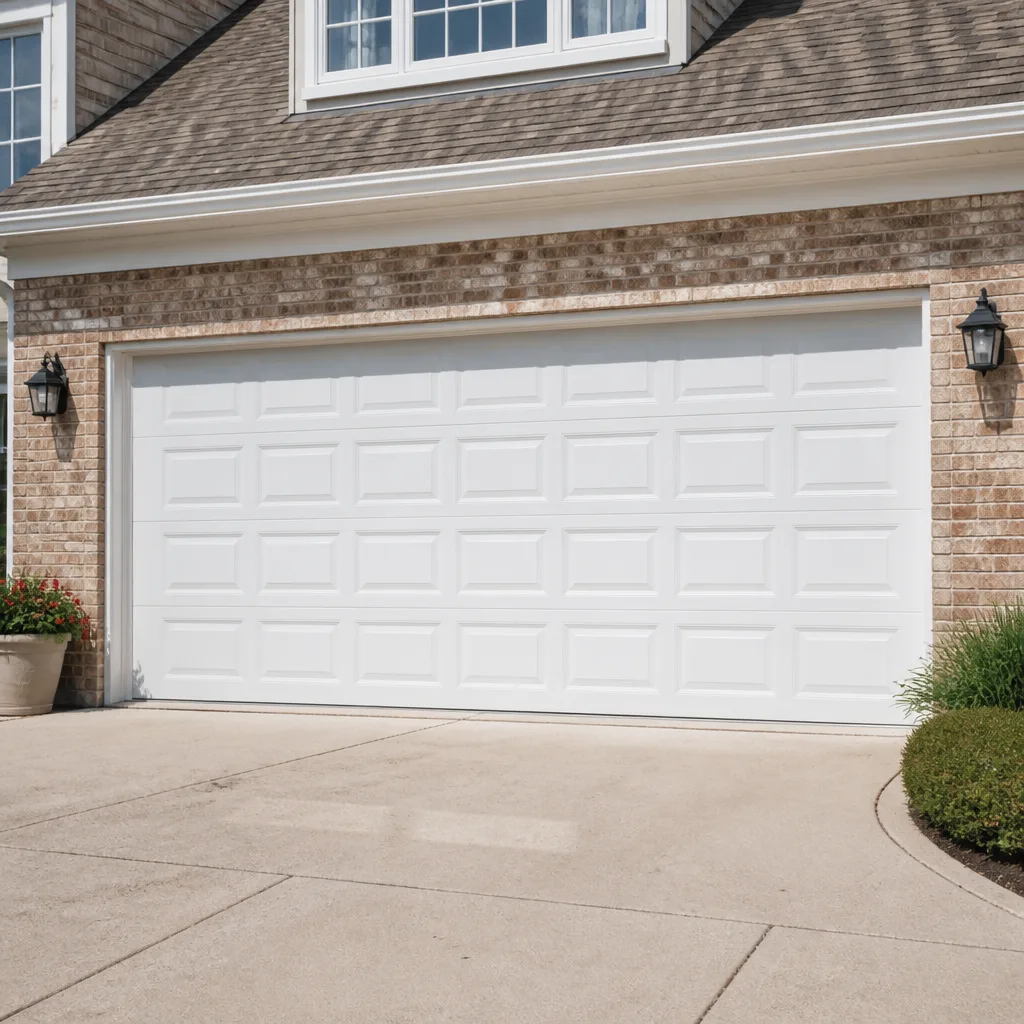 Raised-panel steel
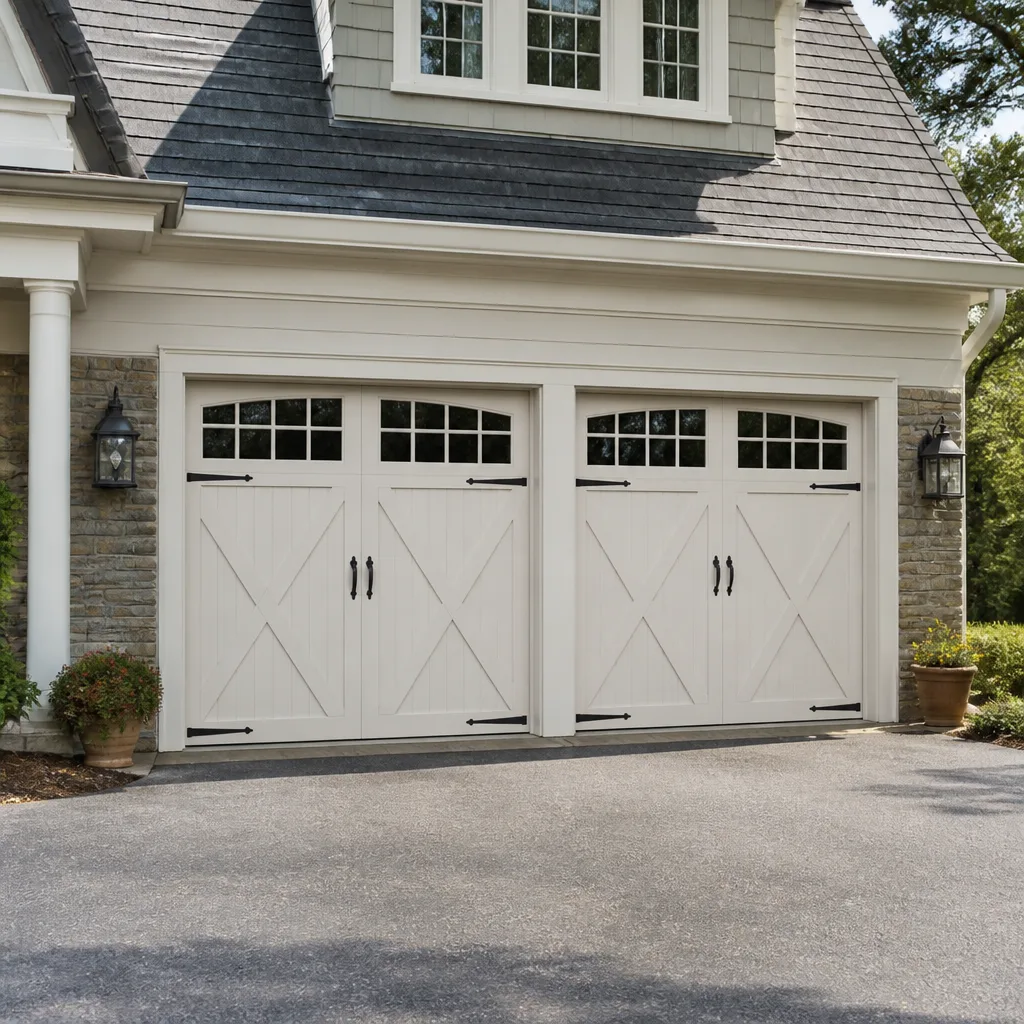 Carriage house
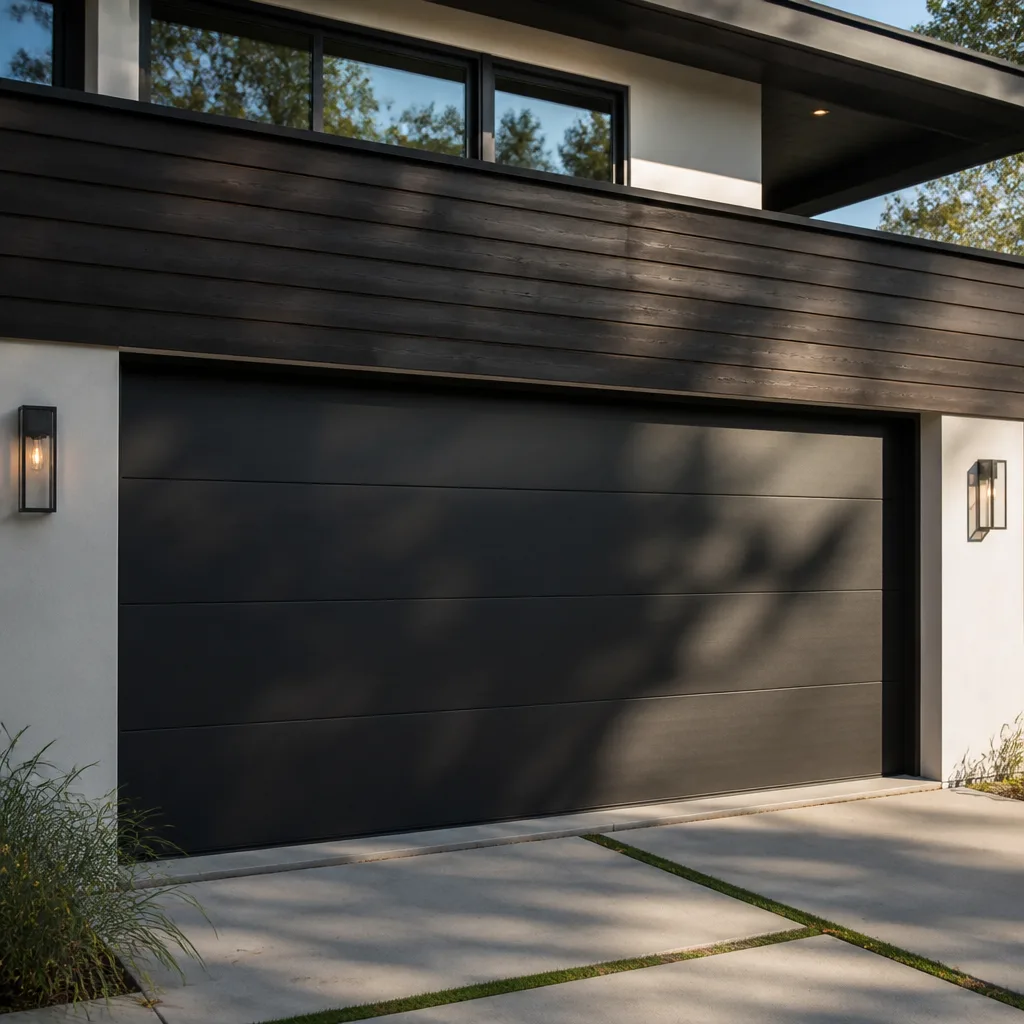 Modern flush
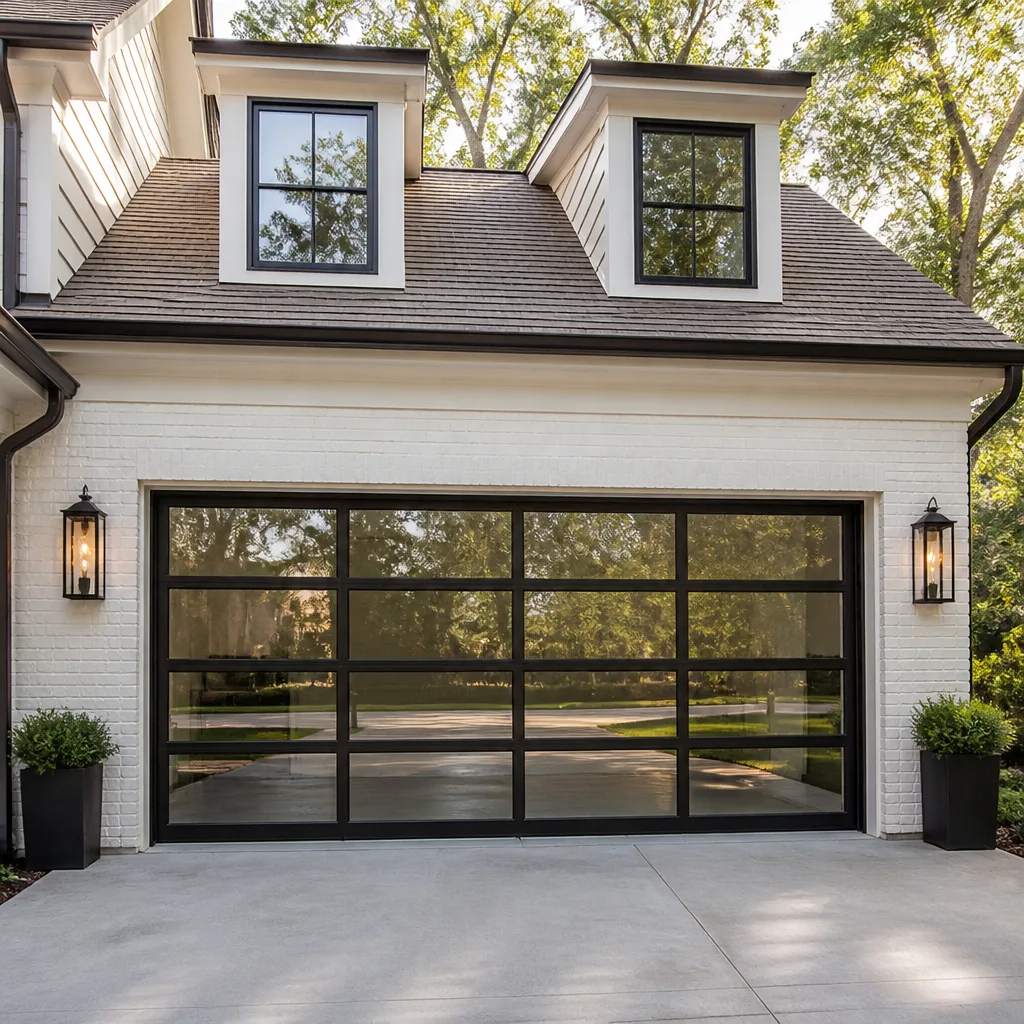 Full-view glass
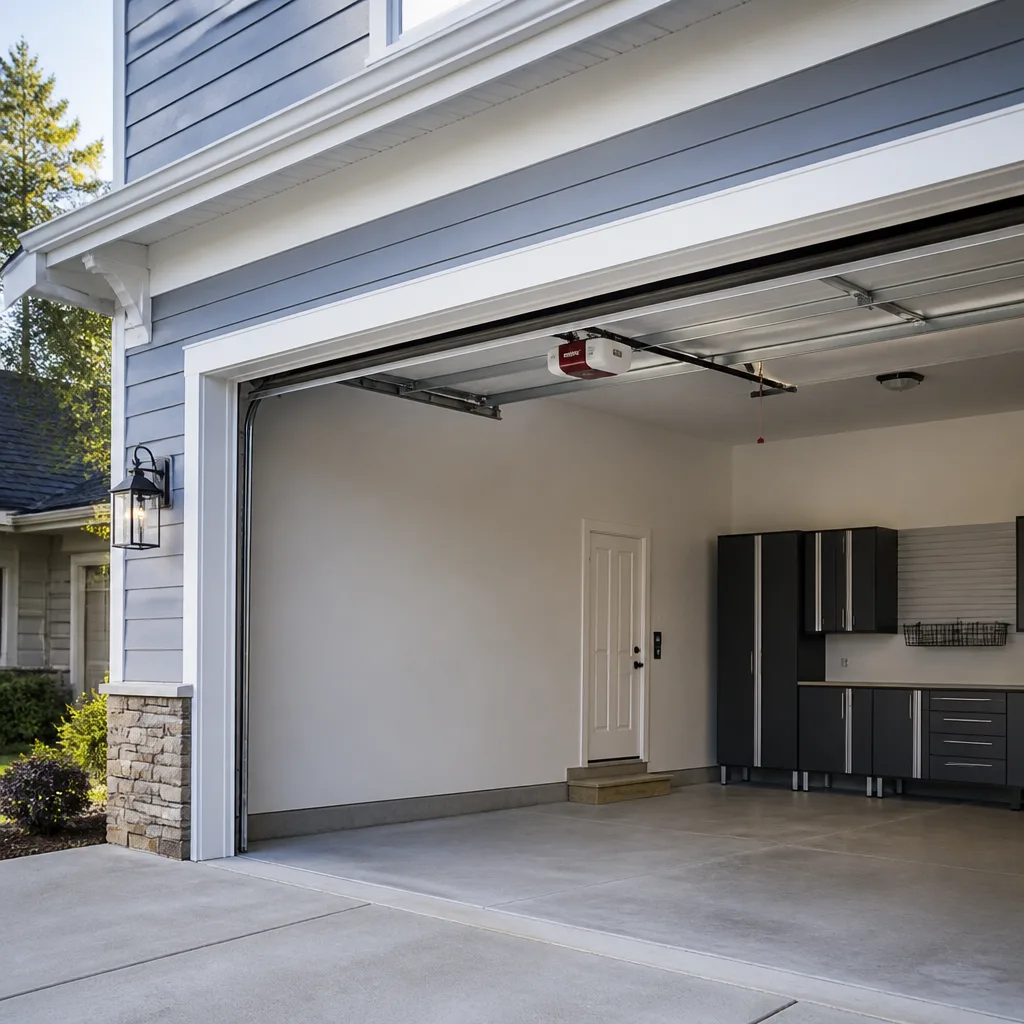 LiftMaster openers
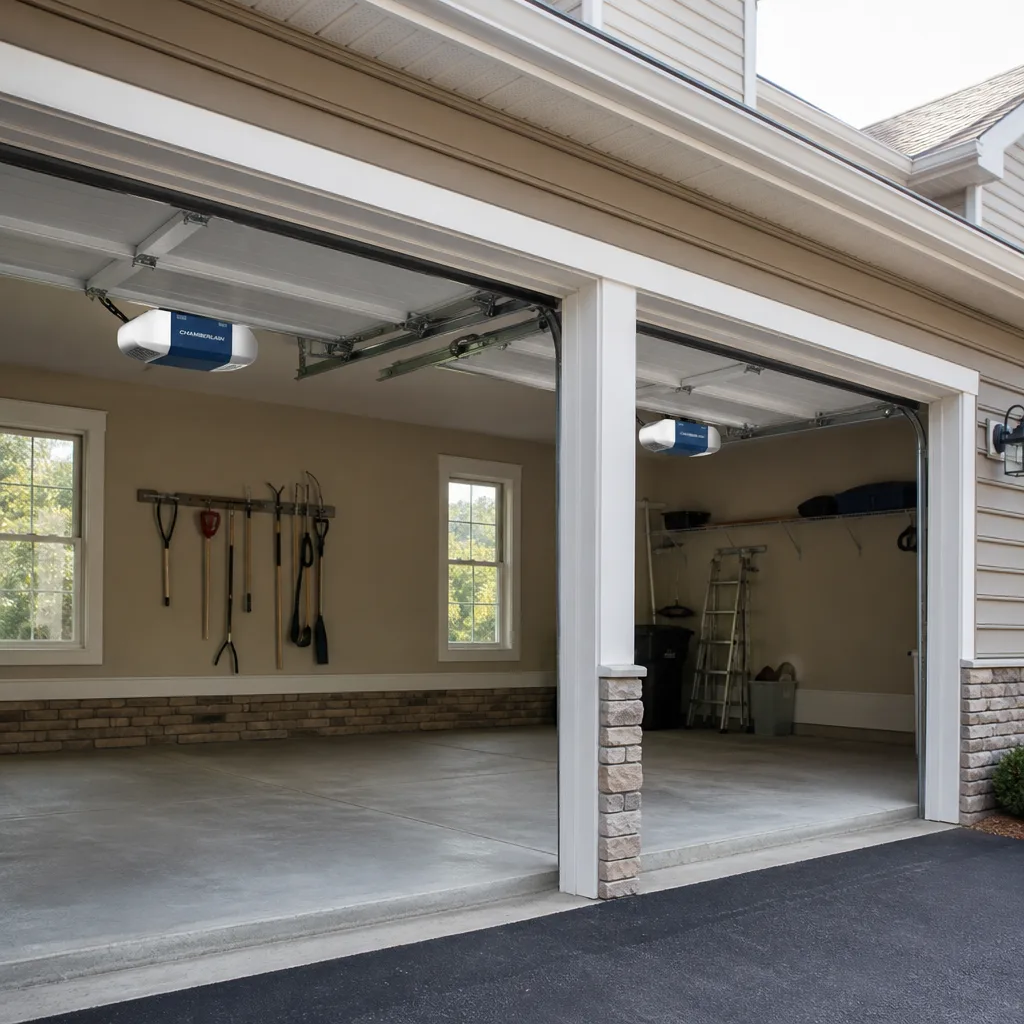 Chamberlain openers
Full 25-point door and opener safety check with every visit - springs, cables, rollers, tracks, and your LiftMaster or Chamberlain opener included
You get a price before we start. It does not change when the truck arrives.
Get your free estimateGarage Door Repair Maintenance Checklist for Fort Worth Homeowners
The number-one cause of premature garage door spring failure in North Texas isn’t age. It’s the wrong lubricant baked on by 105°F attic-level heat, and most national checklists still recommend that exact product. We’ve torn down hundreds of garage doors across Fort Worth, from Ryan Place bungalows to new-build communities in Walsh and Saratoga, and the failure patterns are consistent. This guide fixes the bad advice. You’ll get a month-by-month maintenance calendar tied to actual Fort Worth weather events, a rundown of which lubricants actually survive North Texas summers, the 60-second balance test that catches spring wear before it snaps, and an honest breakdown of what you can do yourself versus what needs a licensed pro. No fluff, no upsell padding, just the maintenance routine that keeps a Texas garage door running for 15 to 20 years instead of 7.
Styles & brands we work with
Quick Answer
A Fort Worth garage door needs monthly visual checks, quarterly lubrication with a Texas-heat-rated lubricant, and a twice-yearly balance test, plus specific prep before hail season in March and April and a winter freeze protocol for January and February. Most homeowners can handle about 20 minutes of maintenance every three months. The tasks that take a pro are spring replacement, cable work, and track realignment, and those need a written price before any wrench turns. We recommend calling a Fort Worth garage door technician at the first sign of a frayed cable or a door that feels heavy when you lift it manually.
Table of Contents
- Why Fort Worth Weather Destroys Garage Doors Differently
- The Month-by-Month Fort Worth Maintenance Calendar
- Which Lubricants Survive Texas Heat and Which Gum Up
- The 60-Second Manual Balance Test
- Common Hardware in Pulte, DR Horton, and Lennar Fort Worth Builds
- What to Maintain Yourself vs. What Needs a Pro
- Common Mistakes to Avoid
- When to Call a Professional
- Frequently Asked Questions
- The Bottom Line
Why Fort Worth Weather Destroys Garage Doors Differently
Fort Worth sits at the collision point of three weather systems: Gulf humidity pushing up from the south, dry heat baking in from West Texas, and Arctic fronts diving down the plains. That combination does things to a garage door that a homeowner in Ohio or Oregon never deals with. The metal components expand and contract across a 60-degree swing in a single February day. The humidity that hangs around 80% in May accelerates rust on hinges and rollers that never fully dry out. And the hail that rips through Tarrant County every spring doesn’t just dent the door panels, it also knocks the track alignment out by fractions of an inch, which puts uneven stress on the cables and springs.
A garage door in Fort Worth isn’t just opening and closing. It’s running through a thermal cycle every single day from June through September, when the garage interior can hit 120°F by 3 p.m. and drop to 85°F by midnight. That repeated expansion and contraction loosens bolts, thins lubricant, and fatigues metal faster than any other climate in the state except maybe El Paso. The maintenance checklist that works in Fort Worth has to account for that, not just tell you to “lubricate the moving parts.” That’s generic advice that ignores why those parts are failing in the first place.
The good news is that the right routine adds years to the door’s life. We’ve seen doors in the same Keller neighborhood built in the same year, one with an owner who did the Texas-specific maintenance and one who followed the generic national checklist. The difference at year eight was stark. One door ran quiet and balanced. The other needed a garage door spring repair in Fort Worth before the decade mark. The maintenance you’re about to read is the routine that produces the first door.
The Month-by-Month Fort Worth Maintenance Calendar
Here’s the maintenance schedule we use on our own homes in Fort Worth and recommend to every customer. Each task takes five to twenty minutes. Total annual time commitment is under three hours. That’s the cheapest insurance policy you’ll ever buy for a $1,500 to $4,000 door system.
January: Freeze Protocol
- Inspect the weather seal along the bottom of the door for cracks or gaps. A broken seal lets freezing air into the garage, which drops the temperature around the springs and can make the metal more brittle.
- Check the emergency release cord. If the door freezes to the ground, you need to know how to disconnect the opener and lift the door manually.
- Wipe down the tracks with a dry cloth. Don’t lubricate in January. Cold weather thickens most lubricants, making them gummy, which strains the opener.
February: Rust Inspection
- Examine every hinge, roller, and bracket for surface rust. Fort Worth’s winter humidity plus temperature swings creates condensation on metal parts.
- If you find rust, wire-brush it off and apply a rust-inhibiting spray, not a lubricant. Lubricant over rust just seals the moisture in.
- Check the cables where they attach to the bottom bracket. That’s the most common rust point on Texas doors. If you see fraying, call a technician. That cable is under enough tension to take a finger off.
March: Hail Season Prep
- Inspect the door panels for existing dents or loose sections. Hail doesn’t need a running start to do damage; a weakened panel fails faster when the first storm hits.
- Tighten every bolt you can see on the track brackets and hinges. A loose track plus 60 mph wind gusts equals a door off its rails.
- Run the balance test described below. You want the springs in perfect shape before storm season, because a door that’s even slightly off balance is far more vulnerable to hail impact.
April: Track Alignment
- With the door closed, stand inside the garage and look down each track. Both tracks should be perfectly vertical and parallel. Even a quarter-inch deviation causes uneven wear on rollers and cables.
- Check the gap between the door and the track on both sides. It should be even. If one side is tighter, the track took a hit, probably from a storm or a wayward SUV bumper.
- If the track is visibly bent or the gap is uneven, don’t try to bend it back yourself. That’s a job for a Garage Door Repair in Fort Worth technician with the right tools and a written price before work starts.
May through September: Summer Heat Protocol
- Run the balance test monthly during these five months. Heat accelerates spring fatigue. A spring that was fine in April can be weak by July.
- Listen to the door. A squeak in May that you ignore turns into a grinding sound in August and a snapped spring in September.
- Lubricate the hinges, rollers, and springs quarterly during this stretch with a summer-rated lubricant. Details in the next section.
- Check the opener’s auto-reverse function monthly. The heat can warp sensors and knock them slightly out of alignment.
October: Fall Service
- Complete a full inspection: springs, cables, hinges, rollers, tracks, opener belt or chain. Look at everything.
- Lubricate all moving parts one final time before the cold snap hits.
- Test the balance one final time before winter. If the springs are going to fail, you want to catch it in October at 70°F, not in January at 20°F.
November and December: Light Maintenance
- Check the weather seal again. Fall leaves and debris collect under the door and break down the rubber seal over time.
- Clean the photo-eye sensors with a dry cloth. Falling leaves and dust trigger false obstructions.
- Test the auto-reverse function one more time. Holiday season means more cars, more kids, more activity in the garage, and you want that safety feature working perfectly.
Which Lubricants Survive Texas Heat and Which Gum Up
Here’s the advice national checklists get wrong. They recommend white lithium grease or WD-40 for garage door maintenance. Both are bad choices for Fort Worth. White lithium grease bakes into a thick paste at 100°F and above, which gums up the rollers and makes the opener work harder. WD-40 is a solvent, not a lubricant. It strips away any existing lubricant and leaves the metal dry. In a Texas summer garage, dry metal grinds against dry metal. That’s how you burn out a $200 opener motor.
What actually works in North Texas heat are silicone-based and Teflon-based garage door lubricants. We recommend picking one of these and sticking with it:
- 3-IN-ONE Professional Garage Door Lubricant – a silicone-based spray that stays fluid up to 300°F. It’s the one we see work consistently on doors across Fort Worth, from Arlington Heights to Burleson.
- Blaster Garage Door Lubricant with Teflon – a Teflon-based spray that bonds to metal and resists wash-off during the humid May-through-June stretch.
- DuPont Teflon Silicone Lubricant – the heavier-duty option for doors with older rollers, or doors that sit in direct afternoon sun. Holds up in 120°F garages without breaking down.
Apply these to the hinges, rollers, and the torsion spring, the horizontal coil above your door that does most of the lifting. Spray a light coat, not a soaking. More lubricant is not better. Excess oil drips onto the door and collects dust, which turns into grit, which accelerates wear. One light pass per part, every three months, is plenty.
The 60-Second Manual Balance Test
The balance test is the single most useful maintenance tool a Fort Worth homeowner has, and it requires zero equipment. A balanced door stays in place when you lift it halfway and let go. An unbalanced door drops or shoots up. That imbalance means the springs are wearing out, and a broken spring is usually a $150 to $290 replacement. The test catches the wear before it becomes a snapped spring and a door that won’t open.
Here’s how to do it:
- Close the garage door completely.
- Pull the emergency release cord, usually a red rope hanging from the opener rail. This disconnects the door from the opener.
- Lift the door manually by the handle or the bottom edge. Lift it to about waist height, three to four feet off the ground.
- Let go slowly. Keep your hands near the door but not gripping it.
- Watch what happens. A balanced door stays at waist height, maybe drifting an inch or two. A door that drops more than a few inches has weak springs. A door that shoots upward has overly tight springs, which is just as bad.
- Reconnect the opener by pulling the release cord toward the door and running the opener until it re-engages.
Do this test every three months in Fort Worth, and monthly during the May-through-September heat stretch. If the door fails, don’t adjust the springs yourself. The torsion spring is under enough tension to remove fingers or break bones if it snaps during adjustment. Call a technician who does Garage Door Spring Repair in Fort Worth and get a written price before the work starts.
Common Hardware in Pulte, DR Horton, and Lennar Fort Worth Builds
If your home was built in the last 20 years in a Pulte, DR Horton, or Lennar community, your garage door probably came from one of three manufacturers: Clopay, Amarr, or Wayne Dalton. Each has its own maintenance quirks. Knowing which one you have saves you time and money. Look for the manufacturer name on a sticker on the inside of the door panel, usually near the bottom or on the edge.
Pulte and Lennar: Clopay Doors
Pulte and Lennar Fort Worth builds often ship with Clopay doors, which are solid and hold up well in Texas heat, but their plastic rollers are the weak point. The nylon bearings wear out in about five to seven years, and once they go, the door starts to chatter and vibrate. Replace them with steel-bearing nylon rollers, not the plastic ones. The upgrade costs about $40 per door and makes a noticeable difference in noise and smoothness.
DR Horton: Wayne Dalton and Amarr
DR Horton communities around Fort Worth, including the massive developments in Crowley and Saginaw, typically install Wayne Dalton or Amarr doors. Wayne Dalton’s TorqueMaster spring system is the quirk here. It’s a spring hidden inside a tube above the door, which makes it safer but harder to inspect. The standard balance test still works on it, but if the spring fails, you’ll need a technician who knows the TorqueMaster system, not just a standard torsion spring. Amarr doors are more conventional, but their hinges tend to loosen faster in Texas heat. Check the hinge bolts quarterly if you have an Amarr.
The OEM Opener Factor
All three builders typically install Chamberlain or LiftMaster openers. These are solid units, but they’re often the base model with plastic gears. In a Fort Worth summer garage, those plastic gears melt and strip faster than the metal gears on the mid-tier and higher models. If your opener gets noisy or slips, don’t replace the whole unit. A gear replacement runs $80 to $150 and gives the opener years more life. The company we work with is trained on eight major brands including LiftMaster, Chamberlain, Genie, Clopay, Amarr, Wayne Dalton, Craftsman, and Raynor, so whoever shows up already knows the specific door you have.
What to Maintain Yourself vs. What Needs a Pro
This is the honest breakdown. Some garage door tasks are safe and simple for a homeowner. Others are genuinely dangerous and not worth the risk. We’re telling you this as a Fort Worth company that makes money on repairs. If you can safely do it yourself, we want you to do it yourself. Here’s the line.
Safe to Do Yourself
- Lubricating hinges, rollers, and springs with a silicone or Teflon lubricant.
- Running the balance test.
- Tightening visible bolts on hinges and track brackets.
- Cleaning the photo-eye sensors.
- Testing the auto-reverse function.
- Inspecting the weather seal for cracks and replacing it if it’s a peel-and-stick type.
- Reprogramming the opener remote.
Leave to a Professional
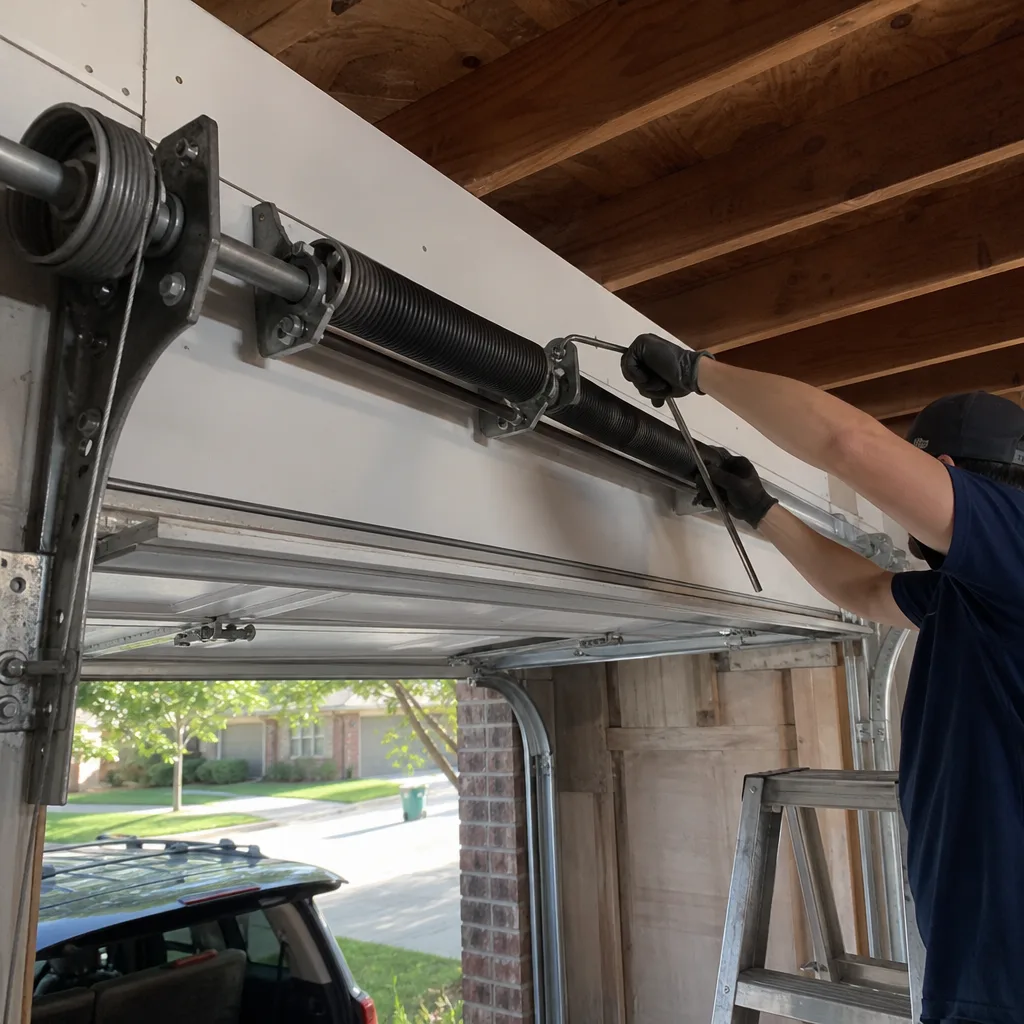
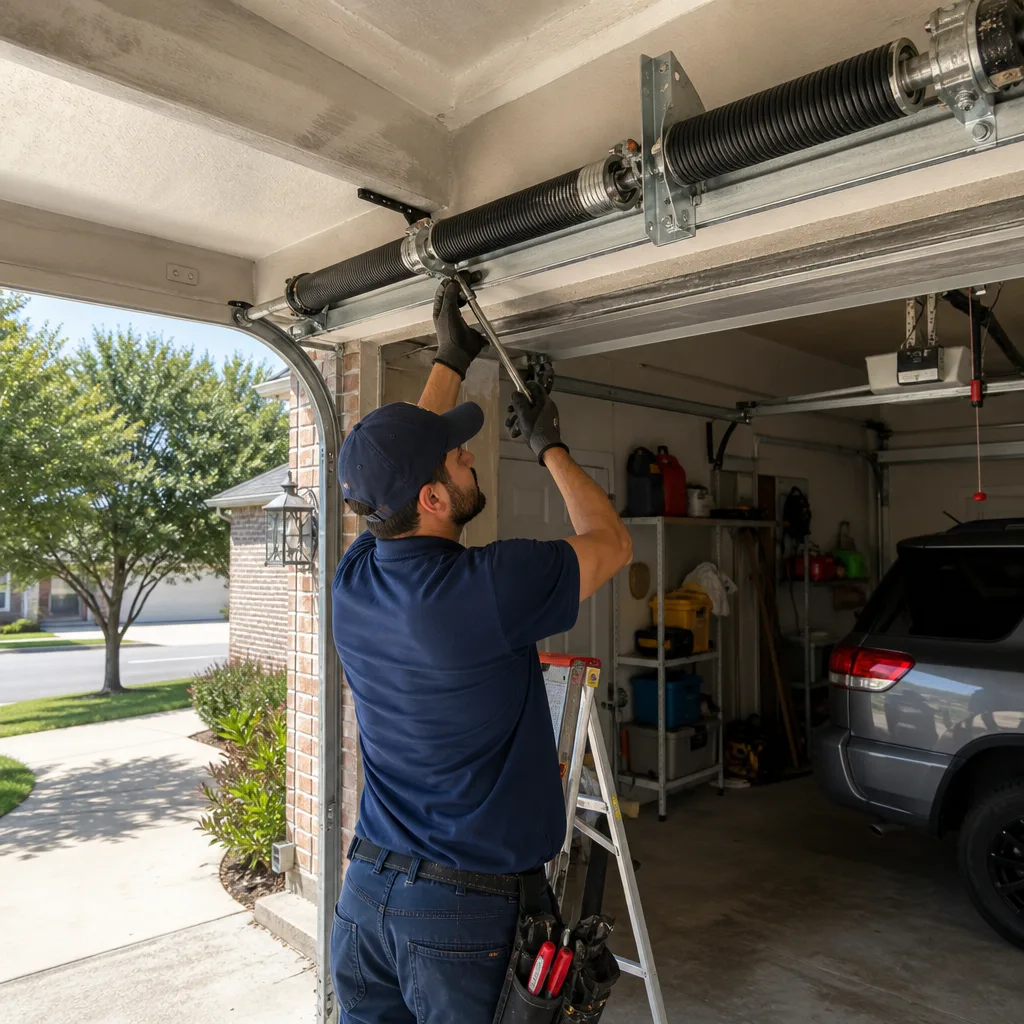
- Spring replacement. Torsion springs and extension springs are under hundreds of pounds of tension. A spring that lets go during a DIY repair can put you in the emergency room. This is the one we’re most adamant about.
- Cable repair. The cables connect the springs to the door and run through pulleys that can pinch or sever fingers. If a technician tells you cable work is DIY, find a different technician. Garage Door Cable Repair in Fort Worth is a specialized job with a real risk profile.
- Track realignment. A bent track needs to be pulled back to true with specific tools. If it’s not square, the door binds, the opener strains, and cables wear unevenly.
- Panel replacement. Swapping a dented panel seems straightforward, but each panel weighs 40 to 60 pounds, and the door has to be disassembled in a specific sequence or the whole thing comes down.
- Opener gear replacement. This one is borderline, but it requires disassembling the opener unit, and if you get the gear alignment wrong, you strip the new gear in a month.
The rule we tell customers: if the part moves under tension or supports the door’s weight, it’s a pro job. If it’s a visual check, a cleaning, or a bolt tightening, it’s yours.
Common Mistakes to Avoid
- Using WD-40 as a lubricant. It’s a solvent, which means it removes lubricant. After a WD-40 “maintenance session,” the door runs dry, and dry metal grinds itself apart in a Fort Worth summer. Use a silicone or Teflon spray instead.
- Lubricating the tracks. The tracks don’t need lubricant. The rollers ride inside them on bearings. Lubricant on the tracks just collects dust and grit, which wears the rollers faster. Wipe tracks clean, lubricate the roller bearings.
- Skipping the balance test because the door “seems fine.” A spring losing tension is quiet. The door opens because the opener compensates, and you don’t notice the extra strain until the spring snaps or the opener motor burns out. Test it quarterly.
- Ignoring a squeak because “it’s an old door.” A squeak means metal-on-metal contact somewhere, and in Texas heat, that contact point is wearing fast. Find the squeak and lubricate it or fix it before it becomes a grinding failure.
- Tightening a bolt until it “feels tight.” Over-tightening hinge bolts warps the hinge and throws the door out of alignment. Snug is tight enough. If you’re using two hands and grunting on a garage door bolt, stop.
- Attempting DIY spring replacement after watching a YouTube video. The video doesn’t show the part where the winding bar slips and the spring unwinds 250 pounds of force into someone’s face. We’ve seen the results. It’s not worth it. Spring replacement typically runs $150 to $290 depending on spring type, and you’ll see the exact number before we start. Pay the pro.
- Deferring maintenance until “it breaks.” A garage door is like a car. The people who wait for the breakdown pay more, and the breakdown always happens at the worst time, like 7 a.m. on a Monday when the door won’t open and the kids are late for school.
When to Call a Professional
Call a garage door professional the moment you see a frayed cable, a cracked or rusted spring, a door that drops hard during the balance test, or a track that’s visibly bent. Also call if the door won’t open, won’t close, or reverses for no apparent reason, because those symptoms can mean a failing sensor, a broken spring, or an opener on the way out. In our experience across Fort Worth, the homeowners who call at the first sign of trouble pay a few hundred dollars for a spring or cable. The ones who wait until the door comes off its rails pay for a full door realignment, and sometimes a new opener too. Marlow Garage Door Repair Fort Worth offers free estimates in Fort Worth, a written price before any work starts, and live phone support 24 hours a day, 7 days a week. Call (682) 432-0305 and a real person answers.
Frequently Asked Questions
Run the balance test and do a visual inspection every three months, with monthly balance checks during the May-through-September heat stretch. Lubricate the moving parts quarterly, and complete a full seasonal service in October before the cold sets in. Total time commitment is under three hours a year.
Use a silicone-based or Teflon-based garage door lubricant like 3-IN-ONE Professional, Blaster with Teflon, or DuPont Teflon Silicone. Avoid white lithium grease, which bakes into a paste above 100°F, and WD-40, which strips lubricant and leaves the metal dry. Both cause premature wear in Fort Worth’s summer heat.
Run the 60-second balance test. Disconnect the opener with the emergency release cord, lift the door to waist height, and let go. If it drops more than a few inches, the springs are weakening. A door that opens and closes but feels heavy or slams down also has spring issues. Call for garage door spring repair in Fort Worth before the spring snaps completely.
No. Torsion springs and extension springs are under hundreds of pounds of tension, and a spring that releases during a DIY repair can cause severe injury. Spring replacement typically costs $150 to $290 depending on the spring type, and a professional will quote that price in writing before work starts. This is one repair where the risk is never worth the savings.
Yes. Hail dents the panels and, more importantly, knocks the tracks out of alignment. A misaligned track puts uneven stress on the cables and springs, which shortens their lifespan. After a significant hailstorm in Fort Worth, run the balance test and check the track alignment, even if the door looks fine from the street.
The service call itself should be free. Most reputable Fort Worth garage door companies, including ours, offer free estimates and a written price before any work begins. The repair itself depends on what’s wrong: spring replacement runs $150 to $290, cable replacement runs $100 to $180, and a full track realignment runs $150 to $250. You’ll see the exact number before we start. Call (682) 432-0305 for a free estimate.
The Bottom Line
Fort Worth’s weather is brutal on garage doors, and the generic national maintenance checklists don’t account for it. The routine that actually works here is built around Texas realities: silicone lubricant instead of grease, quarterly balance tests with monthly checks during summer, hail season prep in March, freeze protocol in January, and a clear line between what you can do yourself and what needs a pro. If you do the maintenance in this guide, you’ll add five to ten years to your door’s life and avoid the expensive emergency repairs that hit the homeowners who skip it. If something looks wrong during your inspection, call us. We’re Jaylen Ross and the team at Marlow Garage Door Repair Fort Worth, we’ve been serving this city since 2002, and we’ll give you a written price before any work starts. Call (682) 432-0305 for a free estimate.
Written by Jaylen Ross, Owner at Marlow Garage Door Repair Fort Worth, serving Fort Worth since 2002.
See the difference
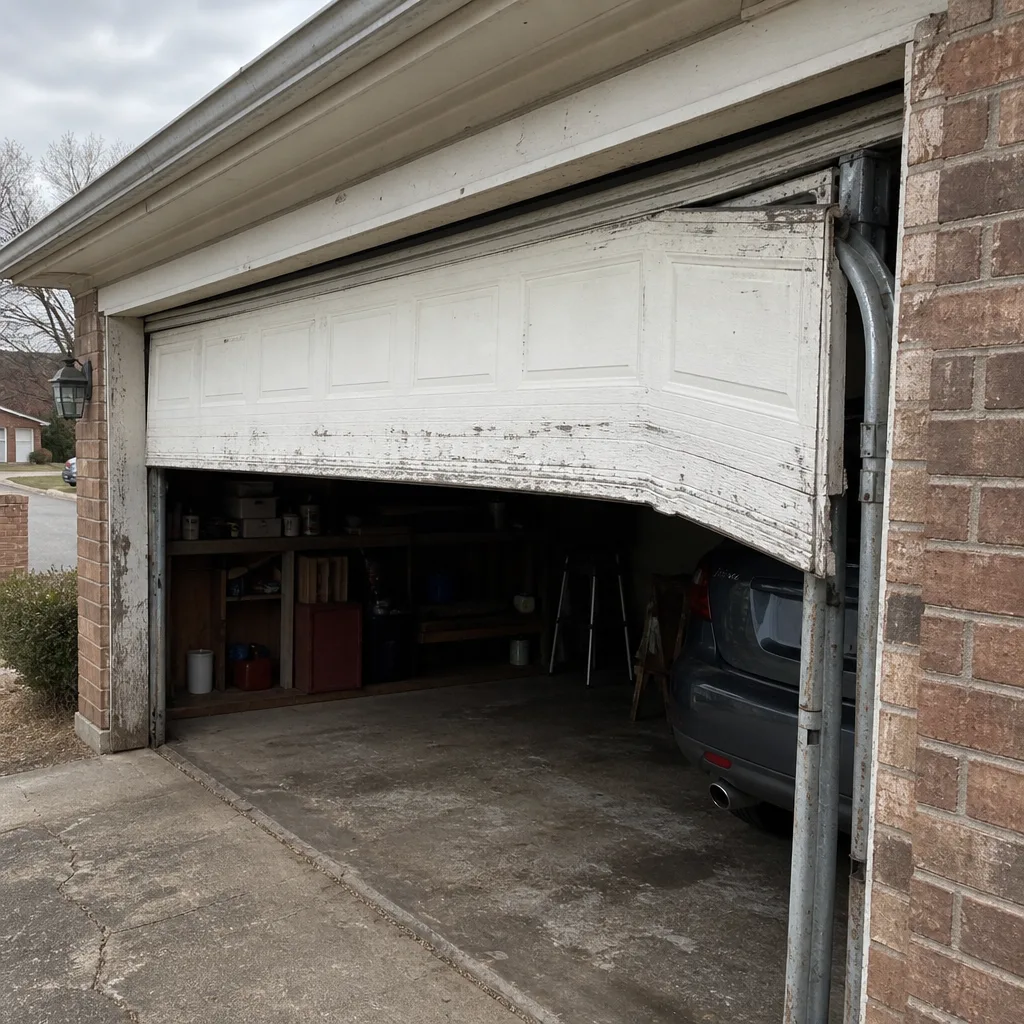 Before
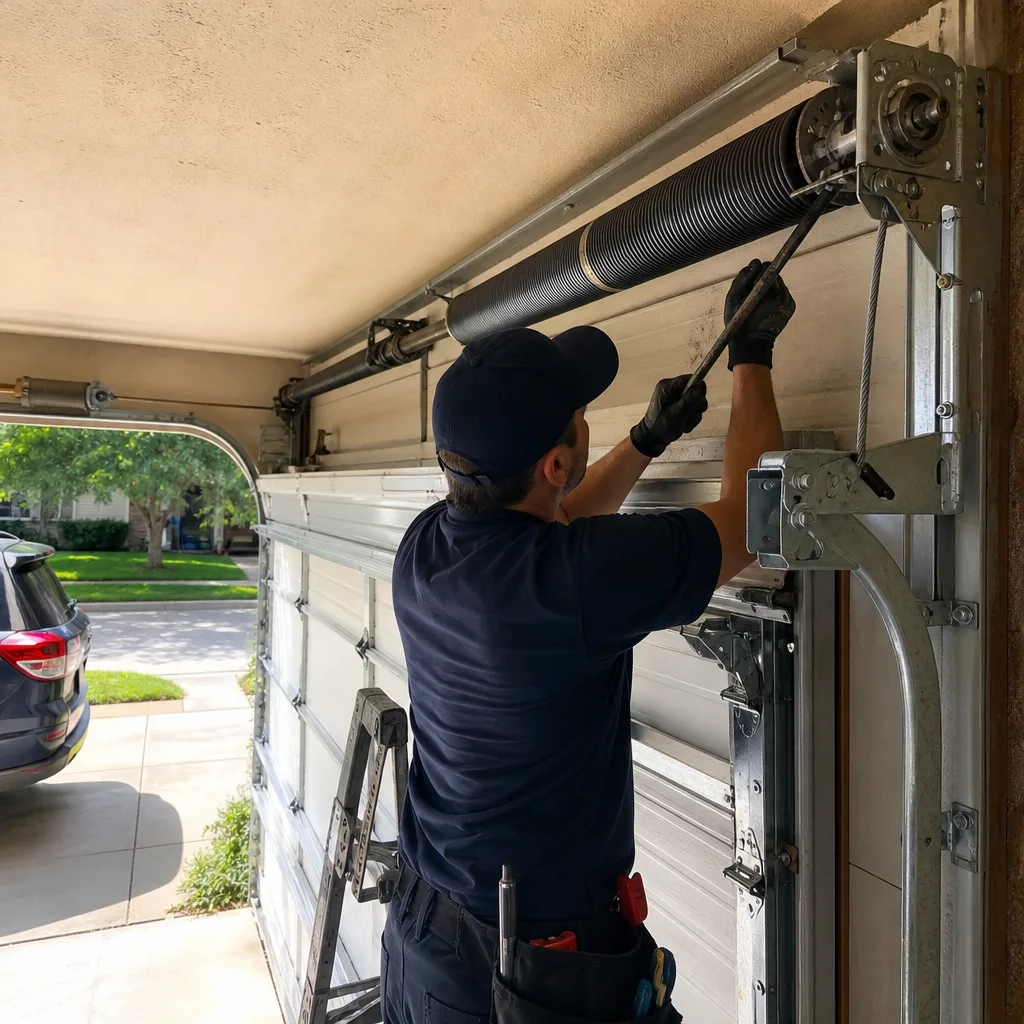 After
After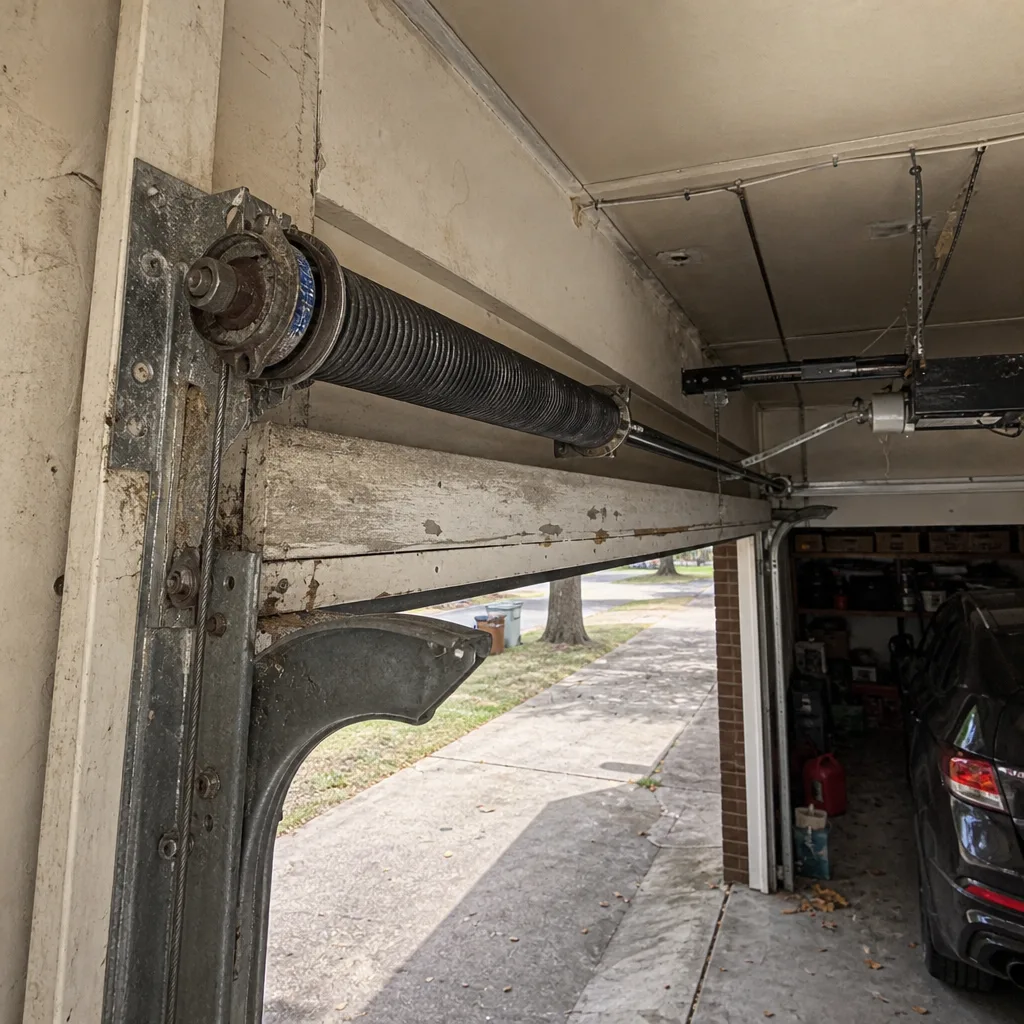 Before
 After
After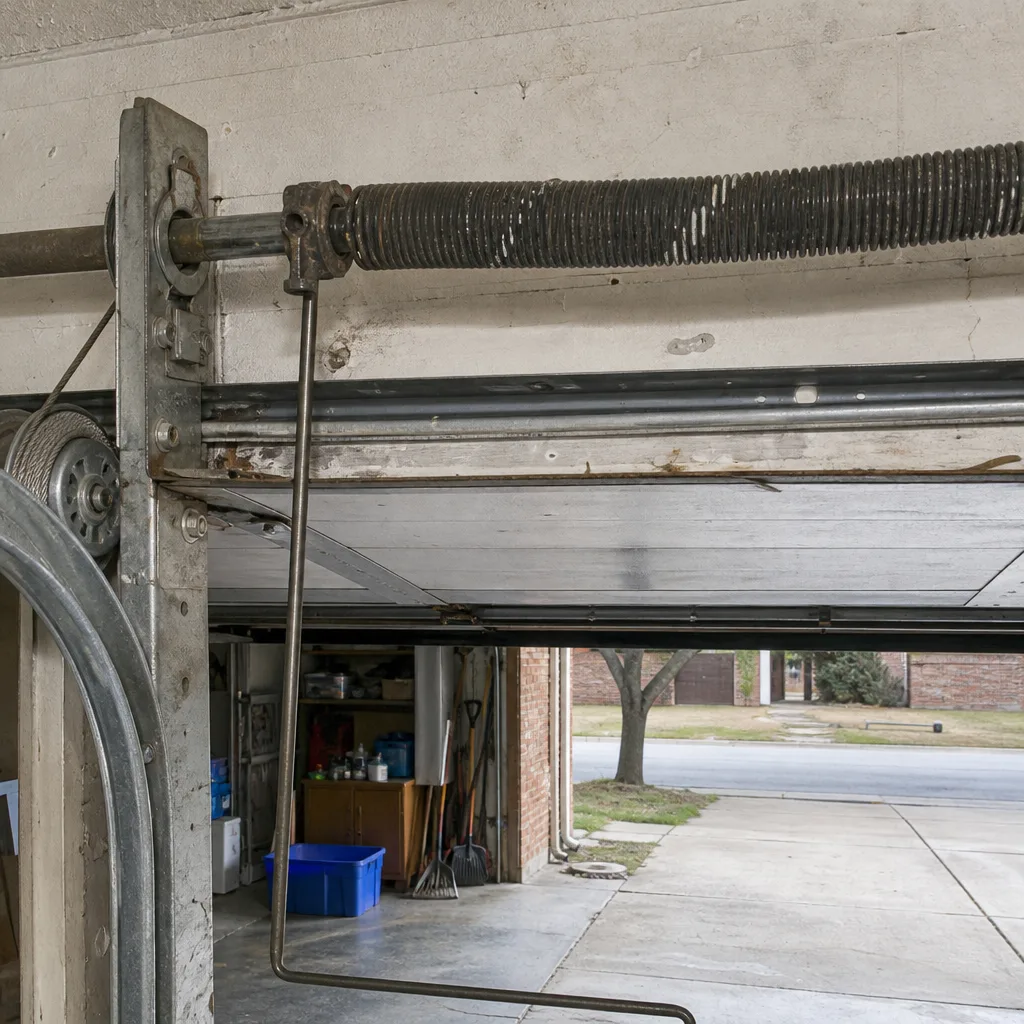 Before
 After
After